
BRAZIL · FISCAL POLICY
Celina Leão, governor of Brazil’s Federal District, which contains the capital Brasília, says a new federal fiscal bill could cut up to R$2 billion (about US$356 million at the Central Bank of Brazil’s PTAX rate of R$5.6143 per dollar on 12 November) from money sent to the district. The figure is her own estimate, and we could not confirm it independently.
The bill, PLP 299/2026, was filed in the Senate on Wednesday 11 November 2026 and changes the federal spending rules. The district receives a constitutional federal fund that helps pay for its police, firefighters, health and school services.
Key Facts
- Claim Governor Celina Leão says the bill may cut up to R$2 billion (about US$356 million).
- Status Not confirmed: the figure is her estimate, and we found no published calculation.
- Bill PLP 299/2026 was filed on 11 November 2026 and awaits a Senate decision on how it proceeds.
- Amendments More than 20 amendments were filed on 12 November, two by Brasília senator Damares Alves.
- Power Index Brazil ranks 1st of 14 in The Rio Times Latin America Power Index, with 74.2 points (November 2026 edition).
What the Governor Said
Leão, of the conservative PP (Progressistas) party, said the bill could reduce the funding sent to the Federal District by up to R$2 billion. “Locking the Fund hands the people of the Federal District a bill that the Constitution put on the Union,” she said, using “the Union” for the federal government.
She added that the gap does not disappear: either the district covers it from its own revenue, or security and public services go short. We found no published calculation behind the R$2 billion.
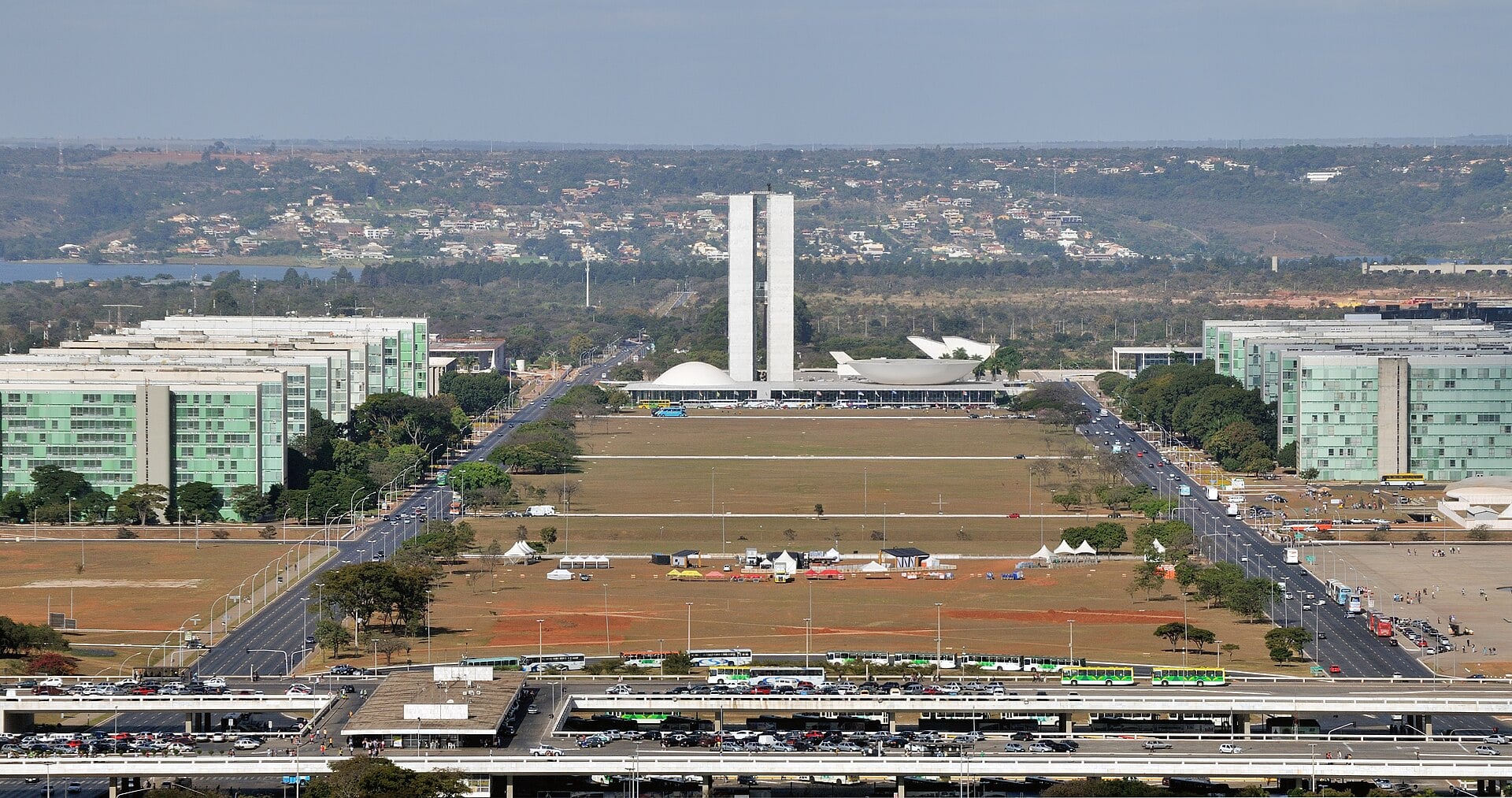
The Fund at the Centre of the Dispute
The Federal District Constitutional Fund, known as the FCDF, is money the federal government transfers to the district. Under the Constitution, Brasília’s police and fire services are the responsibility of the Union, as Brazil calls its federal government, and the federal government also gives financial help for public services.
The fund’s law extends that help to health and education. The fight is older than this bill.
Leão has already challenged article 14 before the Supreme Federal Court (STF) of Complementary Law 235/2026, a complementary law, a type of law that needs an absolute majority in Congress. She says article 14 puts a “double lock” on the fund when the federal budget is forecast to run a deficit.
Supreme Court Justice Cristiano Zanin is taking that case to the full court, and we found no ruling. The Senate’s Independent Fiscal Institution (IFI), its budget watchdog, estimates that one of article 14’s two restrictions could cost the district about R$1.8 billion (about US$321 million) in 2027, a different and lower figure than the R$2 billion tied to the new bill.
What Is in the Senate
PLP 299/2026 was filed by Senator Jaques Wagner, of the Workers’ Party, and amends Complementary Law 200/2023, the fiscal framework that caps federal spending growth. The Senate record shows a request to fast-track the bill (RQS 770/2026) still awaiting a decision, and no vote date shown.
Senators had filed more than 20 amendments to the floor text by Thursday 12 November, including two by Damares Alves, who represents the Federal District for the Republicanos party. We did not read the full bill text, so we cannot say which clause would affect the fund.
What It Means for You
For investors, the bill amends the federal spending-limit law. The size of any carve-out for the Federal District will not be known until the Senate decides.
For residents of Brasília, the governor warns that security and public services would go short if the district cannot cover a gap. Nothing in the Senate record yet changes the fund.
What Is Not Known
The method behind the R$2 billion estimate is not public, and neither is the year it refers to. It is also open which clause of the bill would affect the fund, and whether the Senate will vote this week or later.
Related Coverage
See our report on the federal savings bill for 2027 and our explainer on Brasília. More in our Brazil coverage.
Frequently Asked Questions
How much could Brasília lose under the new bill?
Governor Celina Leão says up to R$2 billion (about US$356 million). That is her own estimate, and no calculation has been published.
What is the FCDF?
It is the Federal District Constitutional Fund, a federal transfer: money the federal government transfers to the district for its police, fire service, health and education.
What is PLP 299/2026?
It is a complementary bill filed in the Senate on 11 November 2026 that amends the fiscal framework law of 2023.
Has the Senate voted on it?
No vote date is shown. The Senate record on 12 November showed a fast-track request pending and more than 20 amendments filed.
Sources: Federal Senate open data, process PLP 299/2026 (filed 11 November 2026) and its amendments, read 12 November 2026; Complementary Law 235/2026; statements of Governor Celina Leão; Central Bank of Brazil PTAX (official dollar rate) of 12 November 2026.
This article was produced by The Rio Times’ automated AI newsroom. Editorial responsibility: Matthias Camenzind, Publisher and Editor-in-Chief. The Rio Times also runs Ask Rio Times, which answers from 100,000+ of our own articles, the daily Latin America Power Map, and prediction-market odds on elections and markets.. How we use AI · Report an error
Living in or visiting Brasília? See this month's events and our Brasília city guide with rents, safety and upcoming concerts.
Brazil runoff, Sunday, October 25: When is the Brazil runoff election. Latest: Brazil runoff polls, Flávio 51%, Lula 49%.