Bolsonaro’s Fate Hangs on Final Week of Supreme Court Coup Conspiracy Trial
Brazil’s Supreme Federal Court on Tuesday began the decisive stage of former President Jair Bolsonaro’s trial over an alleged plot to overturn the 2022 election.
Justice Alexandre de Moraes, the case’s rapporteur, delivered a lengthy vote naming Bolsonaro the leader of a “criminal organization” and recommending decades of prison time if convicted.
Bolsonaro and seven former aides face charges of attempted coup, violent abolition of the democratic rule of law, armed criminal organization, and destruction of protected property.
The case links them to efforts to remain in power after the 2022 vote and to the January 8, 2023 attack on Congress, the Supreme Court, and the Presidential Palace.
Inside the Court, Moraes rejected all defense motions, including efforts to void the plea testimony of Mauro Cid, Bolsonaro’s former aide. He ruled the evidence valid and accused defense teams of acting in bad faith.
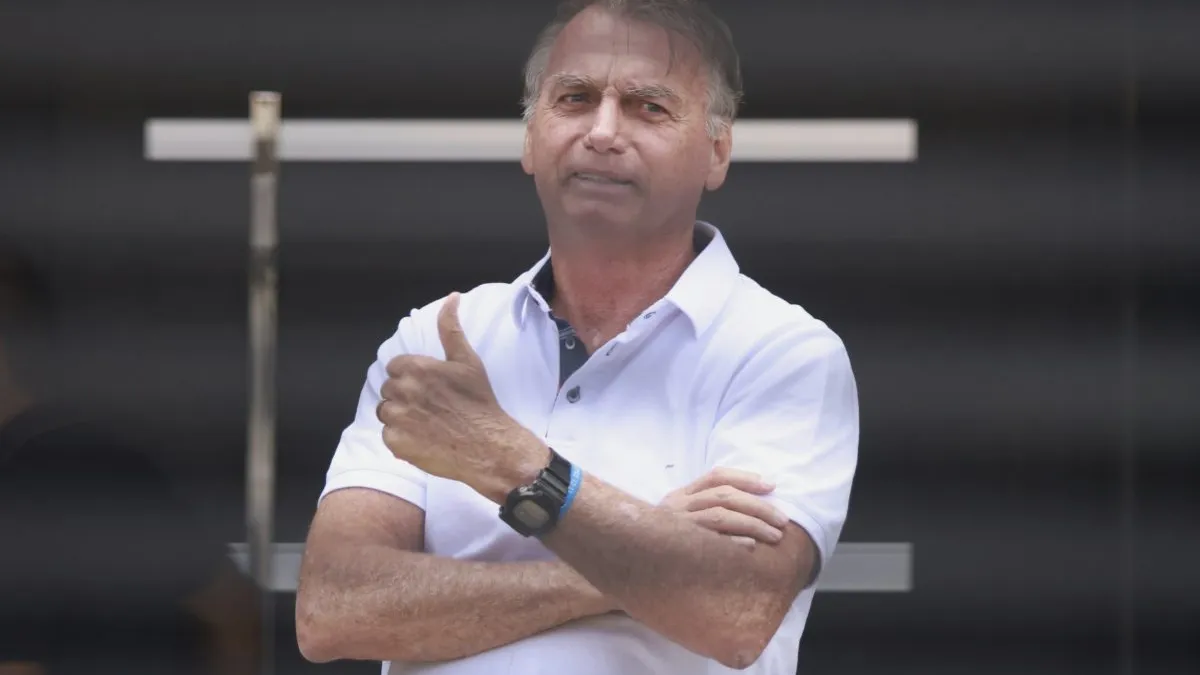
He then cited notes from General Augusto Heleno outlining what he described as a “coup agenda,” phone records from ex-intelligence director Alexandre Ramagem planning disinformation campaigns, and Bolsonaro’s own remarks in 2021 that he would only leave office “dead or in prison.”
Brazilian media framed the day along sharply different lines.
Center-left outlets such as Folha de S.Paulo and O Globo stressed the historical weight of Moraes’s vote, calling it the most forceful step yet against a former president.
They highlighted the proposed sentence of over 40 years as unprecedented in Brazil’s democracy. Right-leaning outlets such as Jovem Pan News and Gazeta do Povo focused on Bolsonaro’s defense strategy and criticized what they described as “judicial overreach.”
Their coverage emphasized Moraes’s sweeping powers and questioned whether a single justice should dominate the process. They also gave space to Bolsonaro’s allies in Congress who argue that the trial criminalizes political acts and fuels polarization.
Reactions followed quickly. Opposition deputies renewed calls for an amnesty covering January 8 convictions, while São Paulo Governor Tarcísio de Freitas called Moraes a “tyrant.”
The government pushed back, with President Luiz Inácio Lula da Silva insisting that accountability must prevail and ruling-party leaders warning that amnesty would be unconstitutional.
The five-member panel will continue voting through the week, with a final verdict expected by Friday. Three votes are sufficient for conviction.
Regardless of the outcome, the trial has already become a defining moment for Brazil’s democracy, highlighting not only the Court’s central role but also how polarized the country remains in interpreting it.
More: Brazil news in English, every day from The Rio Times.
This article was produced by The Rio Times’ automated newsroom system. How we use AI · Report an error
Read More from The Rio Times