Argentina’s Gas Gamble: Beating Brazil’s $10 Price Ceiling
TotalEnergies recently confirmed what industry insiders already knew: Argentine gas must reach Brazil below $10 per million BTU to compete, based on direct official statements and public company disclosures.
This number matters because Brazil’s domestic gas often sells for $11 to $14 per million BTU, while LNG imports from abroad cost even more—$12 to $16—thanks to global market turbulence and shipping costs.
Bolivia, which also supplies gas to Brazil, charges $6 to $7 at the border but, after transport and fees, Brazilian buyers pay nearly $12.
This means Argentina faces intense price pressure if it wants a share of Brazil’s demand, which is high due to falling domestic supply and growing industrial needs.
Argentina’s Vaca Muerta field holds massive gas reserves, but distance and complex transit agreements create a business hurdle. TotalEnergies and other firms have already tested cross-border flows using Bolivian pipelines, proving transport is possible.
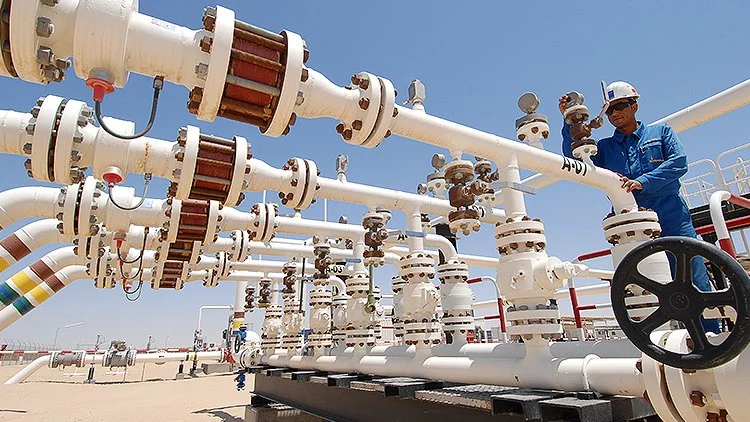
Yet, the real obstacles are regional tariffs, infrastructure costs, and the challenge of signing long-term deals that make sense for all sides.
Argentina must build more pipelines, negotiate lower transit fees with neighbors, and guarantee stable deliveries. Any slip—tariffs rise, infrastructure lags, or supply falters—could push delivered prices beyond Brazil’s $10 limit, killing the deal.
The story behind the story is about South America’s search for energy independence. Brazil wants reliable gas to fuel its economy without relying on volatile global LNG markets.
Argentina needs export revenue and a way to tap Vaca Muerta’s potential. Both countries avoid grand globalist visions and focus, instead, on the mercantile bottom line: who can deliver the best price, with the least risk.
If Argentina succeeds, it could ease Brazil’s energy crunch and give its own struggling economy a boost. If not, Brazil will keep looking elsewhere.
More: Argentina news in English, every day from The Rio Times.
This article was drafted with automated assistance and reviewed before publication. How we use AI · Report an error
Read More from The Rio Times