Bolivia Mining Code Clash: Co-ops vs. Workers in Court Fight
Bolivia · Politics
Key Facts
—Event The Cumbre Nacional Minera 2026 took place in La Paz from July 22 to 24, 2026.
—Main Proposal Delegates proposed creating a specialized ‘Sala Minera’ tribunal within the ordinary justice system.
—Legal Goal The summit aimed to gather consensus for a new Bolivia mining code to replace outdated sector regulations.
—Key Tension Cooperative miners pushed for preferential treatment and more areas, while salaried workers demanded stricter rules.
—Environmental Focus Discussions included a progressive substitution of mercury with cleaner technologies.
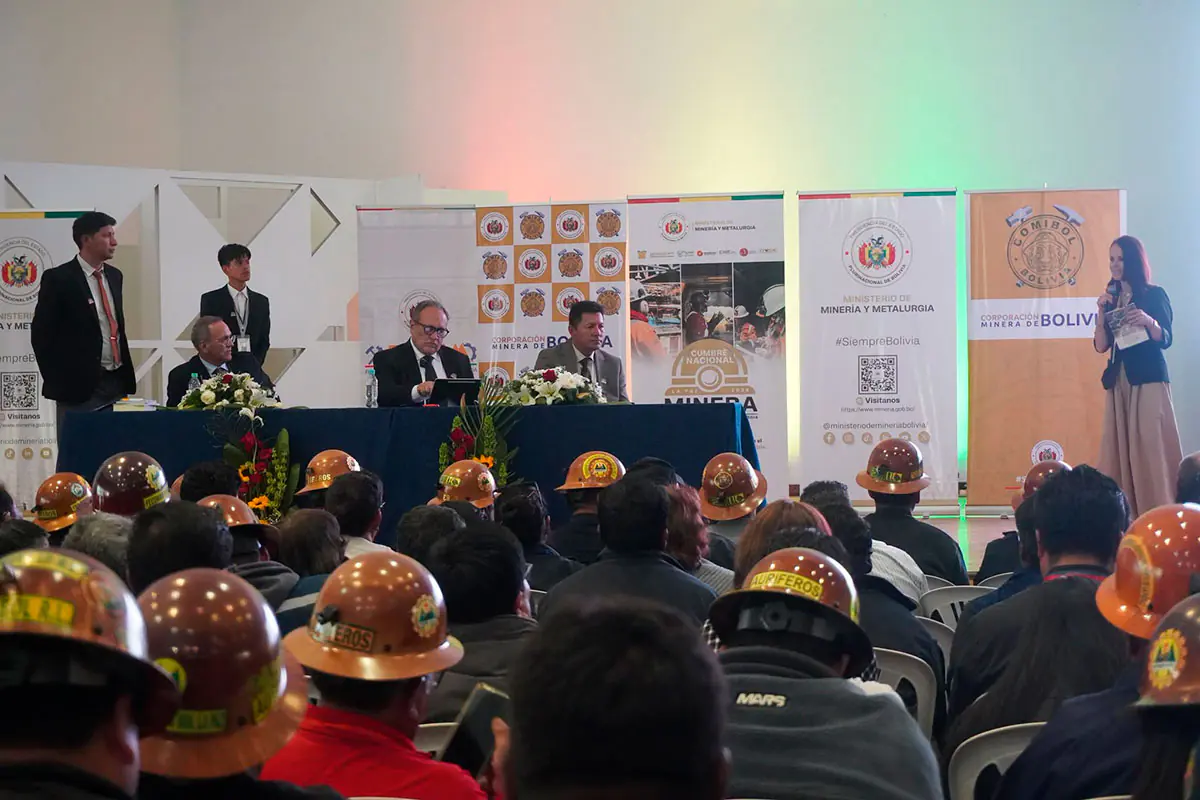
Delegates at Bolivia’s National Mining Summit have proposed creating a specialized judicial tribunal and drafting a new Bolivia mining code to strengthen legal security and combat rampant illegal mining. The three-day Cumbre Nacional Minera 2026, held in La Paz from July 22 to 24, brought together state officials, private companies, and powerful mining cooperatives to shape the future of one of South America’s most contentious extractive industries.
A Specialized ‘Sala Minera’ Tribunal
The flagship proposal from the summit is the creation of a ‘Sala Minera,’ a specialized chamber within Bolivia’s ordinary justice system. Proponents argue this tribunal would handle mining-related cases with greater efficiency.
Its primary target is illegal mining, with a mandate to strengthen oversight, control, and the legal framework against unlicensed operations.
For a foreign reader, it helps to understand that Bolivia’s ordinary justice system has long struggled with case backlogs and limited technical expertise in complex extractive disputes. A dedicated chamber would, in theory, concentrate know-how in one place.
The term ‘avasallamientos’ — the land invasions mentioned in the summit debates — refers to a chronic problem where armed groups seize mining concessions, often with impunity, because local courts lack the capacity or will to enforce property rights swiftly.
Drafting a New Legal Framework
The summit did not aim to pass a law immediately. According to state news agency ABI, the objective was to collect and systematize proposals for future legislation.
The current push seeks to update Bolivia’s mining code or create entirely new sectoral regulations. Organizers want a framework that guarantees legal security, promotes investments, and orders mining activity under clearer rules.
This matters beyond La Paz because Bolivia sits on vast mineral reserves — including lithium, tin, silver, and gold — yet foreign investors frequently cite regulatory unpredictability as a barrier. A modern code could signal that the country is ready to compete for capital that might otherwise flow to neighboring Peru or Chile.
Still, the path from summit consensus to enacted law is long. The Plurinational Legislative Assembly must debate any bill, and Bolivia’s political landscape is famously fragmented, with strong regional and sectoral veto players.
Deep Divides Between Cooperatives and Salaried Workers
The summit exposed sharp political tensions within Bolivia’s mining sector. Cooperative miners, who wield significant political influence, pushed aggressively for access to more mining areas and a differentiated legal treatment that recognizes their unique organizational structure.
They seek a framework that favors their expansion and autonomy.
On the other side, salaried workers employed by private and state-owned firms demanded stricter rules to level the playing field. This is not a new friction.
Mining cooperatives in Bolivia are not small informal groups; they are large, often politically allied blocs that have at times clashed violently with state forces and private operations. Any new Bolivia mining code will have to navigate this divide, and the risk is that the final text satisfies neither camp, leaving the underlying conflicts unresolved.
The Fight Against Illegal Mining
Illegal mining remains one of Bolivia’s most urgent sectoral probleMs The proposed Sala Minera is a direct institutional response to this crisis. By creating a dedicated judicial body, authorities hope to accelerate prosecutions and dismantle criminal networks that operate outside the formal system.
The debate over land invasions and the stability of mining rights took center stage throughout the summit.
Illegal operations are often linked to mercury contamination, deforestation, and even human trafficking in remote regions. A specialized tribunal could, in principle, coordinate better with environmental and police agencies.
However, the effectiveness of such a chamber will depend on whether it receives adequate funding, trained judges, and political backing — all open questions as the proposal moves from summit floor to legislative drafting table.
Environmental Transition and Investment Incentives
Beyond legal reforms, the summit agenda included a transition toward more sustainable mining practices. A key proposal is the progressive substitution of mercury with cleaner technologies, particularly in small-scale and cooperative gold mining. This aligns with international environmental standards and could open doors for green financing.
Mercury use in artisanal gold mining is a continent-wide challenge, and Bolivia’s willingness to address it in a formal summit signals an awareness that environmental reputation now affects access to global markets. The phrase “progressive substitution” suggests a phased approach, likely to avoid abrupt economic disruption for thousands of small-scale miners who depend on the metal.
What remains to be seen is whether the final code includes enforceable timelines and technical assistance programs, or whether the language stays aspirational.
Next Steps for the Bolivia Mining Code
With the summit concluded, the Ministry of Mining now faces the complex task of translating three days of debate into coherent draft legislation. The systematized proposals will form the backbone of a future bill to be presented to the Plurinational Legislative Assembly.
No timeline has been set for the draft’s completion.
Observers will be watching several signals in the coming months. Will the cooperative sector’s demands for preferential areas survive the drafting process intact, or will the government seek a compromise that also addresses salaried workers’ calls for stricter oversight?
Can the Sala Minera proposal secure the constitutional and budgetary backing it needs to become more than a summit declaration? And will the mercury substitution plan come with concrete support for miners who need to buy new equipment?
The answers will determine whether the Cumbre Nacional Minera 2026 is remembered as a genuine turning point or merely another round of talks in a sector accustomed to unresolved tension.
Frequently Asked Questions
What is the Sala Minera proposed at Bolivia’s mining summit?
The Sala Minera is a proposed specialized judicial chamber within Bolivia’s ordinary courts. It would handle mining-related cases, focusing on combating illegal mining, resolving concession disputes, and addressing land invasions known locally as ‘avasallamientos.’
Who participated in the Cumbre Nacional Minera 2026?
The summit convened the State, private mining companies, mining cooperatives, small-scale miners, new ventures, industry professionals, and former ministers. The Ministry of Mining and Metallurgy organized the inclusive event to gather broad consensus for a new legal framework.
When will Bolivia’s new mining code be approved?
No approval date has been set. The July 2026 summit was designed to collect and systematize proposals, not to pass a law.
The Ministry of Mining will now draft legislation based on summit consensus, which must then be debated and approved by the Plurinational Legislative Assembly.
Read More from The Rio Times