Bolivia Votes Today for Change as Economy Stumbles and Old Alliances Collapse
Bolivia holds one of its most decisive elections in years on August 17, 2025, as nearly eight million voters cast ballots to choose a new president and parliament.
The country stands at a crossroads, with official government and international figures revealing deep economic troubles and a political landscape unlike any since 2006.
Government data shows inflation hit 24.8% in July, the highest in decades. People queue for hours for fuel and food because state-run gas exports plunged to less than a third of what they were a decade ago.
National reserves now sit below $1.6 billion, a steep drop from more than $15 billion ten years ago, according to public financial records and the National Bank.
As daily life gets harder, Bolivian families and businesses see prices jump, savings lose value, and basic products disappear.
The once-dominant Movement for Socialism party is in chaos after its leader, Evo Morales, was barred from running by the top court.
His supporters took to the streets when his disqualification was announced, and authorities confirmed several deaths amid protest clashes in June.
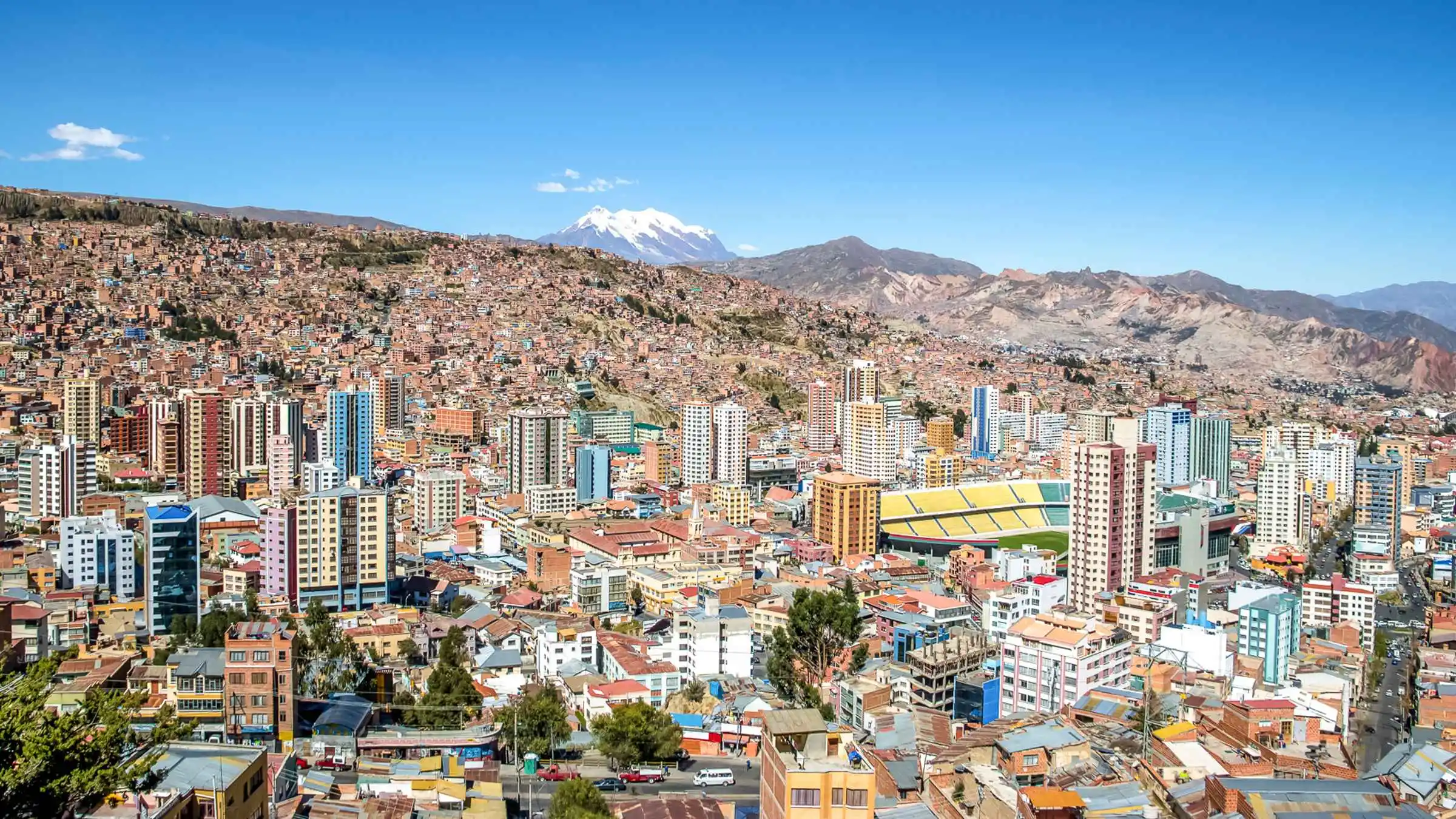
By August, official polling showed the left split and struggling, with longtime rivals Samuel Doria Medina and former president Jorge Quiroga both leading the race, each polling only around 20–25%.
No one looks set to win outright, making a second-round vote in October almost certain.
Bolivia Votes Today for Change as Ecobonomy Stumbles and Old Alliances Collapse
Candidates offer competing solutions, but both Medina and Quiroga propose ending heavy state controls on trade and opening the market for foreign investors.
Their platforms promise tough reforms, including spending cuts and a roll-back of fuel subsidies, in line with recent recommendations from the International Monetary Fund.
Both say change is needed to stabilize prices and ensure goods arrive at stores, even if it means hardship first.
Bolivia’s Deepening Crisis: Are We Seeing the Start of a Civil War?
Bolivia’s outcome matters to more than just its own citizens. Gas exports fuel power grids in Argentina and Brazil, while the global race for lithium—from Bolivia’s huge salt flats—draws industry attention from around the world.
If Bolivia cannot deliver stability, those supply chains may feel the pinch too.
Election officials warn that the paper-ballot count could be slow, sometimes disputed, further complicating a fraught political moment.
The next Bolivian government faces the challenge of restoring public trust and rescuing an economy on edge. This election’s story, however, runs deeper than power shifting from left to right.
It shows what happens when an economic crisis breaks long-standing alliances and forces voters to reconsider who can deliver security, jobs, and opportunity—inside Bolivia and far beyond its borders.
More: Bolivia news in English, every day from The Rio Times.
This article was produced by The Rio Times’ automated newsroom system. How we use AI · Report an error · Editorial responsibility: Matthias Camenzind, Editor-in-Chief
In depth