SOUTH AFRICA · TRAVEL GUIDE
South Africa has no single best season, because the Cape, the Highveld and the safari bush each follow their own weather.
For most Americans, the best time to visit South Africa is October to April for Cape Town and the coast, and May to September for a Kruger safari. The seasons run opposite to the northern hemisphere, so December is high summer.
The country’s weather splits by region, not by month alone. Pick the place first, then the season.
Key Facts
- —The short answer October to April is warm for most trips; May to September is best for safari.
- —The catch Seasons are reversed: it is spring now, and Cape Town’s rainy season is June to August.
- —The split Cape Town gets winter rain; Johannesburg, Durban and Kruger get summer rain.
- —The wildlife Whales peak off Hermanus in September and October; Kruger game viewing is best in the dry winter.
- —The entry Americans need no visa for up to 90 days, but need blank passport pages.
In plain English
Highveld is the high inland plateau around Johannesburg. Fynbos is the shrubland of the Cape, famous for its wildflowers. SANParks is the state agency that runs national parks such as Kruger. Game viewing means watching wildlife from a vehicle.
Seasons Are Reversed
South Africa lies in the southern hemisphere, so summer runs from roughly December to February and winter from June to August. Late October, when this guide is published, is spring.
Most of the country gets its rain in summer. The south-western Cape is the exception, with rain in winter.
That one difference explains most travel advice. A July trip can mean cold rain in Cape Town and dry, sunny days a short flight away in Kruger.
Cape Town and the Western Cape
Cape Town is dry and warm from late spring to early autumn. December to February is the most popular time, with warm, sunny days that suit beaches and the Garden Route coast.
That popularity has a cost, because flights and hotels are busiest in those months. October and March are often better value, with comfortable weather and fewer visitors.
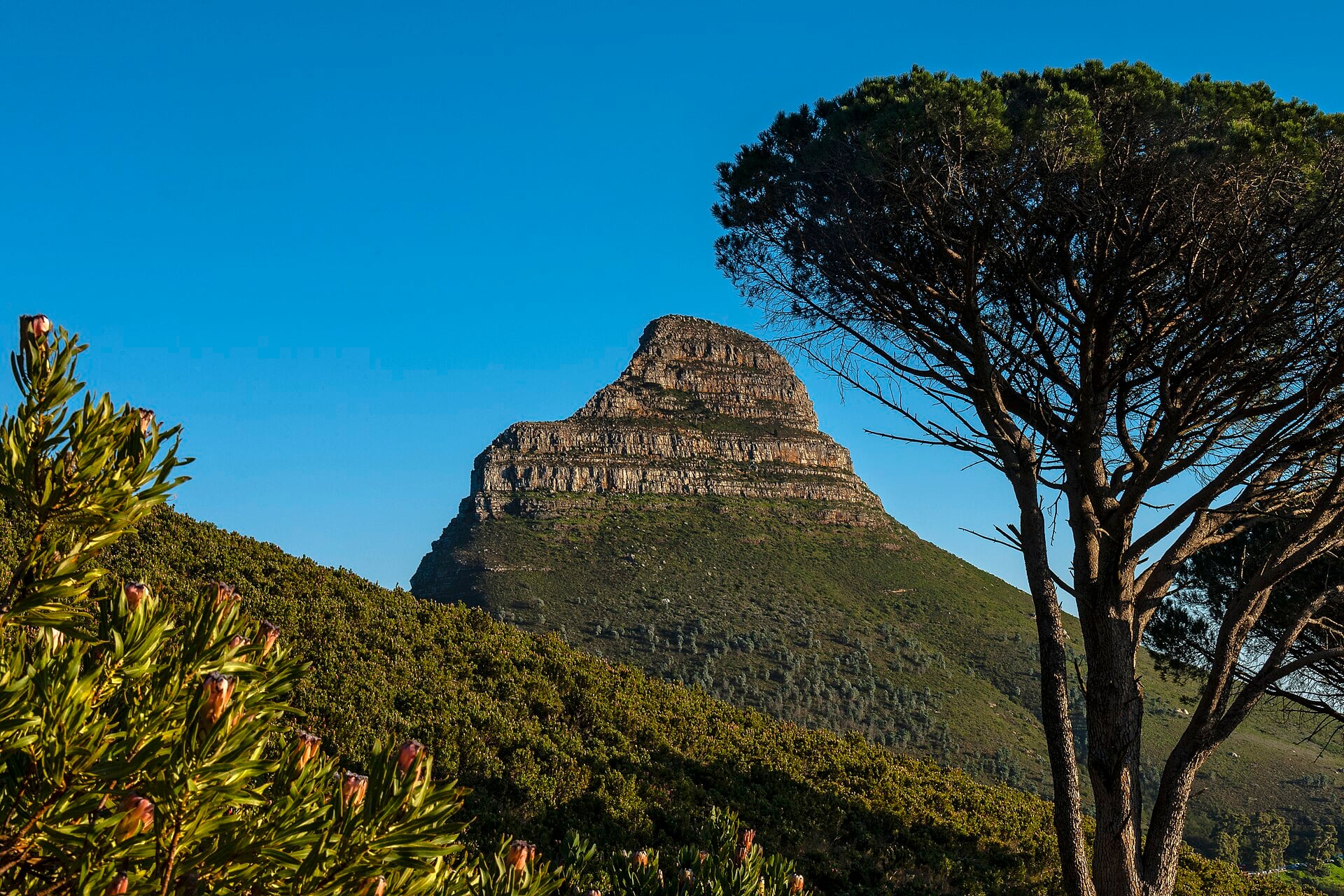
Winter, from June to August, brings the Cape’s rain and cold fronts. It is a fair season for wine country and museums, but a poor one for hiking Table Mountain.
Spring, from September to November, is a quiet favourite. The Cape is mild, whale watching is at its best, and the west coast wildflowers peak in August and September.
Allow for travel time as well. South Africa is large, so a Cape Town to Kruger trip usually means a domestic flight rather than a drive, and it is worth fixing your dates around the region that matters most to you.
Kruger and the Safari Season
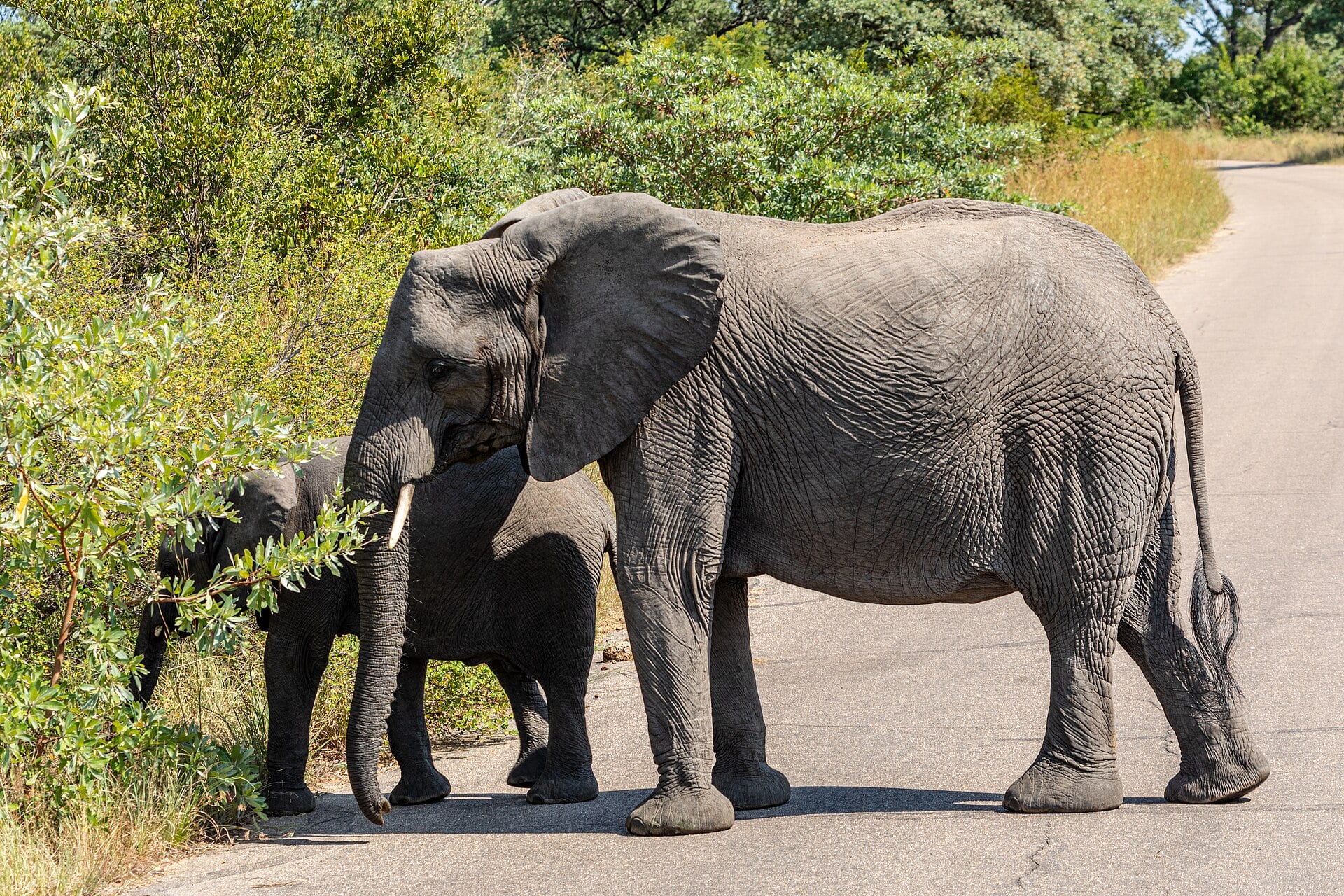
The dry winter months, roughly May to September, are the best time for game viewing in Kruger National Park. The grass is low, trees are thin and animals gather at the few waterholes and rivers.
The summer rains start around October and last to about March. The park turns green and good for birdwatching, but dense bush makes animals harder to spot.
Malaria is the health point to plan for. SANParks says the risk is highest from November to April but usually low, so speak to a doctor or travel clinic about precautions before you go.
Park prices also change soon. South Africa’s national park fees for foreign visitors are due to rise on 1 November 2026, as we explain in our guide to the new park fees.
Johannesburg, Durban and the Highveld
Johannesburg sits on the Highveld at roughly 1,750 metres, so its air is thin and its winter nights are cold. Summer brings hot days, often followed by short afternoon thunderstorms.
Durban and the east coast are warmer and more humid through summer. Winter there is mild, which makes it a popular escape when Cape Town is wet.
For a first trip that mixes a city, a safari and a coast, May to September is simple. Inland weather is dry and clear, and the Cape is the only stop that needs a rain jacket.
Whales, Crowds and Holidays
Southern right whales visit the Cape coast from about June to November. Hermanus, east of Cape Town, is the best-known viewing town, and the peak is September and October.
Hermanus holds an annual Whale Festival around the turn of September and October, and the dates change each year. Book early if your trip matches, because the town is small.
South African school holidays and the Christmas period push up prices and fill beaches. The 16 December Day of Reconciliation and 25 and 26 December are public holidays, so shops and some attractions close or run short hours.
Month by Month at a Glance
- —Dec–Feb Hot, long days in Cape Town, the busiest and most expensive months, with afternoon storms inland.
- —Mar–Apr Still warm in Cape Town, with fewer crowds; the summer rains are ending inland.
- —May–Aug Dry, cool winter inland and in Kruger; wet and cold in Cape Town, with snow possible on the highest peaks.
- —Sep–Oct Whales at Hermanus, dry bush for game viewing and mild weather in the Cape.
- —Nov Rains start in the north and east; malaria risk in Kruger rises.
Entry Rules and Safety for Americans
US citizens staying 90 days or less for tourism or business do not need a visa. Your passport must be valid for 30 days after you leave and have at least two blank pages.
Families should read the rules for minors, who need a birth certificate and, if travelling with one parent, written parental consent. Our explainer on the planned electronic travel authorisation covers what may change.
The US State Department rates South Africa Level 2, “Exercise Increased Caution”, citing crime, terrorism, unrest and kidnapping. Our safety guide and Cape Town cost of living guide help you plan.
What It Means for You
Choose the region before the month. Cape Town works best from October to April, Kruger from May to September, and Hermanus in spring.
Book the Cape early for December, and keep a rain plan for winter. Pair this with our guide to the best places to live in South Africa or the South Africa hub if you may stay longer.
What We Could Not Confirm
We did not publish average temperatures or rainfall totals, because we could not verify current figures from an official weather source. Check the South African Weather Service forecast before any trip.
Frequently Asked Questions
What is the best month to visit South Africa?
October and March suit most travellers, with warm weather and fewer crowds than December to February. For a Kruger safari, aim for the dry months of May to September.
When is the rainy season in South Africa?
It depends on the region. Cape Town and the Western Cape are wettest from June to August, while most of the rest of the country is wettest in summer, roughly October to March.
Is South Africa safe to visit?
The US State Department rates South Africa Level 2, Exercise Increased Caution, citing crime, terrorism, unrest and kidnapping. Use licensed transport, avoid walking at night in city centres and follow your hotel’s advice.
Do I need a malaria pill for Kruger?
Malaria risk in Kruger is highest from November to April but is usually low. Ask a doctor or travel clinic about precautions before you go, because advice depends on your health and dates.
Do Americans need a visa for South Africa?
US citizens staying 90 days or less for tourism or business do not need a visa. You need a passport valid for 30 days after departure and at least two blank pages.
Sources: US Department of State (South Africa travel advisory), South African Department of Home Affairs and DIRCO (entry rules), SANParks. Related: South Africa visa and residency · South Africa hub.
This article was produced by The Rio Times’ automated newsroom system. How we use AI · Report an error · Editorial responsibility: Matthias Camenzind, Editor-in-Chief
Part of our ongoing coverage
Africa: The New Scramble — the great-power contest over the continent.
Expat Guide to South Africa
What The Rio Times publishes for foreigners who live in or move to South Africa.
Start here
- Phone and Internet Setup in South Africa
- Best Places to Live in South Africa for Expats 2026
- South Africa Taxes for Expats 2026: What You Pay
- South Africa Remote Work Visa 2026: Rules and Income
City guides
Cape Town, Johannesburg, Durban
Coming up in South Africa
- Sjava 10 Year Celebration Tour Ends Sold Out in South Africa on 23 October 23 Oct
- Soweto Derby 2026: Date, Kick-Off, Tickets and TV 31 Oct
- Kruger Park Fees Rise to US$42 a Day on 1 November 1 Nov
- Kunye Jozi XI Fills Johannesburg's Huddle Park on 7 November 7 Nov
Understand South Africa