Banco do Brasil Shares Stay Under Pressure After BofA Sell Call
Key Facts
-
—
What happened. Bank of America (BofA) reaffirmed its sell rating on Banco do Brasil (BBAS3), cutting the price target to R$20 (US$3.88). -
—
How big. Non-performing loans overdue more than 90 days hit 5.61% in the second quarter of 2026. -
—
What it means. BofA expects 2026 net profit of R$17.6 billion (US$3.42 billion), below the bank’s own guidance range. -
—
The catch. Most of Banco do Brasil’s employee strike ended on September 11, but about eighteen union chapters kept striking. -
—
Who it affects. Shareholders face renewed selling pressure, while 71,500 employees received a signing bonus of R$3,000 (US$582) each. -
—
What comes next. BofA forecasts a 2027 profit rebound to R$23.6 billion (US$4.58 billion), but sees returns still below its cost of capital.
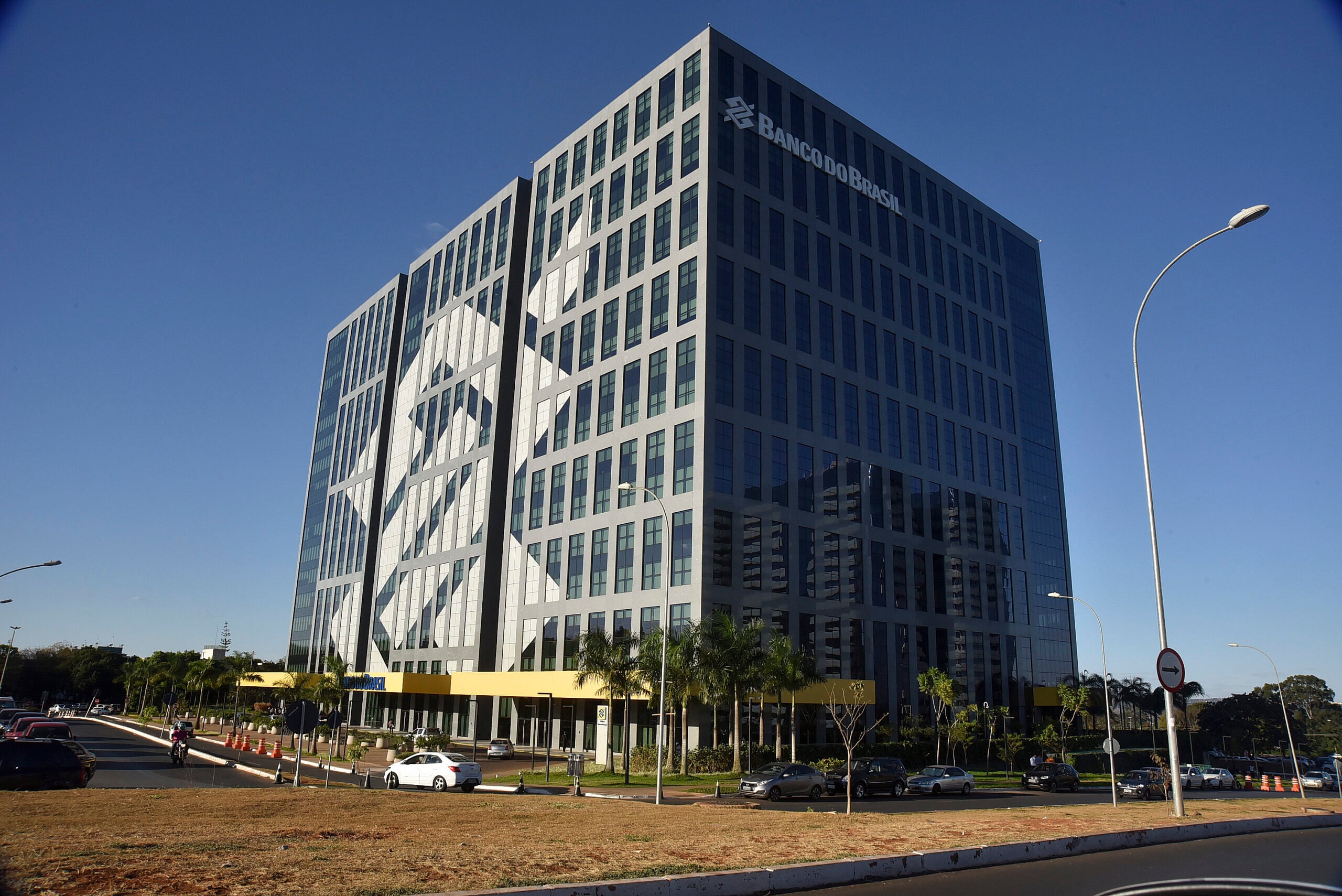
Banco do Brasil, Brazil’s largest state-controlled bank, is facing a rough stretch on the stock market. Bank of America (BofA) reaffirmed its sell rating this month, and fresh earnings data show credit quality getting worse.
Non-performing loans climbed to 5.61% of the loan book in the second quarter. That ratio was 3.96% a year earlier, and 5.05% just three months before.
A labor strike briefly added to the turmoil, shutting some Banco do Brasil branches from September 10. Most of that strike ended within a day, but a handful of union chapters are still walking out.
Banco do Brasil trades on Brazil’s B3 exchange under the ticker BBAS3. The stock has drawn increasingly cautious commentary from multiple analyst desks this earnings season.
Why BofA Turned More Bearish
Bank of America reaffirmed its sell rating on Banco do Brasil (BBAS3) in a report dated Tuesday, September 8, 2026. Analysts cut the price target to R$20 (US$3.88) per share, down from R$21 (US$4.08).
That target implies the stock could fall about 11% from its last close, the bank said. BofA now forecasts 2026 net profit of R$17.6 billion (US$3.42 billion).
That figure sits below the bank’s own guidance range of R$18 billion to R$22 billion (US$3.49 billion to US$4.27 billion). BofA blamed higher provisioning needs tied to worsening asset quality.
Asset-quality problems are no longer limited to farm loans, BofA noted. Credit-card delinquency alone doubled from 7% to 14% in a single quarter.
Bad Loans Keep Climbing
Banco do Brasil’s overall non-performing loan ratio, loans overdue more than 90 days, reached 5.61% at the end of June. That is up from 5.05% in the first quarter and 3.96% a year earlier.
The bank’s expanded credit portfolio totaled R$1.31 trillion (US$254.3 billion) at the end of the quarter. That was up just 0.6% from three months earlier, near the low end of management’s own growth guidance.
The cost of credit rose 16.1% year-on-year, to nearly R$18.5 billion (US$3.59 billion). It still fell 2.1% from the first quarter, easing slightly.
Despite the deterioration, Banco do Brasil posted a net profit of R$3.9 billion (US$757 million) for the quarter. That was up 3.3% from a year earlier, and return on equity rose to 8.3%.
Itaú BBA, a separate Brazilian investment bank, projected a similarly elevated cost of risk near 6.4% for the quarter. JPMorgan and Itaú BBA both described Banco do Brasil as entering a genuinely difficult stretch.
Live Company IntelligenceBanco do Brasil S.A. — the full investor dossier
Valuation & profitability
Price & risk
$17.6752-wk high
$27.36
Revenue trend · 6y
Ownership
Dividend
A Rural Debt Wildcard
Part of BofA’s caution centers on a new government program for rural debt. Medida Provisória 1.376, a provisional measure in effect since late August, lets farmers restructure overdue loans.
BofA estimates Banco do Brasil could renegotiate about R$30 billion (US$5.82 billion) of loans. That is out of roughly R$100 billion (US$19.41 billion) in farm debt the program covers.
The effect on the bank’s provisions and interest income is hard to predict, BofA said. Management has suggested each R$1 billion (US$194.1 million) renegotiated could add up to R$200 million (US$38.8 million) to net profit.
BofA cautioned that the benefit likely applies to only a small share of restructured loans. A severe El Niño weather pattern could also delay any recovery in farm credit quality.
The Strike That Mostly Ended
Labor unrest briefly compounded the pressure on Banco do Brasil this month. Workers walked out on September 10 as part of a broader campaign across Brazil’s public banks.
The union side wanted better funding for Cassi, Banco do Brasil’s employee health plan, plus pay and career gains. Banco do Brasil reached a settlement just one day later, on September 11.
The deal included a real pay increase of 0.6% above inflation, plus profit-sharing paid within 72 hours. It also included a R$3,000 (US$582) bonus for roughly 71,500 employees.
Other terms extended paternity leave from 20 to 35 days for staff. The bank also advanced R$360 million (US$69.9 million) to shore up the Cassi fund.
A total of 116 union bases approved the agreement, but about 18 rejected it. As of Monday, those holdout chapters, including Angra dos Reis and parts of Bahia, were still on strike.
Caixa Econômica Federal, a separate state bank, remains on a full nationwide strike. Its dispute centers on Saúde Caixa, its own employee health plan, not on Banco do Brasil’s terms.
What Comes Next
BofA does expect some recovery, projecting 2027 net profit of R$23.6 billion (US$4.58 billion). But it still sees return on equity at just 12.2%, below the bank’s cost of capital.
That gap between returns and the cost of capital is the core of BofA’s sell call. Until asset quality stabilizes, the bank said, higher profit alone will not be enough to change its view.
Investors are now watching the remaining strike holdouts and the pace of rural debt renegotiation. Both could shape Banco do Brasil’s results well into 2027.
This article was produced by The Rio Times’ automated newsroom system. How we use AI · Report an error
LatAm Markets: Live Signals → — real-time movers, turnover leaders and FX across Latin America.
Read More from The Rio Times