Banco BAM Gets US$70M From Colombia’s Grupo Cibest in Guatemala
Finance · Guatemala
Key Facts
—Investor Grupo Cibest, the Colombian holding company that owns Bancolombia
—Amount US$70 million in subordinated financing
—Recipient Banco Agromercantil (Banco BAM) of Guatemala
—Channel Routed through Bancolombia Panama, a Cibest subsidiary
—Purpose Strengthen capital structure and expand credit for SMEs and independent workers
Banco BAM, Guatemala’s Banco Agromercantil, received US$70 million in subordinated financing from Colombia’s Grupo Cibest to reinforce its capital base and expand lending, the Colombian holding company confirmed on July 31.

The Subordinated Financing Mechanism
The US$70 million injection is structured as subordinated debt, a form of financing that ranks below senior creditors in the event of liquidation.
For regulators and rating agencies, subordinated debt often qualifies as Tier 2 capital, directly strengthening a bank’s solvency ratios.
Grupo Cibest described the transaction as an innovative and sophisticated mechanism in the Guatemalan market.
The holding company noted that the structure is available to other actors in the country’s financial system.
The funds were channeled through Bancolombia Panama, a key offshore subsidiary that Cibest uses for its Central American operations.
By bolstering Banco BAM’s capital structure, the financing allows the Guatemalan bank to increase its lending capacity without diluting existing shareholders.
Who Is Grupo Cibest and Bancolombia
Grupo Cibest is a Colombian financial holding company that serves as the parent of Bancolombia, the country’s largest bank by assets.
Bancolombia operates across Colombia, Panama, El Salvador, and Guatemala, offering retail banking, corporate credit, and wealth management services.
The group also controls offshore platforms in Panama and Puerto Rico, which it uses to structure cross-border transactions.
For foreign investors, Cibest is one of Latin America’s most closely watched financial conglomerates, listed on the New York Stock Exchange under the ticker CIB.
The holding company has been actively restructuring its portfolio, including the planned spin-off of its digital wallet Nequi into an independent entity.
The Banco BAM capital injection signals that Central America remains a priority even as Cibest reshapes its Colombian digital strategy.
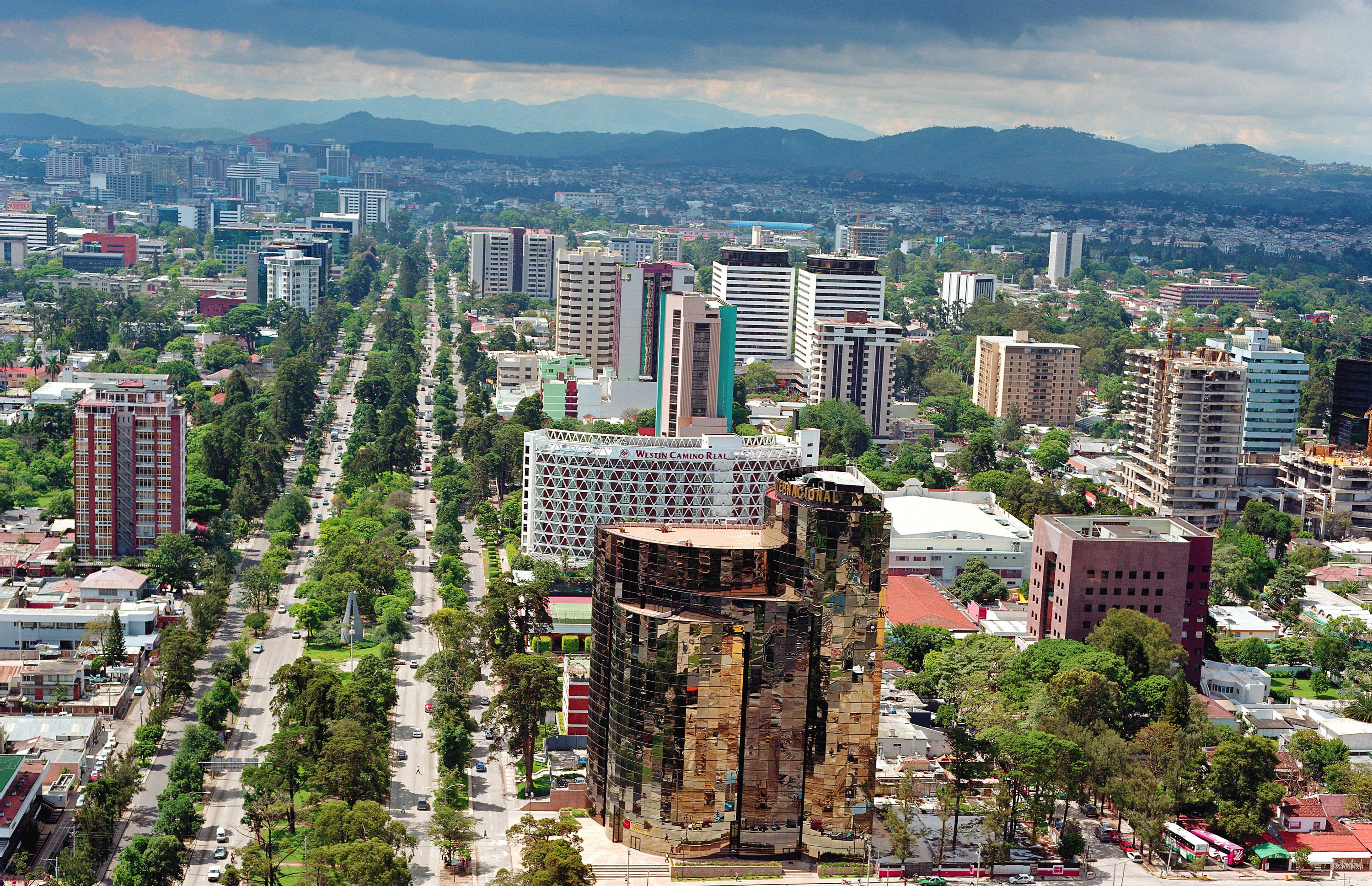
Banco BAM’s Role in Guatemala
Banco Agromercantil, known commercially as Banco BAM, is one of Guatemala’s largest private banks, with deep roots in the country’s agricultural and corporate sectors.
The bank operates a nationwide branch network and serves large companies, small and medium enterprises, and individual clients.
Guatemala has the largest economy in Central America, yet its banking penetration remains low, creating a long-term growth opportunity for well-capitalized lenders.
Banco BAM has been expanding its digital channels and credit products to reach underserved segments, including independent workers and informal entrepreneurs.
The fresh capital from Cibest will allow the bank to accelerate that push, particularly in SME lending, a segment that often struggles to access formal credit in Guatemala.
The bank’s management has said the funds will boost productivity and support Guatemalan economic growth.
SME Credit and the Productivity Goal
Small and medium enterprises generate roughly 70 percent of employment in Guatemala but receive a disproportionately small share of bank credit.
Banco BAM plans to use the US$70 million to close that gap, targeting companies, SMEs, and independent workers with new lending products.
Subordinated financing improves a bank’s capital adequacy ratio, which directly determines how much it can lend under Guatemalan banking regulations.
By strengthening Tier 2 capital, the injection multiplies BAM’s lending capacity well beyond the nominal US$70 million figure.
The productivity angle is critical: Guatemalan SMEs often rely on expensive informal credit, which limits their ability to invest in equipment and hire formally.
Cheaper, longer-term bank credit could lift output in sectors such as agribusiness, light manufacturing, and services.
Cibest’s Central American Strategy
The Banco BAM deal consolidates Cibest’s broader Central American investment strategy, which has been unfolding for over a decade.
Bancolombia first entered the region through acquisitions in El Salvador and Panama, later expanding into Guatemala.
The holding company now views Central America as a natural extension of its Colombian franchise, offering higher growth margins and diversification away from the Colombian peso.
In a separate transaction, Cibest is also financing US$83.7 million through BAM and Bancolombia Panama for Grupo Licores de Guatemala’s international expansion.
That deal, distinct from the subordinated injection, highlights how Cibest uses its Guatemalan subsidiary as a platform for regional corporate banking.
The strategy mirrors moves by other Latin American multilatinas, such as Panama’s Copa Holdings and Mexico’s América Móvil, that treat Central America as a single integrated market.
The Nequi Spin-Off Context
While Cibest deepens its Central American footprint, it is simultaneously unwinding one of its most valuable Colombian assets: the digital wallet Nequi.
Nequi started as a standalone fintech inside Bancolombia and grew to serve millions of users across Colombia and Panama.
Cibest is now spinning Nequi off into an independent company, a move designed to unlock shareholder value and attract fresh investment.
The spin-off requires significant management attention and capital allocation at the holding-company level.
Against that backdrop, the US$70 million Banco BAM injection signals that Cibest is not retreating from traditional banking in Central America even as it bets on digital finance at home.
For foreign investors, the dual strategy offers exposure to both a legacy banking franchise in a high-growth region and a fintech pure-play in Colombia.
Background: Moraes Family Firm Warned of Corruption Risk in Master Advice.
More: Latin America news in English, every day from The Rio Times.
Frequently Asked Questions
What is subordinated financing?
Subordinated financing is debt that ranks below senior loans in repayment priority. For banks, it often counts as Tier 2 capital, strengthening regulatory capital ratios and expanding lending capacity.
Why is Grupo Cibest investing in Guatemala?
Grupo Cibest sees Guatemala as a high-growth market with low banking penetration. The investment deepens its Central American presence and diversifies revenue away from Colombia.
How will the funds be used?
Banco BAM will use the US$70 million to strengthen its capital structure and expand credit, especially for small and medium enterprises and independent workers in Guatemala.
Connected Coverage
Guatemala Tourism Law Reform Adds Hotel Tax Breaks and a US$38M Fund
Guatemala IUSI Property Tax Exempts Homes, Keeps Commercial Levy
Sources: Grupo Cibest.
This article was produced by The Rio Times’ automated newsroom system. How we use AI · Report an error
Read More from The Rio Times