Argentine Beef Fills Its United States Quota Early as Argentines Eat Less of It
Argentina · Agriculture
Key Facts
- —What changed Washington quadrupled the amount of Argentine beef that can enter at a near-zero tariff this year.
- —How the quota works Twenty thousand tonnes a year, plus an extra eighty thousand released in four quarterly batches.
- —How fast it goes The batch that opened on 1 July was gone within the first week.
- —What Argentina has shipped 67,118 tonnes to the United States from January to July, three times last year’s figure.
- —The cost at home Argentines now eat 46 kilos of beef a year each, down almost a tenth in twelve months.
- —The herd behind it August slaughter was the lowest for that month in 47 years, and the national herd is shrinking.
Argentina is selling more beef to the United States than at any point in memory, and the quota that allows it keeps running out months ahead of schedule. Inside Argentina, people are eating the least beef in twenty years.
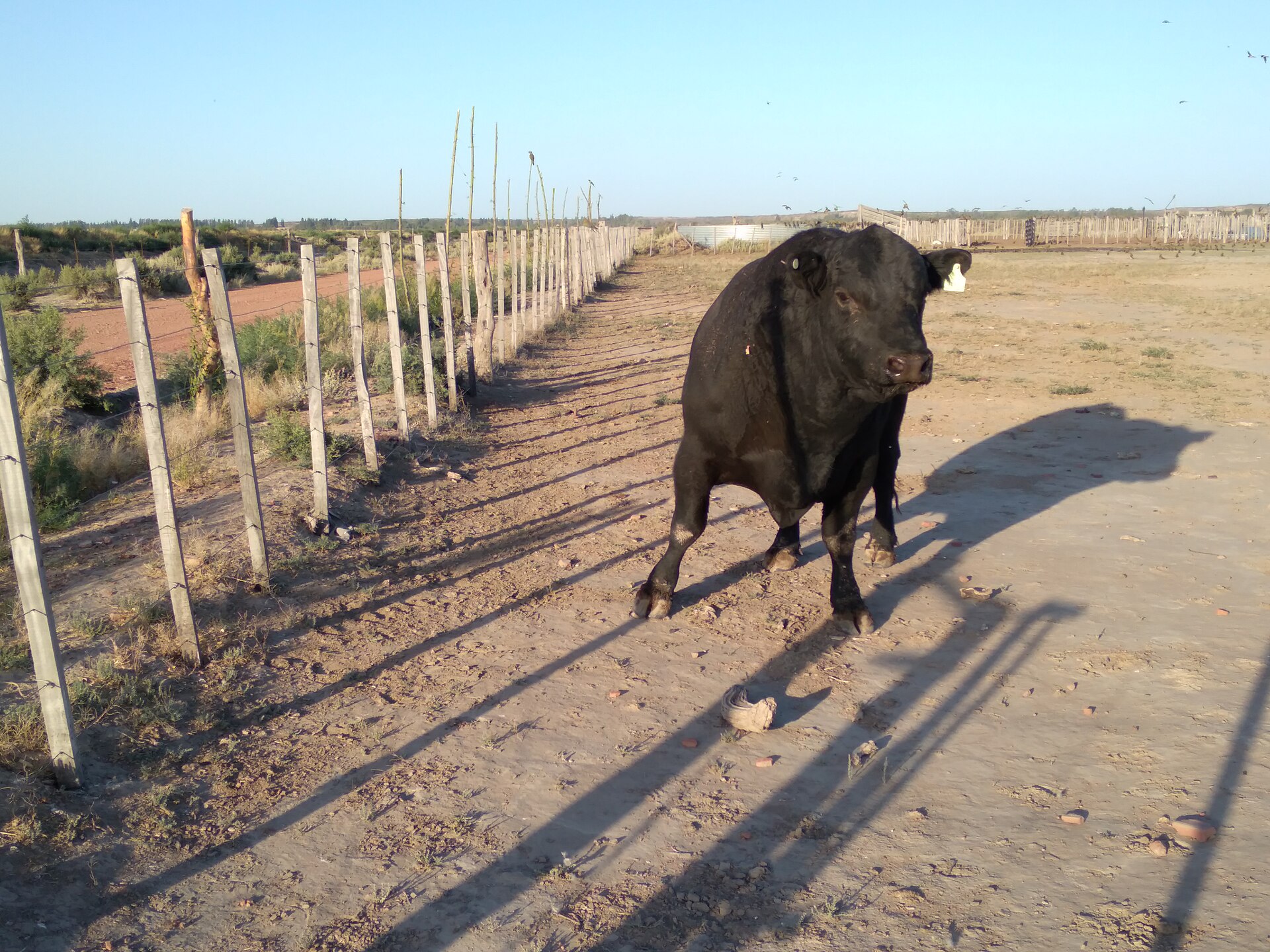
Argentine beef is having the best year it has had in a decade abroad, and one of its worst at home. Both facts come from the same set of numbers.
A Quota That Keeps Running Out
For years Argentina could send 20,000 tonnes a year into the United States at a token duty. That duty is US$44 a tonne, and anything beyond the quota pays 26.4 percent.
In February this year Washington added 80,000 tonnes on top, taking the total to 100,000. The extra volume is released in four batches of 20,000 tonnes, one per quarter, on a first-come basis.
The batch that opened on 1 July was exhausted within the first week. Mario Ravettino, who heads the exporters’ group Consorcio ABC, called that unprecedented.
His comparison was with last year, when Argentina filled the whole annual quota and then paid the tariff on a little more. This year one quarterly tranche vanished in days.
The extra tonnage comes with a restriction that rarely makes the headlines. It is limited to lean boneless trimmings for industrial use, which is to say hamburger meat.
The original 20,000 tonnes carries no such limit and takes the high-value cuts. The two are not interchangeable, and Argentine exporters treat them as separate businesses.
The Numbers Behind the Rush
Argentina shipped 67,118 tonnes of beef to the United States between January and July. That is up 202.6 percent on the same months of 2025, when the figure was 22,183 tonnes.
The United States is now Argentina’s second market after China, taking 17 percent of volume. Prices explain part of the enthusiasm.
Argentine beef averaged US$8,274 a tonne into the United States in the first half. A year earlier the figure was US$7,079, and in May alone 11,000 tonnes left for US$86 million.
Total beef exports to all destinations reached 403,100 tonnes worth US$2.77 billion from January to July. Volume rose 6.7 percent and earnings 41.8 percent.
What Argentines Are Paying
At the Cañuelas market outside Buenos Aires, live cattle averaged 3,833.7 pesos a kilo in August, or about US$2.54. That is 46 percent more than a year earlier.
Retail cuts rose 51.2 percent over the same twelve months, roughly double the rate of general inflation. Beef also became 21.8 percent more expensive relative to chicken.
Consumption has responded the way economics textbooks say it should. Argentines now eat 46 kilos of beef per person a year, down 9.5 percent, or nearly five kilos, in twelve months.
For a country that built its national identity around the asado, that is a large adjustment. It is reported as the lowest level in two decades.
The Herd Is the Real Constraint
Argentina is exporting more while producing less. The national herd stood at 50.9 million head at the end of 2025, down 704,000 animals or 1.4 percent.
Cows alone fell by 520,000 head. The herd has not grown in three years.
August slaughter came to 1.011 million head, down 12.9 percent and the weakest August in 47 years. Female slaughter fell 20.8 percent, which normally signals farmers holding back breeding stock.
Production over the first eight months fell 6.8 percent to 1.944 million tonnes. Exports over the same period rose 6.5 percent.
Andrés Costamagna of the Sociedad Rural Argentina describes the model bluntly. Argentina will import at four dollars a kilo and export at eight, he says.
That means covering home demand increasingly with Brazilian, Paraguayan and Uruguayan meat. It is a reversal for a country that has exported beef for a century and a half.
The Argument in Washington
The quota expansion is unpopular with American ranchers. The National Cattlemen’s Beef Association said it created chaos at a critical time of year while doing nothing to lower supermarket prices.
R-CALF USA argued that rising imports have tracked the shrinking of the American herd. Fifty-two members of the House of Representatives signed a letter against the policy in November.
Argentine officials put the prize at around US$800 million in additional exports. The Consorcio ABC has projected annual sales to the United States above US$700 million, against roughly US$345 million before.
There is a fresh Argentine grievance running the other way. A new American quota of 300,000 tonnes of lean beef opened on 1 September.
It went to Brazil, Paraguay, Ireland, Japan and the Netherlands. Argentina got none of it.
Argentina was excluded precisely because it already holds a country-specific allocation. Argentine analysts read that as handing Brazil an opening.
What to Watch Next
The final batch of 20,000 tonnes opens on 1 October. On the evidence of July, it will not last long.
The expansion is temporary and covers this calendar year only. It was granted under a United States law allowing a quota to widen when domestic supply is tight.
Whether it is renewed for 2027 is an open question. Argentine exporters are planning as though it will be.
The deeper question is whether Argentine beef output can follow the demand. A herd that is not growing cannot supply both a record export book and a domestic market at the same time.
More: Argentina coverage, every day from The Rio Times.
Frequently Asked Questions
How large is the United States quota for Argentine beef?
One hundred thousand tonnes this year. Twenty thousand of that is the long-standing annual allocation, which enters at a duty of US$44 a tonne; the other eighty thousand was added in February 2026 and is released in four quarterly batches of twenty thousand. Beef arriving outside the quota pays 26.4 percent.
Does the trade stop when a batch runs out?
No. Shipments can continue at the 26.4 percent out-of-quota rate, but at an average price above US$8,000 a tonne that duty is roughly US$2,180 a tonne, which usually removes the margin on industrial trimmings. In practice exporters wait for the next batch.
Why is beef getting more expensive inside Argentina?
Because there is less of it. The national herd has not grown in three years, slaughter in August was the lowest for that month since 1979, and a growing share of what is produced is being sold abroad at prices domestic buyers cannot match.
How much beef do Argentines eat now?
About 46 kilos a person a year, according to the meat industry body CICCRA, down 9.5 percent over twelve months and reported as the lowest in two decades. Argentina still ranks among the largest per-person beef consumers in the world.
Sources: Congressional Research Service on the expanded United States beef quota for Argentina, USDA Foreign Agricultural Service, Argentina livestock semi-annual, Infobae on Argentine beef export volumes to July, La Nación on export earnings from January to July, Infobae Revista Chacra on falling domestic consumption, citing CICCRA, Valor Carne on the national herd count from SENASA, National Cattlemen’s Beef Association on the import expansion
This article was produced by The Rio Times’ automated newsroom system. How we use AI · Report an error
In depth
Read More from The Rio Times