Argentina grappled with a significant gas shortage on Wednesday, halting major industries and transportation.
The cold wave exacerbated the crisis, prompting President Javier Milei’s government to prioritize gas for essential services like homes, hospitals, and schools.
The crisis originated from poor planning and payment disputes.
Argentina had procured liquefied natural gas (LNG) from Brazil, but faced unloading issues when Petrobras, citing payment problems, refused to deliver.
After intense negotiations, an agreement facilitated the normalization of service. As the situation escalated, gas supply restrictions expanded nationwide by Wednesday.
Gas stations halted CNG sales, forcing major sectors like petrochemicals and agro-industries to cease gas usage.
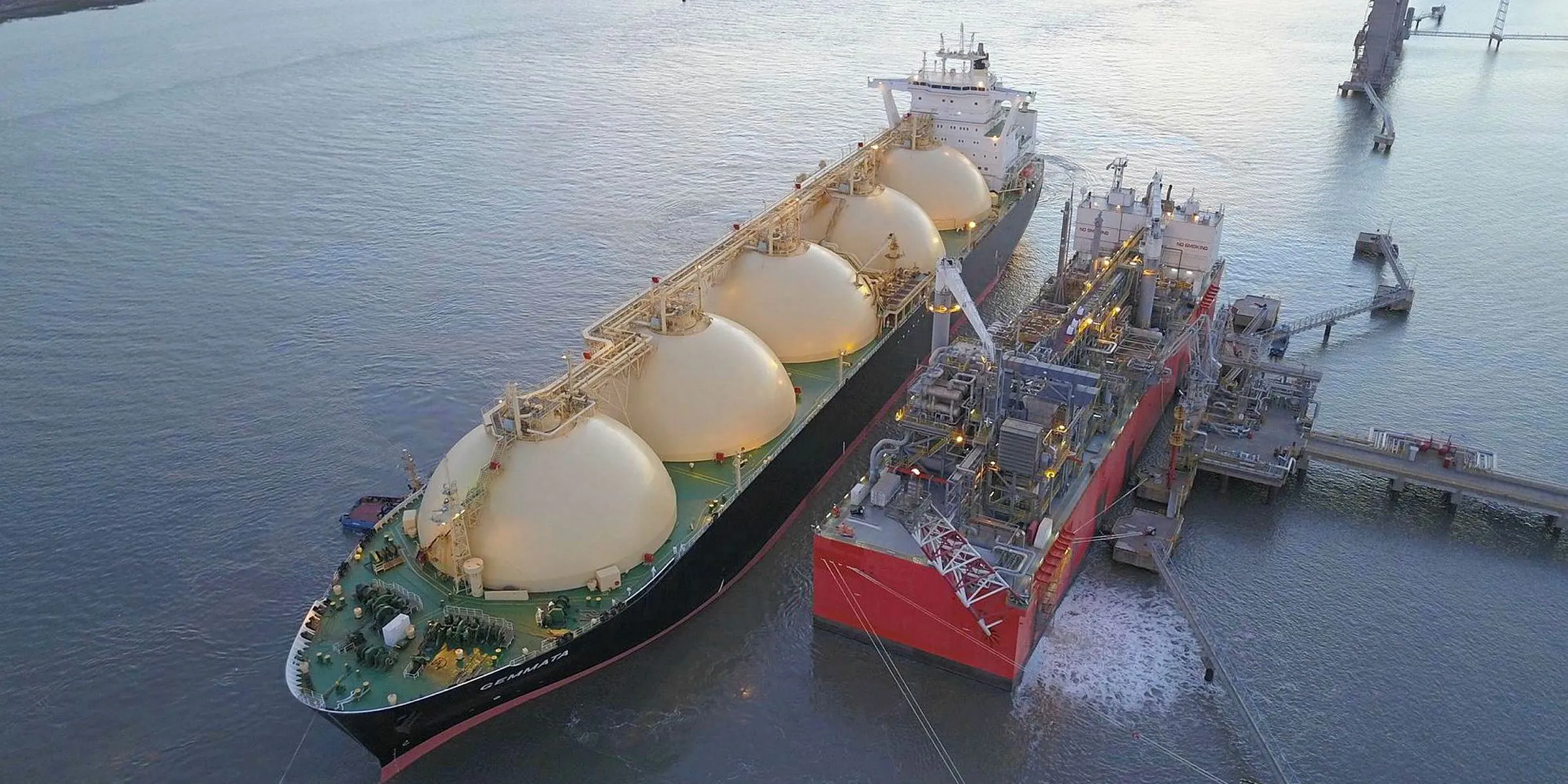
The government’s strategy aimed to conserve gas for residential and critical infrastructures, including power plants.
In a desperate move, Enarsa, a state-majority company, urgently purchased fuel oil and diesel from Petrobras, only to face another setback with a $22 million credit note rejection.
Rumors suggested political tensions between Presidents Milei and Luiz Inácio Lula da Silva influenced the decision.
However, the Brazilian embassy clarified it as a technical issue, eventually resolved with the commencement of gas unloading.
Argentina’s challenge is compounded by underutilization of its resources.
The Vaca Muerta field, a significant gas reserve, is underperforming due to unfinished infrastructure, exacerbated by Milei’s austerity measures.
Unpaid debts to construction firms reduce the Néstor Kirchner Gas Pipeline’s capacity, which is essential for gas transport.
More: Argentina news in English, every day from The Rio Times.
This article was produced by The Rio Times’ automated newsroom system. How we use AI · Report an error
Read More from The Rio Times