Argentina Takes Its Nuclear Export Plan to Vienna
ARGENTINA · NUCLEAR
Key Facts
- —What happened Argentina presented a nuclear export strategy at the International Atomic Energy Agency in Vienna on 14 September.
- —Who presented it Federico Ramos Napoli, at the IAEA’s 70th General Conference.
- —What it is A plan to sell Argentine nuclear technology and services abroad.
- —What it is not A programme to build new reactors in Argentina. That is a separate question.
- —Why Argentina can It is one of a small number of countries that designs and builds its own research reactors, and it has exported them since the 1980s.
- —Who buys Australia, Egypt, Algeria, Peru and the Netherlands have all bought Argentine research reactors.
Argentina has quietly sold nuclear reactors for forty years. In Vienna this week it said it wants to sell more.
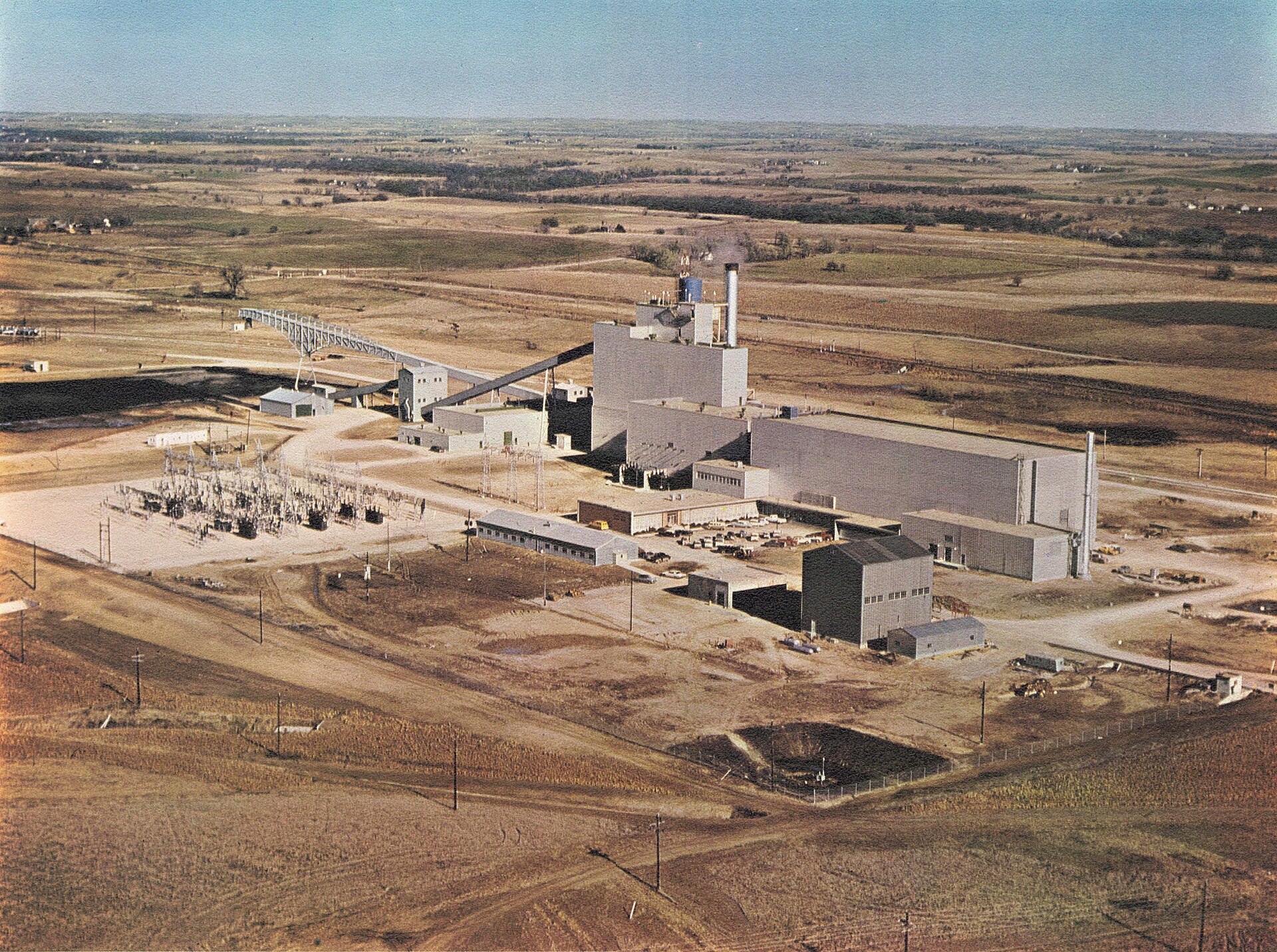
Argentina presented a nuclear export and commercialisation strategy in Vienna on 14 September. The venue was the 70th General Conference of the International Atomic Energy Agency. Federico Ramos Napoli made the presentation.
What Was Presented
The IAEA General Conference brings member states to Vienna each September. The 70th session opened this week.
Argentina used it to present a strategy for exporting and commercialising its nuclear technology.
Federico Ramos Napoli delivered the presentation.
The subject is selling Argentine capability abroad, not building new capacity at home.

Why Argentina Has Anything to Sell
Argentina began its nuclear programme in the 1950s and operates three power reactors: Atucha I, Atucha II and Embalse.
It also designs and builds research reactors, a specialised market in which very few countries compete.
INVAP, a state-owned company in Bariloche, is the designer and exporter. It built the OPAL reactor in Australia, which remains its best-known contract.
Argentina has also supplied reactors or components to Egypt, Algeria, Peru and the Netherlands.
What a Research Reactor Is For
Research reactors do not generate electricity. They produce neutrons for scientific work and, commercially, medical isotopes.
Molybdenum-99, used in millions of diagnostic scans a year, comes from a small number of reactors worldwide.
Supply has repeatedly been disrupted when one of them shuts for maintenance.
A country that can build and supply these reactors occupies a narrow but durable position in a global market.
The Domestic Programme Is a Separate Matter
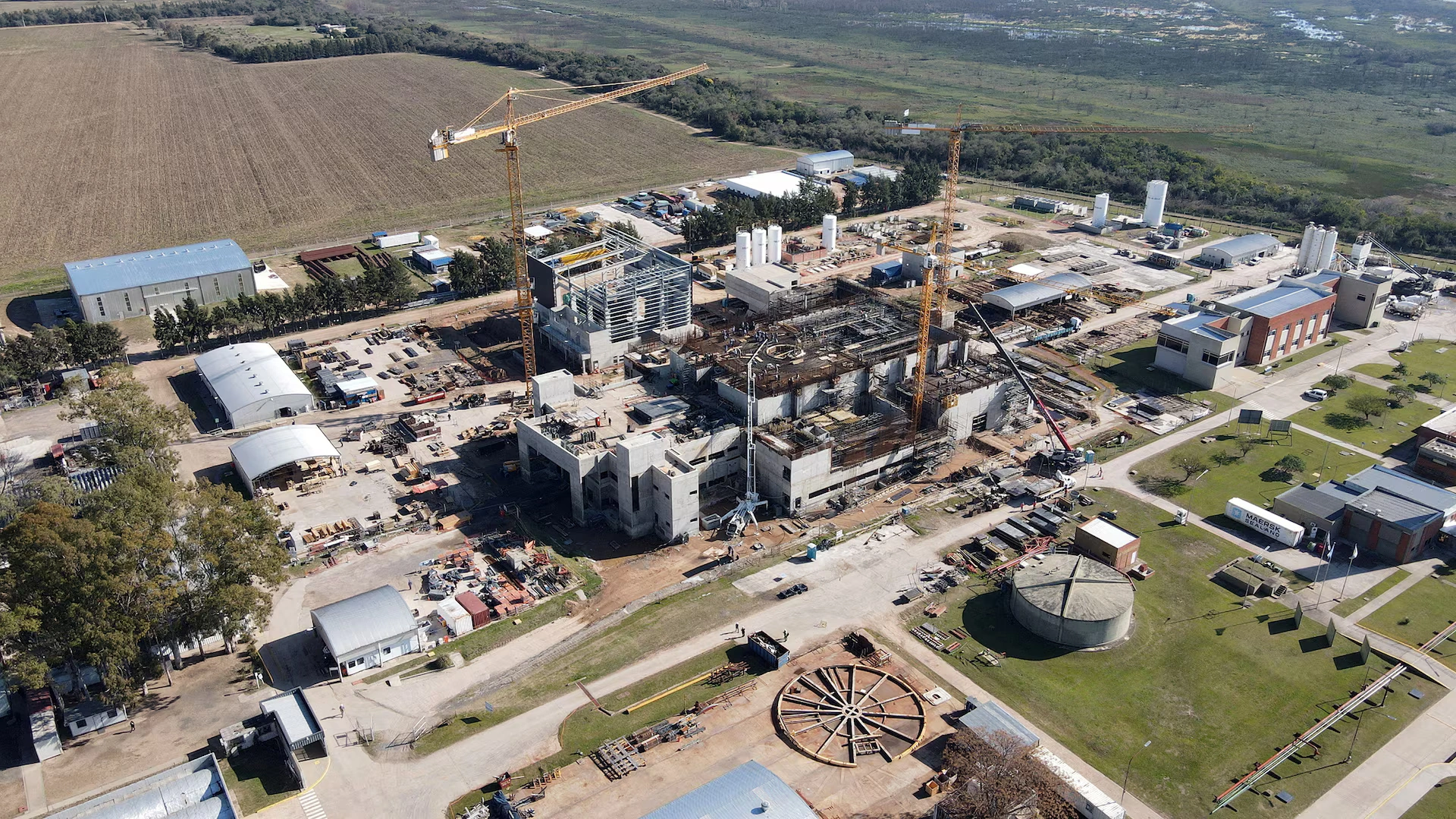
Argentina has been developing CAREM, a small modular reactor of domestic design, for more than a decade.
Its construction has been repeatedly delayed and its budget repeatedly cut.
The current government has also raised the possibility of private participation in the nuclear sector.
None of that was the subject of the Vienna presentation, and the two should not be merged.
Why Now
Argentina needs foreign currency and has few high-value technology exports.
Nuclear engineering is one of the areas where its capability is recognised internationally rather than argued for.
Global interest in nuclear power has risen with electricity demand from data centres and with decarbonisation targets.
Research reactor procurement runs on a slower cycle and is driven by medical isotope supply rather than by energy policy.
The Constraints
Nuclear exports require safeguards agreements and international approvals, which takes years.
Argentina is a party to the Nuclear Non-Proliferation Treaty and to the Brazilian-Argentine agency ABACC, which inspects both countries’ facilities.
That arrangement, unique in the world, is part of why Argentine exports are accepted.
Financing is the harder obstacle. Buyers expect export credit, and Argentina’s ability to extend it is limited.
What to Watch
Any contract announcement following the Vienna presentation.
INVAP’s order book, which is the practical measure of whether a strategy becomes sales.
CAREM funding in the 2027 budget, which went to Congress the same week.
And the medical isotope market, where supply shortages drive procurement decisions.
More: Argentina news, every day from The Rio Times.
Frequently Asked Questions
What did Argentina present in Vienna?
A nuclear export and commercialisation strategy, at the IAEA’s 70th General Conference on 14 September 2026.
Who presented it?
Federico Ramos Napoli.
Is this a new reactor programme for Argentina?
No. It concerns exporting Argentine nuclear technology and services abroad.
What has Argentina exported before?
Research reactors and components to Australia, Egypt, Algeria, Peru and the Netherlands, through the state company INVAP.
What is a research reactor for?
Scientific work and the production of medical isotopes such as molybdenum-99, not electricity generation.
What is CAREM?
A small modular reactor of Argentine design, under development for over a decade and repeatedly delayed. It was not the subject of the presentation.
Sources: International Atomic Energy Agency, Comisión Nacional de Energía Atómica, INVAP, ABACC, Télam, Infobae.
This article was produced by The Rio Times’ automated newsroom system. How we use AI · Report an error
Read More from The Rio Times