Argentina · Economy
Key Facts
- —What happened Formal private payrolls in Argentina shed more than 235,000 jobs since November 2023.
- —How big a jump Labour lawsuits are forecast to hit a record 137,800 in 2026, from 72,525 in the first seven months.
- —The real story Informal work hit 44.2% of the workforce, the highest on record, as formal jobs get too costly.
- —The catch The lawsuit figure is an industry projection from UART, not an official government statistic.
- —Who it touches Private employers and their workers face more court claims, with Argentina having 23 times Chile’s caseload.
- —What comes next Watch whether the caseload keeps rising and employers push more staff into informal roles.
Formal work is thinning out, with record lawsuits and a record share of workers in the informal economy.
If you’re watching Argentina’s economy from abroad, the formal job market is sending a clear warning. Only 76 of every 100 registered private workers keep the same job a year later, and the system is bracing for a record 137,800 new labour lawsuits in 2026.
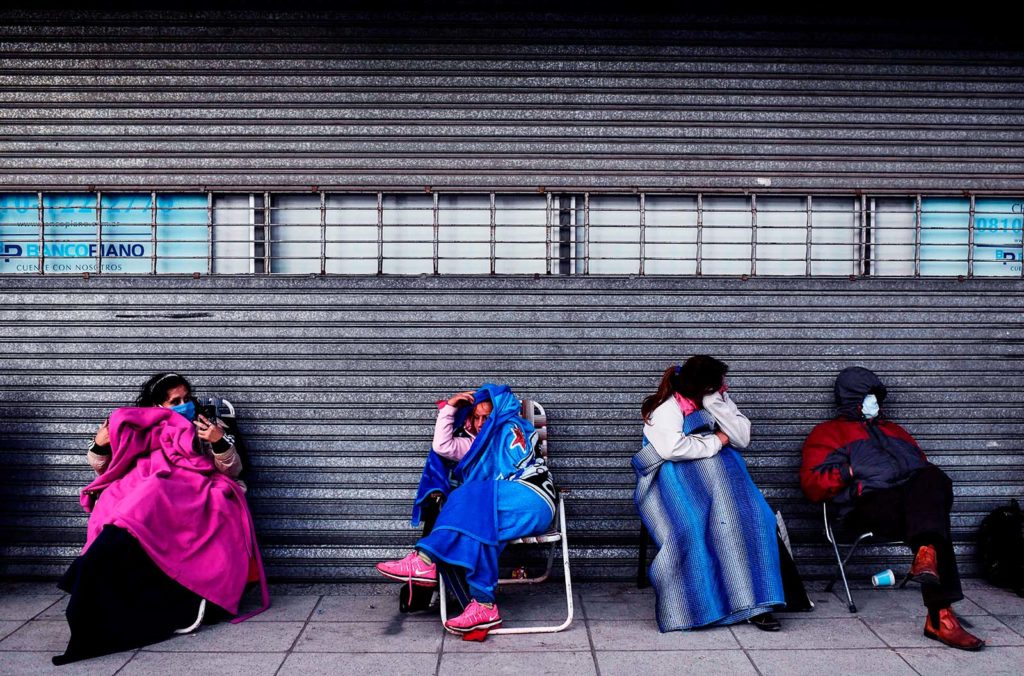
A record wave of labour lawsuits
Argentina’s formal job market faces a wave of legal fights. The UART, the group that represents workplace-risk insurers, expects 137,800 new labour lawsuits in 2026.
This comes from press reports on 14 August 2026. It is a record, and it is higher than the 72,525 new cases filed in the first seven months of the year.
The same reports say there were 135,400 labour-law notices over the last 12 months. That is a heavy load for a system already stressed by economic uncertainty.
For comparison, the peso trades at about 1,487.75 per US dollar (as of 14 August 2026). So, the cost of legal battles adds pressure on employers who already face high expenses.
The rise is not the same everywhere. That is a regional hotspot within a national trend.
To put it in context, Argentina has 23 times more labour lawsuits than Chile, according to the same reports. Even after labour reform, the number of cases keeps growing.
Why formal jobs are vanishing
The background is a smaller formal workforce. Between November 2023 and April 2026, more than 235,000 private registered salaried jobs disappeared, a 3.7% drop.
Public employment fell by about 73,000 in the same period, leaving a net loss near 180,000 jobs.
Only 76 out of every 100 private registered salaried workers stay in the same job after a year. That is the weakest retention rate in ten years.
It means more turnover, more instability, and more reasons for workers to go to court when they lose their jobs.
This trend is not just about news headlines. It shows a slow process: businesses cutting back, workers moving to informal jobs, and the state struggling to keep pace.
The broader picture is stark.7% of the national workforce is in a situation of ‘labour vulnerability,’ meaning precarious employment or insufficient income, based on first-quarter 2026 data.
That aligns with the poverty data: poverty rose to 30% of the population in the first quarter of 2026, and indigence to 6.5%, according to another report.
Informality is now nearly half the workforce
Informal employment reached 44.2% of workers in the first quarter of 2026, according to INDEC, the national statistics agency. That’s the highest level in the recent series, up 2.2 percentage points from a year earlier.
This dual reality—more lawsuits among the formal, while more workers drop into the informal—suggests the system is pulling in two directions. Formal jobs become more expensive to maintain, so employers cut them, pushing workers into informal roles.
Informal workers have no registered contract, no social security contributions, and no legal protection if things go wrong. Nearly half of Argentine workers are in this situation, which means they have less income stability and less access to benefits, even as the formal sector struggles.
For investors, this fragility matters: a weaker formal workforce means lower tax revenue, less consumer stability, and a more volatile business environment.
Why the legal wave is a warning sign
The UART projection is an industry forecast, not an official government count. But the numbers are consistent with the 72,525 cases already filed in the first seven months of 2026, so the trend is credible.
A record wave of lawsuits raises the risk of higher costs for employers, which can feed into prices or job cuts. The rise in informality means more people outside the social safety net, which can hit consumption and public finances.
But there is another side. Courts are rejecting some claims.
In Resistencia, a judge dismissed a worker’s lawsuit. He ordered the worker to pay the employer’s legal costs.
He called the claim ‘manifestly unfounded.’
This shows some lawsuits may be speculative. But the large number still puts pressure on the system.
For people living in or investing in Argentina, this matters. A record wave of lawsuits could raise costs for employers.
That may lead to higher prices or fewer jobs.
More informal work means more people lack protection. This can hurt spending and government finances.
If you own Argentine stocks or bonds, watch the labour market. Formal jobs are shrinking.
The courts are getting busier. This is a sign of stress, not stability.
The data comes from UART projections via press reports. It is not official government statistics.
Treat it as an industry view.
But the direction matches the wider picture of economic strain.
The peso’s slide, now at 1,487.75 per dollar, makes things harder. It affects litigation costs and the real value of wages.
Watch the next few months. If the caseload keeps rising, expect more pressure on employers.
More workers may fall into the informal economy.
What this means for you
Connected Coverage
Argentina Growth Stuck Near 2%, Central Bank Chief Concedes
Milei 2.0: Who Is Winning in Argentina’s New Economy
Argentina RIGI Investment Tops US$49 Billion on Pampa, MEGA Approvals
More: Argentina news in English, every day from The Rio Times.
Frequently Asked Questions
What is the UART and why does its projection matter?
UART is the Unión de Aseguradoras de Riesgos del Trabajo, the trade body for workplace-risk insurers in Argentina. They track labour lawsuits because they’re responsible for insuring against workplace accidents and disputes. Their projection of 137,800 lawsuits for 2026 is based on industry data, reported by press, and signals rising formal-sector friction.
How does the 44.2% informality rate affect the average worker?
Informal work means no registered contract, no social security contributions, and no legal protection if things go wrong. Nearly half of Argentine workers are in this situation, which means they have less income stability and less access to benefits, even as the formal sector struggles.
Is the 137,800 lawsuits figure an official government statistic?
No. It’s a projection from UART, based on industry data, and reported by the press. It’s not a government or regulator figure. The number is consistent with the 72,525 cases filed from January to July 2026, but treat it as an industry forecast, not an official count.
What does the 76-out-of-100 retention rate tell us?
It means that for every 100 private registered salaried workers, only 76 are still in the same job after 12 months. That’s the weakest rate in a decade, showing that job stability is eroding. High turnover can lead to more lawsuits and more informality, as workers lose formal posts and move to informal ones.
Sources: Aumentam os processos trabalhistas e projetam quase 138.000 ; Crecieron los juicios por riesgos del trabajo; Radiografía de la crisis económica: Dos empleos para …; Demandas laborales alcanzan 72.525 en 2023 pese a reforma de; Alerta laboral en Argentina: cada vez es más difícil conserv
In depth
This article was produced by The Rio Times’ automated AI newsroom. Editorial responsibility: Matthias Camenzind, Publisher and Editor-in-Chief. The Rio Times also runs Ask Rio Times, which answers from 100,000+ of our own articles, the daily Latin America Power Map, and prediction-market odds on elections and markets.. How we use AI · Report an error