Argentina Growth Stuck Near 2%, Central Bank Chief Concedes
Argentina · Economy
Key Facts
- —The admission On 14 August 2026 in Mendoza, BCRA president Santiago Bausili said the economy has grown about 2% a year since 2024, ‘much slower than we would like.’
- —The gap Market forecasters still pencil in roughly 2.7% growth for 2026, so the governor’s read of the real pace sits below consensus.
- —The trade-off High real interest rates, with short-term rates in the mid-30s against about 30% annual inflation, are cooling prices but also cooling activity.
- —The inflation win Monthly inflation eased to 1.9% in June and 2.1% in July 2026, a fraction of the triple-digit pace Argentina fought in 2024.
- —The reserves The central bank bought roughly US$6.9 billion in net dollars by late April 2026, rebuilding buffers faster than markets expected.
A tight-money strategy has tamed inflation and rebuilt reserves, yet it is also squeezing the recovery President Javier Milei promised voters.
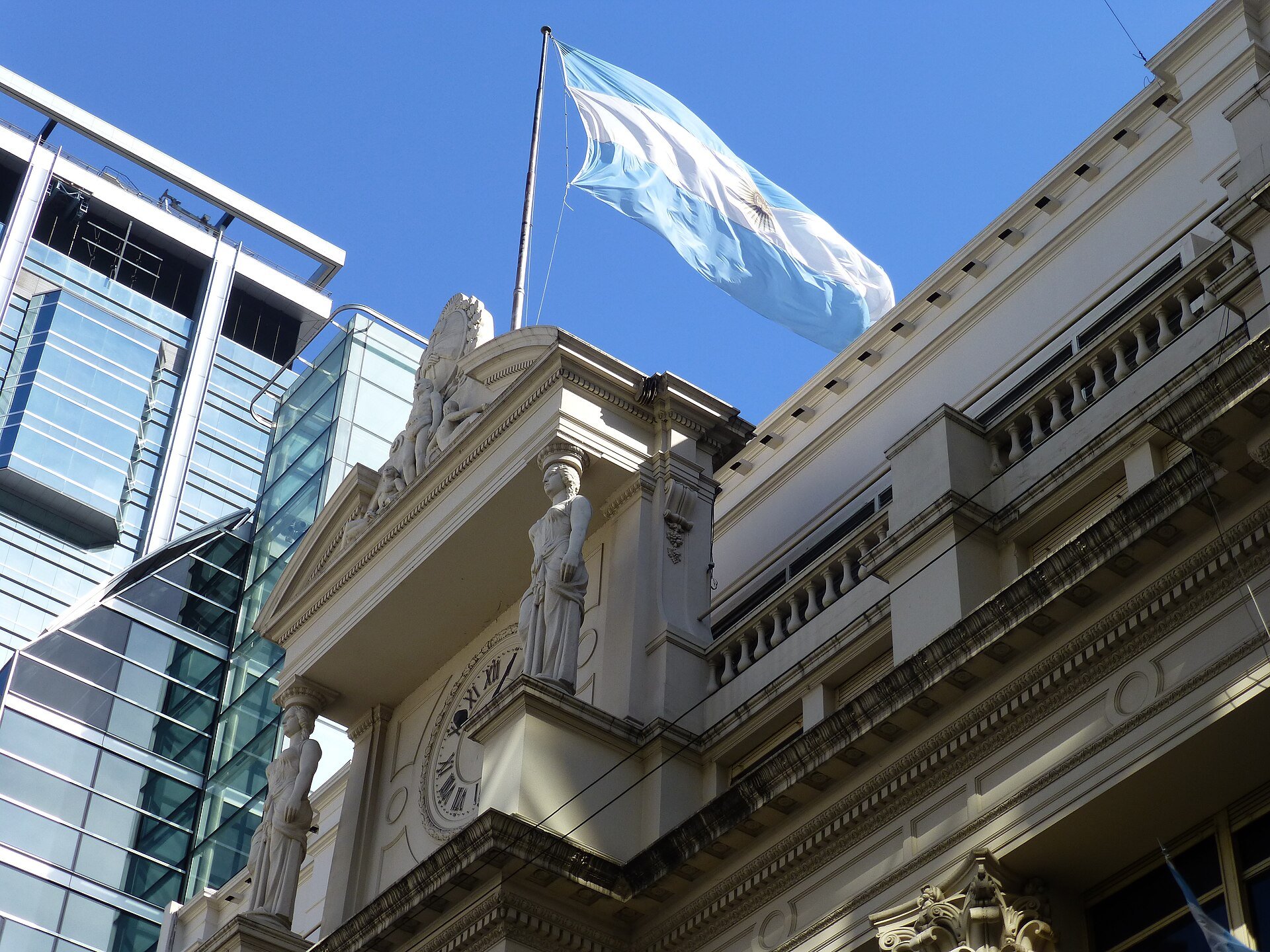
Argentina growth has settled at roughly 2% a year. And the country’s own central bank chief now admits that is far too slow.
Santiago Bausili, who runs the Banco Central de la República Argentina. Made the concession on 14 August 2026 at a business forum in Mendoza.
In plain terms, the man steering monetary policy accepts that the recovery is real but sluggish.
What the central bank chief actually said
Bausili spoke at the Bolsa de Comercio de Mendoza on Friday 14 August 2026. His words were blunt for a sitting central banker.
He said the economy has grown slowly since 2024. At ‘around 2% a year,’ and called that ‘much slower than we would like.
‘ Because he heads the bank, the comment carries unusual weight. In short, this was not an outside critic.
It was the official most responsible for the peso conceding that output is barely moving.
Why Argentina growth is running below hopes
The slow Argentina growth reflects a deliberate choice, not an accident. To crush inflation, the government has kept money tight and credit expensive.
That squeeze works on prices, yet it also cools spending and investment. As a result, factories and shops feel the drag even as headline inflation falls.
So the economy is stuck in a familiar bind. The medicine that lowers inflation is the same medicine that slows the recovery.
Live Market IntelligenceArgentina — Live Market Board
Rio Times · Live Market Intelligence
Argentina — Live Market Board
+0.00%
182,991.13
-0.26%
64,944.41
-0.07%
11,137.59
-1.06%
2,798,925
+0.00%
2,579.33
-0.21%
60,698.35
-0.79%
| Instrument | Last | Change | YoY | Prev. | High | Low | Volume |
|---|---|---|---|---|---|---|---|
| MERVAL | 2,798,925 | +0.00% | +30.51% | 3,022,485 | 3,042,365 | 2,991,150 | — |
| USD/ARS | 1,493 | +0.10% | +12.96% | 1,491 | 1,494 | 1,480 | — |
| YPF | 7,810 | +0.26% | +72.84% | 7,790 | 7,850 | 7,600 | 1,763,858 |
| GGAL | 6,980 | -0.78% | +1.82% | 7,035 | 7,115 | 6,920 | 1,564,062 |
| PAMPA | 5,115 | +0.69% | +26.70% | 5,080 | 5,140 | 5,000 | 721,190 |
| TXAR | 747.50 | -2.35% | +18.67% | 765.50 | 770.00 | 742.50 | 771,892 |
| ALUAR | 938.00 | -1.21% | +29.83% | 949.50 | 951.00 | 932.50 | 135,426 |
| TGS | 8,870 | -0.17% | +15.05% | 8,885 | 9,075 | 8,720 | 143,546 |
| CEPU | 2,156 | +1.84% | +28.36% | 2,117 | 2,165 | 2,086 | 404,146 |
| MIRGOR | 1,650 | -1.20% | -92.90% | 1,670 | 1,670 | 1,635 | 20,877 |
| COME | 40.93 | -0.73% | -30.47% | 41.23 | 41.60 | 40.50 | 4,258,884 |
| LOMA NEGRA | 3,130 | +0.08% | +5.80% | 3,128 | 3,205 | 3,090 | 182,992 |
| BYMA | 275.00 | -1.70% | +35.14% | 279.75 | 282.50 | 272.00 | 1,409,575 |
| TELECOM ARG | 4,233 | -0.70% | +55.19% | 4,263 | 4,335 | 4,160 | 31,896 |
| GLOBANT | 38.10 | -2.26% | -49.65% | 38.98 | 38.70 | 36.77 | 793,552 |
| MERCADOLIBRE | 1,870 | -3.59% | -20.71% | 1,940 | 1,927 | 1,870 | 329,640 |
The 2% figure, in context
Bausili’s ‘2%’ describes the actual pace of growth from 2024 to today. It is a diagnosis of the recent past, not a fresh forecast for the year.
Market economists are a touch more upbeat. The central bank’s own expectations survey put 2026 growth near 2.7%, with the top forecasters closer to 2.6%.
The point of his remark, therefore, is expectation management. He is signaling that the rebound many Argentines were promised has arrived only in low gear.
High rates are the price of low inflation
The central bank has held interest rates well above inflation, keeping real returns positive. In early 2026, key rates sat in the mid-30s while annual inflation ran near 30%.
Positive real rates reward saving in pesos and discourage a rush to dollars. That helps steady the currency, which has long been Argentina’s weak point.
The cost is felt on the ground. Because borrowing is dear, businesses delay expansion and households postpone big purchases.
Rebuilding the reserve cushion
One clear win sits behind the tight policy. The central bank has been buying dollars steadily to rebuild its depleted reserves.
By late April 2026, net purchases reached about US$6.9 billion, beating market expectations, while gross reserves rose by roughly US$5 billion. Stronger buffers make a sudden peso crisis less likely.
For a country with a history of running out of dollars, that matters. A fatter reserve cushion buys time and calms nervous investors.
The inflation story behind the slowdown
The disinflation is the flip side of the weak growth. Monthly inflation came in at 1.9% in June 2026 and 2.1% in July.
Those are small numbers by Argentine standards. Only two years earlier, prices were rising at a triple-digit annual clip that wrecked household budgets.
Even so, the fight is not finished. Bausili flagged seasonal and tourism factors behind July’s slight uptick, and forecasters see monthly inflation drifting back below 2%.
The politics: after the midterms, before 2027
The timing of the slowdown is politically awkward. Argentina held legislative midterm elections on 26 October 2025, and the tightest money conditions came in that run-up.
With that vote now past, the next national election is not until 2027. That gives President Javier Milei a window to keep the squeeze on before campaigning resumes.
Still, patience has limits. Voters were promised a payoff for the pain, and slow growth tests how long that patience can last.
What it means for ordinary Argentines
For most people, the numbers translate into a slow, uneven recovery. Prices are rising far less quickly, which protects the value of wages.
Yet jobs and incomes are not surging back. Because activity is crawling, many families feel stability rather than genuine improvement.
In short, the economy has stopped burning. It has not yet started to boom.
The markets’ muted response
There was no dramatic market swing tied directly to the Mendoza remarks. The peso stayed within its managed range and bond prices held.
That calm is itself telling. Investors already knew growth was soft, so a candid admission changed little in the immediate trading.
The broader 2026 picture remains one of gradual stabilization. Spreads have narrowed from crisis levels, and the currency has been steady.
What to watch next
The key test is whether the central bank can ease rates without reigniting inflation. Any rate cuts would signal confidence that prices are truly under control.
Analysts will also track each reserve report and inflation print for the trend. A steady drift below 2% monthly would give the bank more room to breathe.
For now, the message from the top is honest but sobering. The recovery is on, yet it is moving at little more than a walking pace.
Frequently Asked Questions
Who is Santiago Bausili?
He is the president of the Banco Central de la República Argentina (BCRA). The country’s central bank, and a key architect of its monetary policy under President Javier Milei.
What did the BCRA chief say about growth?
On 14 August 2026 in Mendoza, Bausili said the economy has grown about 2% a year since 2024. Describing that pace as ‘much slower than we would like.
Is the 2% figure a cut to the official forecast?
No. It describes the actual pace of growth since 2024. The central bank’s market survey still projects roughly 2.7% growth for 2026.
Why is Argentina’s economy growing so slowly?
High real interest rates aimed at taming inflation are cooling spending and investment. So the disinflation win comes at the cost of a weaker recovery.
Connected Coverage
Sources: Infobae; La Nación; BCRA REM survey; INDEC.
This article was produced by The Rio Times’ automated newsroom system. How we use AI · Report an error
Read More from The Rio Times