Argentina’s newly launched pipeline has saved $550 million in energy imports in just three months.
Opened on July 9, the project links the Vaca Muerta gas field in Neuquén to Salliqueló, Buenos Aires. Quickly, the initiative is paying off.
According to Argentina’s Energy Department, a $100 million energy surplus is expected for 2023.
This will be the country’s first positive energy balance in a decade. It’s a result of less energy bought and more sold abroad.
For 2024, even brighter projections surface. Experts estimate a surplus of nearly $3.8 billion.
To reach this, two projects are crucial: the Nestor Kirchner pipeline’s second phase and the Reversal del Norte.
Together, they will pump gas from Vaca Muerta to seven more provinces. Previously, Argentina relied heavily on Bolivia for gas.
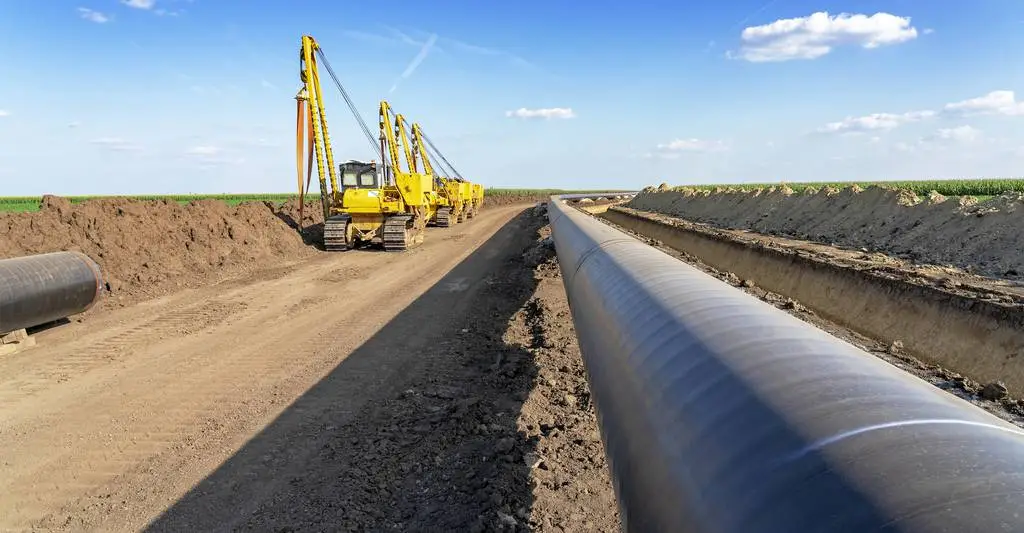
Now, this new pipeline allows Argentina to plan for energy self-sufficiency. This is crucial, especially with global commodity prices going up.
Moreover, the country has resumed exporting gas to Brazil and Chile. Specifically, gas exports to Chile restarted on October 1 after a 17-year hiatus.
The commitment is to sell 400,000 cubic meters daily until April 2024. Long-term planning is now the focus. Experts call for a well-defined energy strategy.
They argue that Argentina needs more autonomous institutions to manage energy policies. Currently, these are under the Ministry of Economy.
The aim is a national strategy for equitable public service distribution.
Importantly, this should not increase consumer tariffs or higher industrial costs. Balanced growth with affordable energy is the goal.
Background Argentina Pipeline
Argentina’s energy pivot comes at a crucial time. With the world eyeing green solutions, natural gas serves as a cleaner bridge fuel.
Many countries are still reliant on coal; thus, Argentina’s efforts set an example.
Regionally, this development also affects South American geopolitics. For years, Bolivia has been a major gas supplier in the region.
Argentina’s potential self-sufficiency could change this dynamic, fostering more balanced relations.
More: Argentina news in English, every day from The Rio Times.
This article was produced by The Rio Times’ automated newsroom system. How we use AI · Report an error · Editorial responsibility: Matthias Camenzind, Editor-in-Chief