Angola’s $1.4 Billion Fertilizer Factory to Reduce Import Dependence
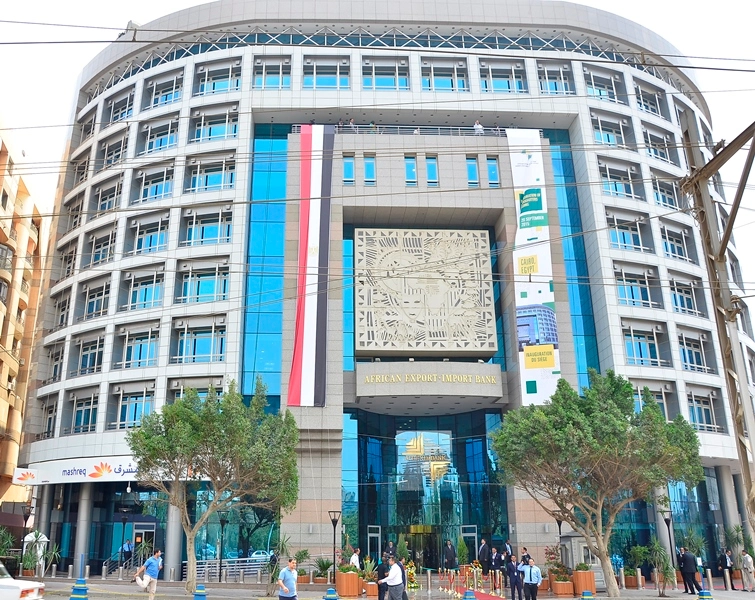
Afreximbank pledges $1.4 billion for a new fertilizer plant in Angola, signaling a major agricultural advancement.
Set to begin production in 2027, the project, signed today in Luanda, aims at national self-sufficiency. Afreximbank and Amufert, under Opaia Group, will manage the Soyo-based facility.
Benedict Oramah, President of Afreximbank, emphasized the plant’s impact on food sovereignty.
He noted the critical need to reduce reliance on erratic international exports. Currently, Angola imports fertilizers worth over $1.4 billion annually, highlighting the urgency for local production.
Afreximbank is allocating $2.2 billion to boost Angola’s development, including major projects like the Cabinda refinery.
The bank is also discussing support for the Lobito refinery with Sonangol, Angola’s state oil company.
Diamantino Azevedo praised the project’s readiness and global competitiveness. He credited Sonangol for providing the necessary 10% of gas via Sonagás.
The government has facilitated this by setting a competitive gas price and providing limited guarantees.
They also signed a deal with Opaia Group and K-Mineração for a potassium concession in Cabinda, boosting compound fertilizer production.
He criticized Western and Asian banks for favoring their national interests, but praised Afreximbank for its fair approach.
Kapaia shared that the project, costing about $2 billion, will produce 1.3 million tons annually. This will eliminate Angola’s need to import fertilizers, transforming its agricultural sector.
This initiative not only secures Angola’s agricultural future but also encourages African self-reliance, reducing the continent’s exposure to global supply chain disruptions.
More: Angola news in English, every day from The Rio Times.
This article was produced by The Rio Times’ automated newsroom system. How we use AI · Report an error
Part of our ongoing coverage
Africa: The New Scramble — the great-power contest over the continent.
Read More from The Rio Times