Angola Single-Use Plastics Ban Takes Effect After One-Year Grace Period
Angola · POLICY
Key Facts
- —What happened Plastic bags thinner than 50 microns, plastic straws, drink stirrers and cotton buds were banned from 22 September 2026.
- —The law Presidential Decree 170/25 was signed on 22 September 2025 and gave producers and traders exactly 12 months to adapt.
- —What it costs Company fines run from 1 million kwanzas (about US$1,100) to 30 million kwanzas (about US$33,000), doubled for repeat offences.
- —Who enforces ANIESA, the economic inspection authority, polices medium and large firms; municipal administrations check small shops and stalls.
- —The catch Health, oil and gas, fishing, cosmetics, farming, construction and personal hygiene sit outside the decree entirely, awaiting their own rules.
- —What comes next A second phase on 22 September 2028 targets polystyrene cups, non-recyclable plates, cutlery and PET bottles under 500 millilitres.
Angola’s single-use plastics ban took effect on Tuesday 22 September 2026, one year to the day after the decree that created it. Companies caught breaking the rules face fines of up to about US$33,000.
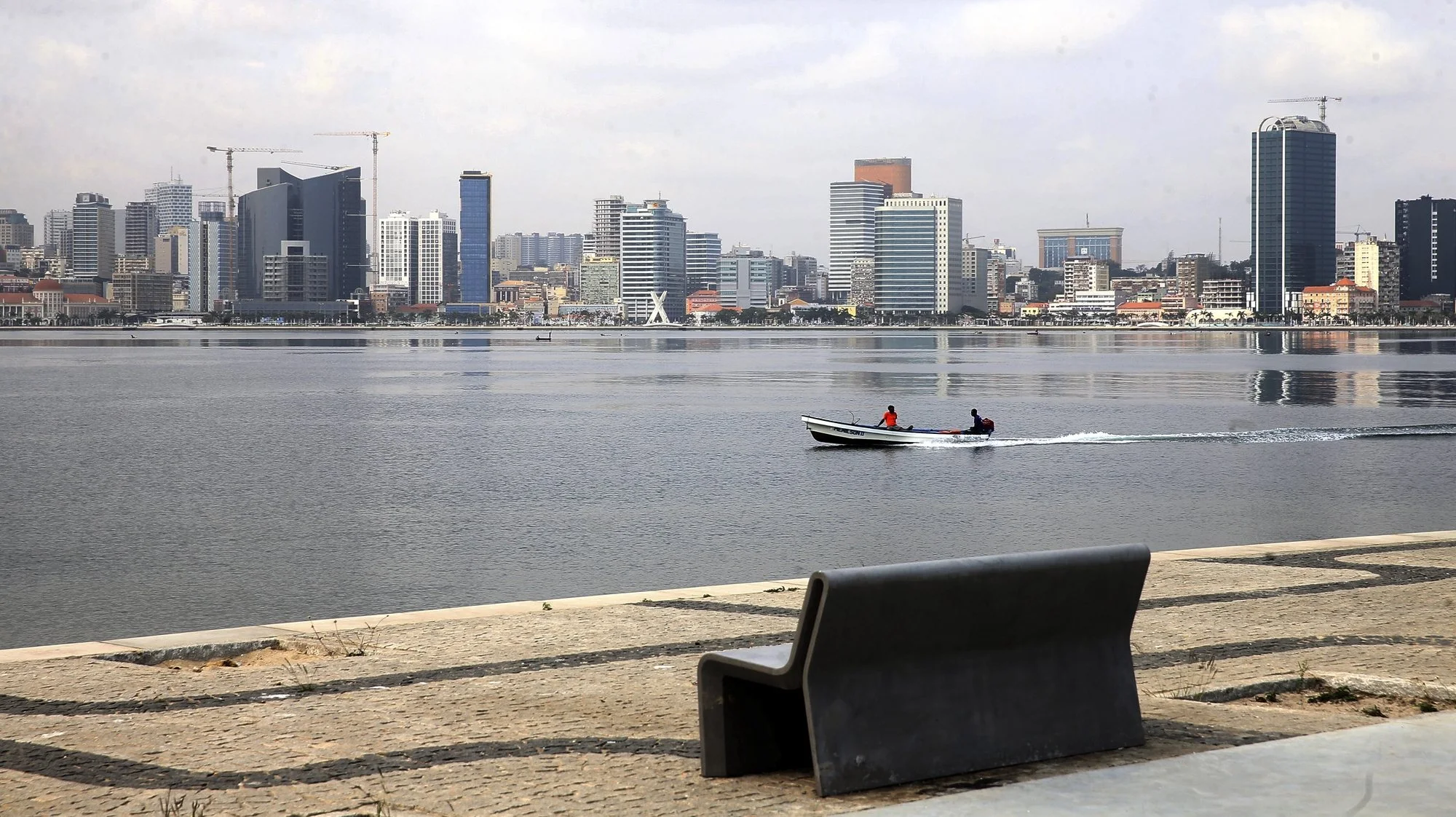
Angola banned the production, import, sale and use of several everyday plastic items on Tuesday 22 September 2026. The Angola single-use plastics ban makes the southern African country the latest on the continent to put a date on disposable plastic.
What the Angola single-use plastics ban covers
The first phase outlaws plastic bags thinner than 50 microns, plastic straws, drink stirrers and cotton buds with plastic stems. They can no longer be made, imported, sold or used anywhere in the country.
A separate clause goes further in sensitive places. All single-use plastic is barred from beaches, conservation areas, museums and sites listed as world cultural or natural heritage.
Iury Sousa Santos, Angola’s Secretary of State for the Environment, set out the rules at a press conference in Luanda. “The bags we commonly have on the market are not recyclable,” he told reporters.
“They are often dumped in the open, and our recycling capacity at national level is still very limited,” he added. The Portuguese news agency Lusa reported the remarks.
Why the ban starts on this date
The rules come from Presidential Decree 170/25, signed on 22 September 2025 by President João Lourenço. The decree gave producers and traders exactly 12 months to adapt.
That grace period is why the ban bites now rather than a year ago. A second set of bans follows 36 months after the decree, on 22 September 2028.
The decree implements a national plan approved on 29 May 2025 by Presidential Decree 122/25. The plan is known in Portuguese as PLANEPP and runs from 2025 to 2027.
Who actually enforces the rules
Two different bodies police the ban. Medium and large companies answer to ANIESA, the National Authority for Economic Inspection and Food Safety.
ANIESA sits under the Ministry of Industry and Commerce. Small shops and market stalls are checked instead by municipal administrations, Angola’s local government bodies.
The decree lets the police assist inspectors on the ground. The ministry or the municipality then rules on each case, after the trader has been heard.

What the fines actually are
Penalties are written in national minimum salaries rather than fixed sums. Angola’s minimum wage has been 100,000 kwanzas (about US$110) a month since 16 September 2025.
Individuals face a quarter of one minimum salary up to 50 salaries. That works out at 25,000 kwanzas (about US$27) to 5 million kwanzas (about US$5,500).
Companies face 10 to 300 minimum salaries, or 1 million kwanzas (about US$1,100) to 30 million kwanzas (about US$33,000). A repeat offence doubles both ceilings.
Conversions here use a rate of about 916 to the US dollar, the XE mid-market rate on 22 September 2026. Non-compliant imports are forfeited to the state, and licences can be suspended for up to two years.
The scale of Angola’s plastic problem
Angola generates about 19,000 tonnes of solid waste a day, Iury Sousa Santos told the Luanda press conference. Almost 24 percent of that is plastic, or roughly 4,560 tonnes.
Less than a tenth of all waste is recycled. Most of the rest goes to landfill or ends up in ditches, rivers and the sea.
What the rules mean for business
Carlos Manuel Rodrigues, Angola’s Secretary of State for Industry, said the country has 33 plastic bag factories. He told reporters they had adjusted without heavy investment.
He added that the government will issue no import licences for the banned items. That makes the border, rather than the shop shelf, the first line of control.
Importers and packaging firms now have to check their product lines against the banned list. Several sectors are outside the decree altogether and will get their own rules later.
Those carve-outs cover health, oil and gas, fishing, cosmetics, agriculture, civil construction and personal hygiene. Biodegradable and compostable packaging is also excluded, if it is certified.
A continental pattern
Angola is not acting alone. Guinea, in West Africa, began enforcing its own ban on Monday 21 September 2026, one day earlier.
Ethiopia outlawed single-use plastic bags on 31 January 2026 under its solid waste law. Enforcement there falls to the country’s Environmental Protection Authority.
The wave fits a wider pattern traced in Africa: The New Scramble. Environmental rules, resources and market access increasingly overlap.
What to watch next
The next fixed date is 22 September 2028, when polystyrene cups, non-recyclable plates, cutlery and small PET bottles go. Until then, the question is whether inspections happen at all.
An opinion column in Forbes África Lusófona on 2 September 2026 asked whether the responsible bodies are ready. Its author argued that measurement and selective collection remain the weak link.
The minimum wage is also the dial on every penalty. Each rise in Angola’s wage floor lifts the whole scale of fines with it.
Frequently Asked Questions
When did Angola’s single-use plastics ban take effect?
It took effect on 22 September 2026, twelve months after Presidential Decree 170/25 was signed on 22 September 2025.
What products are banned in the first phase?
Plastic bags thinner than 50 microns, plastic straws, drink stirrers and cotton buds with plastic stems.
What fines can companies face for breaking the rules?
From 10 to 300 national minimum salaries, which is 1 million kwanzas (about US$1,100) to 30 million kwanzas (about US$33,000).
Who enforces the ban in Angola?
ANIESA, the National Authority for Economic Inspection and Food Safety, covers medium and large firms. Municipal administrations cover small businesses.
Connected Coverage
Sources
- Presidential Decree 170/25, full text (AngoLEX)
- Novo Jornal, Luanda
- Lusa news agency
- Expansão
- Economia e Mercado
- Angolan labour ministry on the minimum wage
- Agence Guinéenne de Presse
- Fana Broadcasting, Ethiopia
This article was produced by The Rio Times’ automated newsroom system. How we use AI · Report an error
LatAm Markets: Live Signals → — real-time movers, turnover leaders and FX across Latin America.
Read More from The Rio Times