
CHILE · COURTS EXPLAINED
Key Facts
- Law VIF, short for violencia intrafamiliar, is Chile’s legal term for domestic violence.
- Prison Term 100 days, swapped for partial house arrest during the day.
- Monitor An ankle monitor for 100 days, run by Gendarmería de Chile.
- Fine 11 monthly tax units, or 796,840 pesos (about US$821).
- Other Orders Six months of no contact with Yamila Reyna and two years of treatment.
- Power Index Chile ranks 3rd of 14 in The Rio Times Latin America Power Index, with 62.9 points (November 2026 edition).
Américo’s sentence explained in one line: a Chilean court gave the singer 100 days of prison, served as daytime house arrest with an ankle monitor. Below is what each part means in Chilean law.
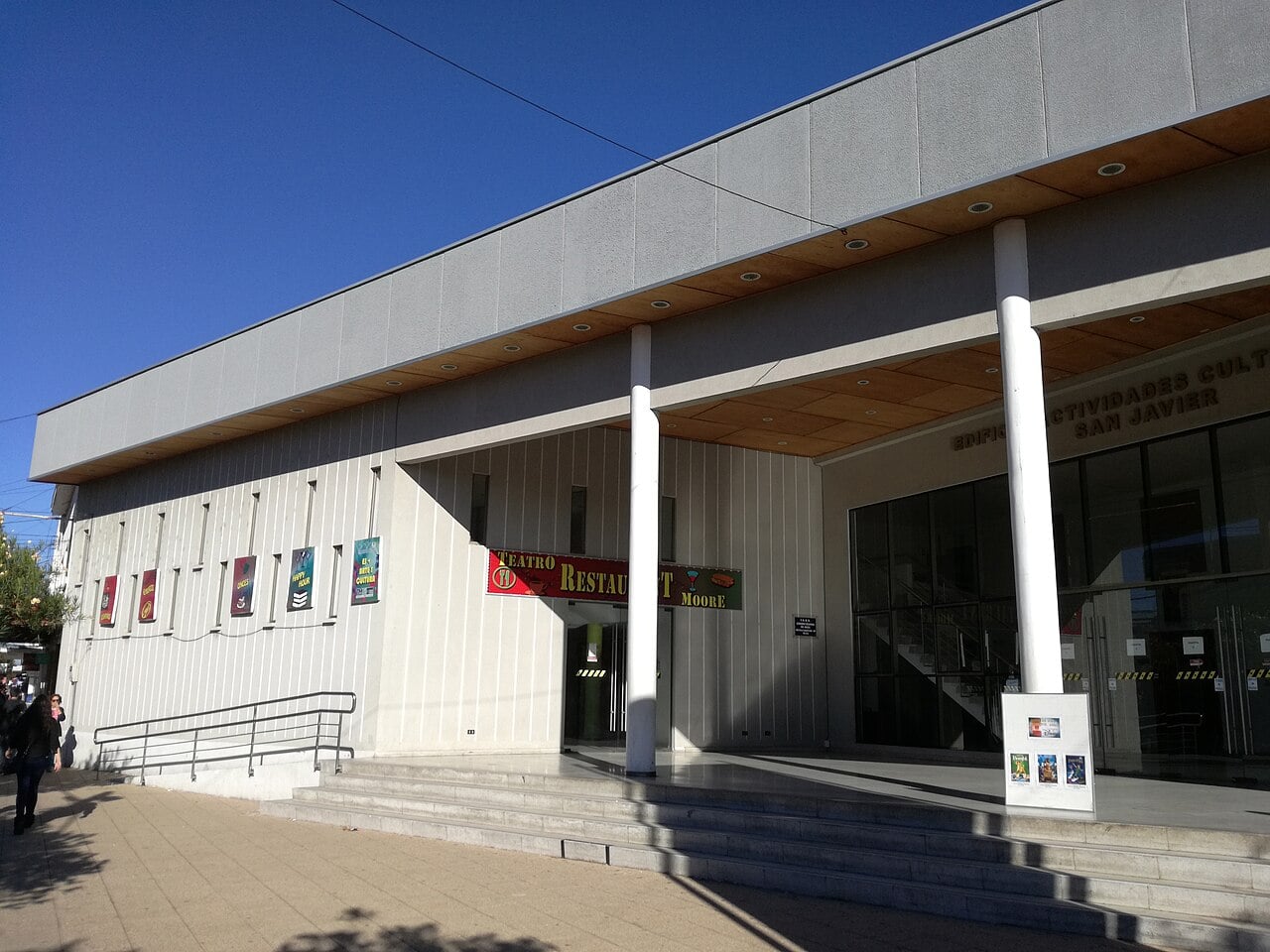
The Juzgado de Garantía de San Javier convicted him on Friday, 6 November 2026, in a domestic-violence case. Our news report on the ruling has the full news report.
What VIF Means in Chile
VIF stands for violencia intrafamiliar, the label Chilean law gives to abuse that harms a person’s life, body, mind, sexual freedom or economic independence. It covers abuse by current or former spouses and by romantic or sexual partners, even without living together.
Article 5 of Law 20,066, the national domestic-violence law, sets that definition. Américo’s case falls under it because Yamila Reyna is his former partner.
Américo’s Sentence Explained Sanction by Sanction
The court sentenced Américo to 100 days of prison in the lowest tier of the shorter prison scale, called presidio menor en su grado mínimo. Chilean law lets a judge swap a short prison term for a substitute penalty, which is what happened here.
The substitute penalty is partial house arrest during the day, called reclusión parcial diurna. By law it means staying at home for eight continuous hours a day, in a window set between 8 a.m. and 10 p.m.
The ankle monitor is the law’s preferred way to check house arrest, and it runs as long as the sentence, here 100 days. Gendarmería de Chile, the national prison service, runs the supervision and reports breaches to the court.
What the Fine, No-Contact Order and Treatment Mean
The fine is 11 monthly tax units, or 796,840 pesos (about US$821 at 971 pesos per US$1 on 6 November). The domestic-violence law sets fines from 5 to 30 units, so the amount sits inside that range.
A monthly tax unit is a payment unit that Chile’s tax agency, the Servicio de Impuestos Internos, publishes each month. In November 2026 one unit is worth 72,440 pesos (about US$75).
For six months Américo may not approach or contact Reyna, and the law lets judges set such limits for between six months and two years. He must also attend a two-year impulse-control program, which the law lists among mandatory therapeutic programs for offenders.
What Américo Admitted and What Was Alleged
Américo told the hearing that the facts occurred and that he accepts full responsibility, and he apologized publicly to Reyna. He described the 8 February 2026 incident as a moment of anger.
The conviction is for less serious injuries in a domestic-violence context. Earlier statements by a prosecutor about verbal violence were allegations at the time of the May hearing.
In Plain English, Who Is Who
Américo is a Chilean cumbia and tropical-music singer with a career of more than three decades. Yamila Reyna is an Argentine actress and his former partner, who filed the complaint.
A Juzgado de Garantía is a local criminal court in Chile. Gendarmería de Chile is the national prison service that supervises monitored sentences.
What It Means for You
For a US reader, the case shows how Chilean law lets a short sentence be served at home under electronic monitoring, with mandatory treatment attached. Partial house arrest is available only for sentences of up to three years, and only under conditions.
The ruling affects only Américo and does not change Chilean law. For wider context, see our Chile security and crime explainer.
What Is Not Known
The court set the exact eight-hour daytime window and the home for the arrest, and neither has been announced. The Juzgado de Garantía de San Javier and Gendarmería de Chile can say when the 100 days begin.
Whether the ruling will be appealed is unknown. Américo’s lawyers can say, and the court registry in San Javier will show any filing.
More: Latin America news in English, every day from The Rio Times.
Frequently Asked Questions
What is VIF in Chile?
VIF means violencia intrafamiliar, Chile’s legal term for abuse by a current or former partner or by a relative. Law 20,066 defines it and lets judges order no-contact rules and treatment.
Does house arrest mean Américo is free?
No. Daytime house arrest means eight continuous hours a day at home, set between 8 a.m. and 10 p.m., and breaches go to the court.
How long does the ankle monitor stay on?
It runs for 100 days, the same length as the sentence. Chilean law sets monitoring to last as long as the substitute penalty.
Can the no-contact order be extended?
The law lets a judge set no-contact rules for six months to two years. They can be extended at the victim’s request if the facts that justified them continue.
Sources: Ley 20.066 on domestic violence, articles 5, 8 and 9 (Biblioteca del Congreso Nacional); Ley 18.216 on substitute penalties, articles 7, 8 and 23 bis (Biblioteca del Congreso Nacional); Servicio de Impuestos Internos, monthly tax unit (UTM) table 2026, November 2026; Juzgado de Garantía de San Javier, formalization hearing (12 May 2026) and sentencing hearing (6 November 2026); Poder Judicial de Chile, 6 November 2026; Banco Central de Chile, observed dollar, 6 November 2026.
Editorial responsibility: Matthias Camenzind, Editor-in-Chief · Editorial standards · Report an error