
ALGERIA · POPULATION
Key Facts
- What is happening Algeria has 47.4 million people, three in four in cities, and two official languages, Arabic and Tamazight (Berber).
- Why it matters A young, growing, urban population presses on jobs, housing and food; identity and language remain national questions.
- The numbers UN estimate for mid-2025: 47,435,312 people, 29.9% under 15; life expectancy 76.5 years in 2024.
- Who is who Arab and Amazigh (Berber) communities, including the Saharan Tuareg, share the country; Islam is the state religion.
- What to watch Watch the next official census, falling fertility, the promised Tamazight academy and refugee numbers from Western Sahara.
- What it means for you Few Algerians seek asylum in the US, 130 in 2025; check State Department advice before travelling.
Algeria is young, urban and growing, with Arab and Amazigh communities and two official languages. Here are the numbers and groups to know in November 2026.
Algeria’s population stood at 47.4 million in mid-2025, a United Nations estimate, and keeps growing by about 1.3% a year. This guide explains who lives in Algeria, where they live and how the communities and languages fit together.
Nearly three in four Algerians live in cities, and about 30% are under 15. The 2020 constitution names Arabic and Tamazight as official languages, but no official ethnic shares were found.
More coverage sits on the Rio Times Algeria page, the politics guide and the culture guide. The economy guide and the geopolitics guide add context.
Population figures come from the UN Population Division, part of the UN Department of Economic and Social Affairs (UN DESA). The World Bank, a global development lender, republishes them, and all money amounts are in US dollars.
Algeria Population in Numbers
The list below gives the main figures and their dates. Details follow in the sections after it.
- Total population: 47,435,312 in mid-2025, up from 46,814,308 in mid-2024.
- Growth: about 1.3% in 2025, down from 1.4% in 2024.
- Age: 29.9% aged 0 to 14, 63.3% aged 15 to 64 and 6.8% aged 65 or older in 2025.
- Median age: 28.6 years in 2025, half the population younger and half older.
- Cities: 75.8% of people lived in urban areas in 2025.
- Women: 49.0% of the population in 2025.
- Health and births: life expectancy of 76.5 years and 2.72 births per woman in 2024.
- Birth and death rates: 18.8 and 4.6 per 1,000 people in 2024.
- Migration: net migration of minus 27,531 people in 2025.
- Density: 19.7 people per square kilometre in 2024.
Official Figures and Who Counts Them
The UN Population Division estimates Algeria’s population at 47,435,312 on 1 July 2025. It projects 50.2 million for 2030 and 59.6 million for 2050 in its medium scenario.
The World Bank publishes the same series. The health and population ministry said, as reported, that Algeria had 47 million people on 1 July 2025.
That matches a January 2024 projection by the Office National des Statistiques (ONS), Algeria’s statistics office, as reported. The ONS website could not be opened, so its own tables are not quoted.
These are estimates, not a census count. No recent census result was found.
Growth and Age, a Young Country
The UN puts Algeria’s population at 11.8 million in 1962 and 47.4 million in 2025, about four times as many people. Growth slowed from 1.5% in 2023 to 1.3% in 2025.
Fertility fell from 7.6 births per woman in 1962 to 2.72 in 2024. The birth rate was 18.8 per 1,000 people in 2024, and the death rate was 4.6.
In 2025, 29.9% of Algerians were aged 0 to 14 and 63.3% were aged 15 to 64. Only 6.8% were 65 or older, so the country is still young.
Life expectancy at birth was 76.5 years in 2024. Women made up 49.0% of the population in 2025.
A large share of children and young adults will enter the job market in the coming years. This guide gives no unemployment figure, because no primary source was retrieved.
Cities and the Sahara
The World Bank says 75.8% of Algerians lived in urban areas in 2025, up from 74.7% in 2023. Average density was only 19.7 people per square kilometre in 2024.
Averages say little about where people live, and no primary source on regional population shares was retrieved. Individual cities such as Algiers and Oran are therefore not ranked here.
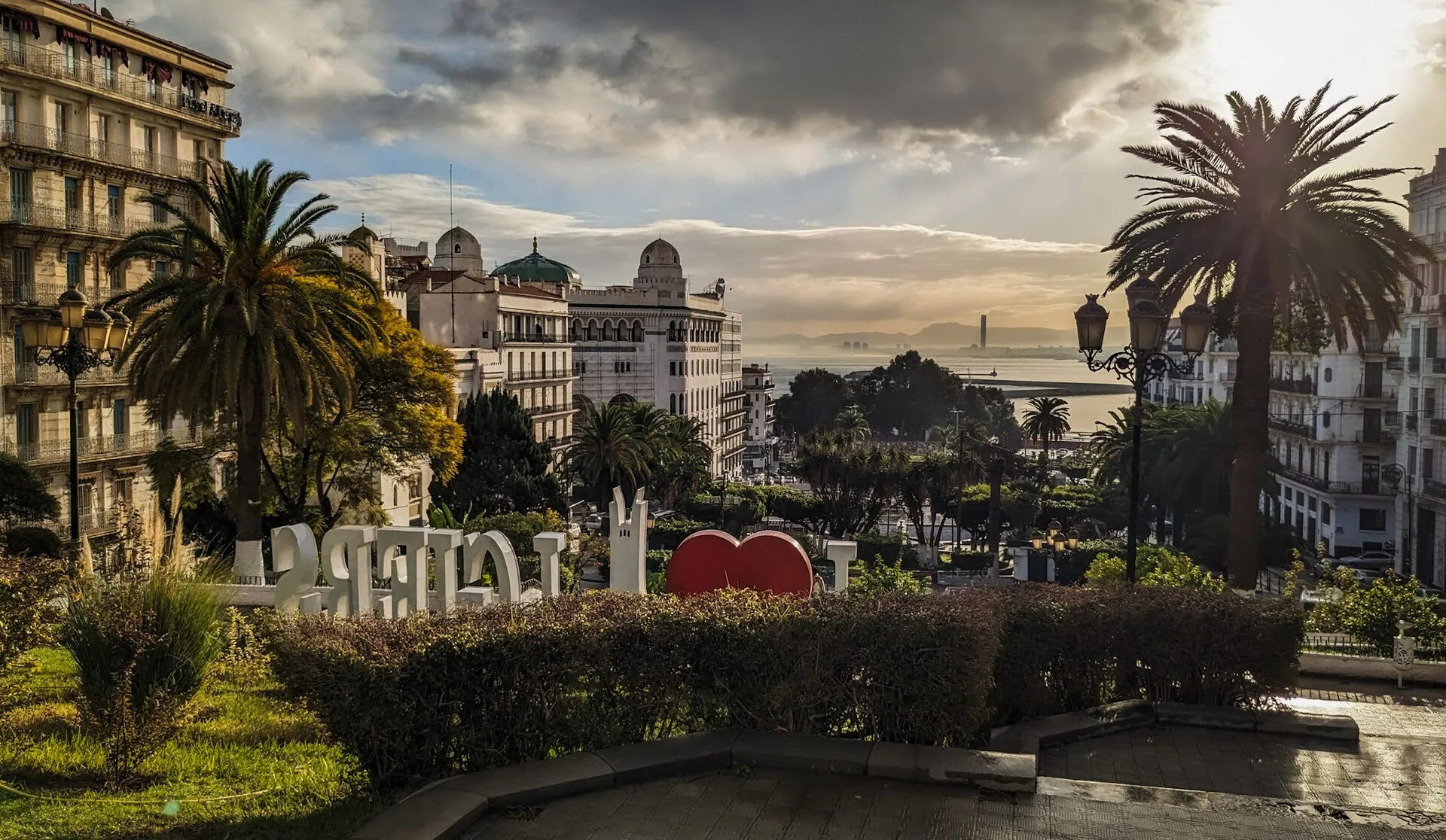
The Gourara region in the south-west includes about 100 oases with over 50,000 inhabitants, UNESCO says. UNESCO, the United Nations cultural body, describes them as of Berber, Arab and Sudanese origin.
Languages and Ethnic Groups
Algeria’s 2020 constitution says in Article 3 that Arabic is the national and official language. Article 4 says Tamazight, the Amazigh or Berber language, is also national and official.
The same article tells the state to promote Tamazight in all its varieties in use across the national territory. It also creates an Algerian academy for the Tamazight language under the president.
The preamble names Islam, Arabism and Amazighism as the fundamental constituents of Algerian identity. The constitution gives no count of how many people belong to each group.
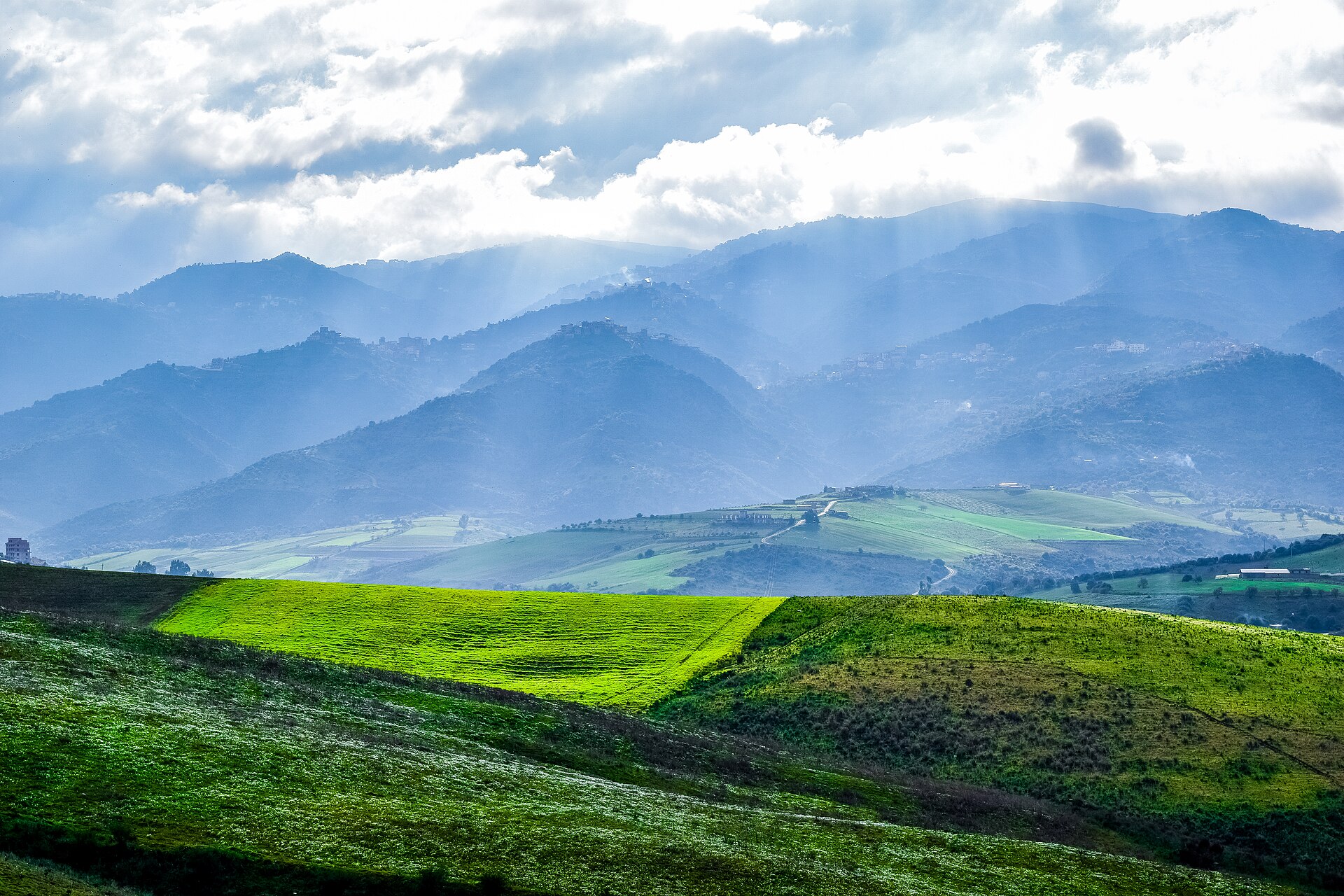
UNESCO says the Ahellil, a poetry and music genre of the Zenete people, belongs to the Berber-speaking part of Gourara. It adds that the Zenete language is at risk of disappearing.
Tuareg communities appear on UNESCO’s lists too. The Imzad, a one-stringed bowed instrument played by women, was inscribed in 2013, in a listing shared with Mali and Niger.
The Sebeiba ritual of Djanet, listed in 2014, is practised by two communities over ten days in the first Islamic month. It is one of several Saharan traditions on the lists.
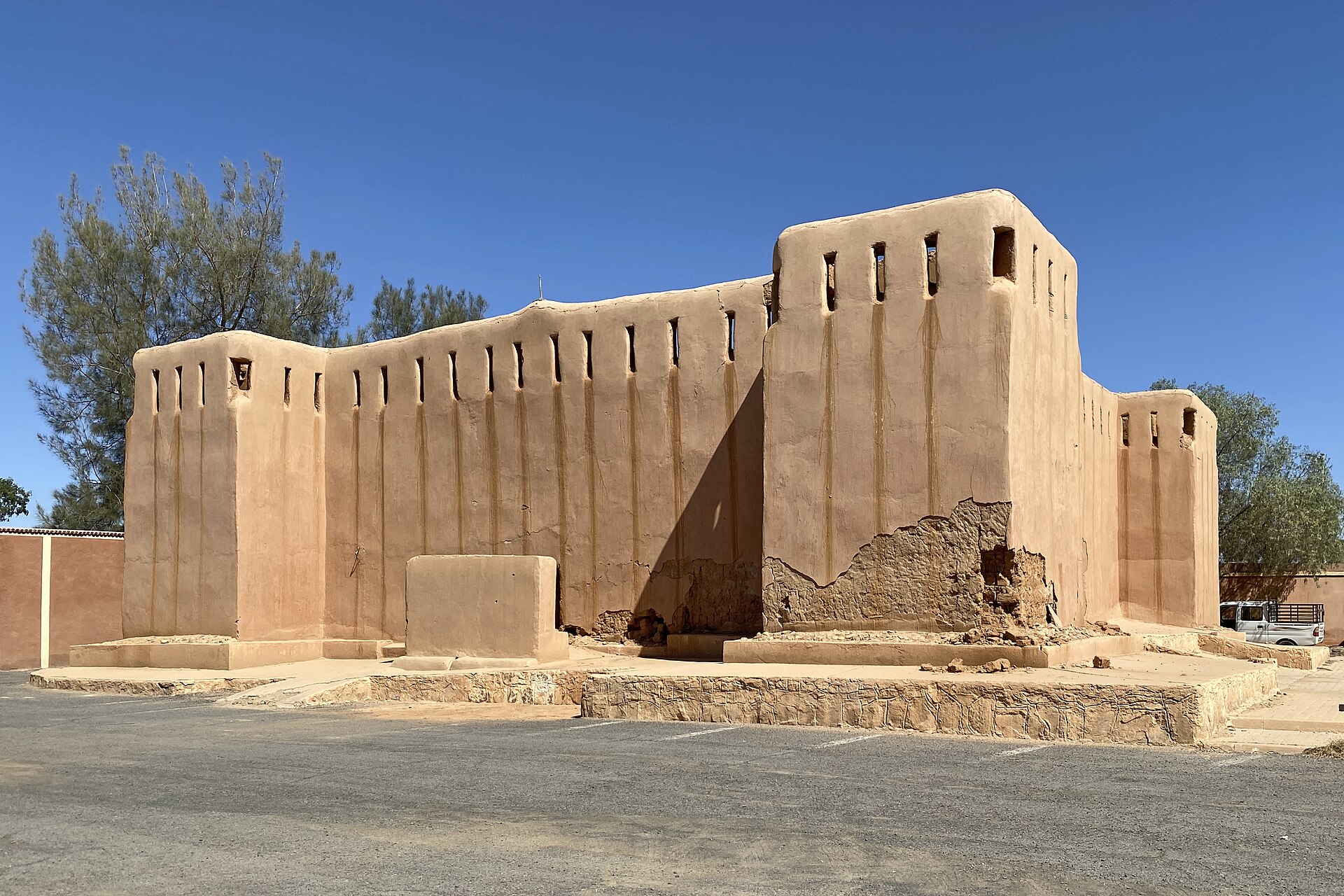
No official ethnic breakdown was found, and outside estimates differ widely. This guide therefore gives no shares for Arab, Kabyle, Chaoui, Mozabite or Tuareg communities.
Yennayer, the Amazigh New Year
Yennayer is the Amazigh new year, marked on 12 January. The then president, Abdelaziz Bouteflika, announced on 27 December 2017 that it would become a paid day off from 12 January 2018.
The government then endorsed an amendment to the law listing legal holidays. State bodies marked Yennayer 2976 in January 2026, and the next Yennayer falls on Tuesday 12 January 2027.
Religion in Algeria
Article 2 of the 2020 constitution says Islam is the religion of the state. Article 51 calls freedom of conscience inviolable and guarantees freedom of worship without discrimination, in compliance with the law.
No primary source reached here gives the share of Muslims or of other faiths among Algerians. UNESCO’s lists include annual pilgrimages to Muslim shrines, such as the Sbua pilgrimage in Gourara.
Migration and the Diaspora
The UN counts 259,458 international migrants living in Algeria in 2024, up from 217,268 in 2010. Net migration was minus 27,531 people in 2025, meaning more people left than arrived.
Personal remittances sent to Algeria were US$1.69 billion in 2025, down from US$1.87 billion in 2023, the World Bank says. Article 29 of the constitution tells the state to protect the identity and dignity of citizens abroad.
UNHCR, the UN refugee agency, counted 9,174 refugees and 12,949 asylum seekers from Algeria across the countries it lists in 2025. Canada hosted the most asylum seekers, 5,965, and France the most refugees, 3,728.
These counts cover only people with refugee or asylum status, not all Algerian-born residents abroad. A total for the Algerian diaspora was not confirmed from a primary source.
Refugees and Asylum Seekers in Algeria
UNHCR counted 180,575 refugees and 3,690 asylum seekers in Algeria in 2025, against 183,368 refugees in 2024. Of the refugees, 173,600 came from Western Sahara.
Syria was the next largest origin, with 5,867 refugees in 2025, down from 8,742 in 2024. Smaller numbers came from Mali, Sudan and the Central African Republic.
UNHCR’s country page could not be opened, so where the Western Sahara refugees live is not described here. The political status of that territory is not addressed in this guide.
How the Groups Live Together
The 2020 constitution says the president embodies the unity of the nation. It also lists Islam, Arabic and Tamazight among the elements that no amendment may undermine.
Daily relations between groups are not measured by any primary source reached here. Surveys of trust, language use or intermarriage were not found.
What It Means for US Readers
In the United States UNHCR counted 115 refugees and 130 asylum seekers from Algeria in 2025, small numbers next to Canada. Algerian-American population figures were not retrieved.
Remittances of US$1.69 billion in 2025 show the scale of the diaspora link. The current State Department travel advice for Algeria was not retrieved, so check travel.state.gov before any trip.
Investors should note that Algeria’s population is young and urban, which bears on demand for housing, food and jobs. The Rio Times economy guide covers the main companies and sectors.
What Is Not Known
The ONS website could not be opened from here. Its own population count, the date of the last census and any ethnic or religious data are therefore not given.
Shares of Arab, Amazigh, Kabyle, Chaoui, Mozabite and Tuareg communities were not found in any primary source reached. Whether Yennayer remains a paid day off in 2027 was not checked against the current legal holiday list.
The number of Algerians living abroad, the number of sub-Saharan migrants and any expulsions were not confirmed. The UN migrant figure counts foreign-born residents only.
Where the Western Sahara refugees live and the political status of that territory were not examined. No prediction market on Algerian demography was found.
Frequently Asked Questions
How many people live in Algeria?
The UN Population Division estimates 47,435,312 people on 1 July 2025, up from 46,814,308 a year earlier. Growth was about 1.3% in 2025.
Is Algeria’s population young?
In 2025, 29.9% of Algerians were aged 0 to 14 and 6.8% were 65 or older. The median age was 28.6 years.
How urban is Algeria?
In 2025, 75.8% of Algerians lived in urban areas, the World Bank says. Average density was 19.7 people per square kilometre in 2024.
Which languages are official in Algeria?
Arabic is the national and official language, and Tamazight is also national and official under the 2020 constitution. The state must promote Tamazight in all its varieties.
When is the Amazigh new year in Algeria?
Yennayer falls on 12 January, a paid day off since 2018. The next one is Tuesday 12 January 2027.
What is the state religion of Algeria?
Islam is the religion of the state under Article 2 of the 2020 constitution. Article 51 guarantees freedom of worship in compliance with the law.
How many refugees does Algeria host?
UNHCR counted 180,575 refugees and 3,690 asylum seekers in Algeria in 2025. Of the refugees, 173,600 came from Western Sahara.
Sources: UN DESA, World Population Prospects 2024 ; World Bank, population, total ; World Bank, population growth ; World Bank, population ages 0-14 ; World Bank, population ages 65 and above ; World Bank, urban population ; World Bank, life expectancy ; World Bank, fertility rate ; World Bank, net migration ; World Bank, international migrant stock ; World Bank, personal remittances received ; UNHCR, refugees in Algeria ; UNHCR, people from Algeria ; Constitute Project, Algeria 2020 constitution (English text) ; UNESCO, Ahellil of Gourara ; UNESCO, Imzad ; UNESCO, Sebeiba in Djanet ; UNESCO, Algeria living-heritage elements (all accessed on 3 November 2026).
This article was produced by The Rio Times’ automated newsroom system. How we use AI · Report an error · Editorial responsibility: Matthias Camenzind, Editor-in-Chief
Expat Guide to Algeria
What The Rio Times publishes for foreigners who live in or move to Algeria.
Understand Algeria