
Key Facts
- What. Algeria’s election authority (ANIE) approved 5,995 candidate lists for municipal and provincial councils.
- Change. That is 70 fewer than the 6,065 lists filed, which ANIE counted in October.
- When. Voting is on Saturday, Nov. 28, 2026; the campaign runs until Tuesday, Nov. 24.
- Campaign. Officials counted more than 27,000 local rallies and meetings in the first campaign week.
- Not known. How many individual candidates were dropped, and when official results will be published.
Algeria’s election authority says 5,995 candidate lists are cleared to run in the Nov. 28 local elections, 70 fewer than it counted in October. Voters in Africa’s largest country by area will choose their municipal and provincial councils on Saturday, Nov. 28.
Mohamed Lahcene Zeghidi, vice-president of the National Independent Authority for Elections (ANIE), gave the figure at a press conference in Algiers on Thursday, Nov. 12. ANIE is the state body that organises and supervises Algerian elections.
Where the Count Stands
Zeghidi said the approved lists split into 5,568 for communal councils (known as APC, the town and city councils) and 427 for provincial councils (APW, the assemblies of each wilaya, or province). That is 63 fewer communal lists and 7 fewer provincial ones than the lists ANIE counted in October.
ANIE’s first count, reported on Oct. 12, showed 5,631 communal and 434 provincial lists, 6,065 in all. At that stage it listed 141,388 communal and 21,476 provincial candidates, 162,864 in total.
The press conference reports do not say why the count fell. ANIE has not published a full count of excluded candidates, so we cannot say how the 70-list gap splits between rejections and withdrawals.
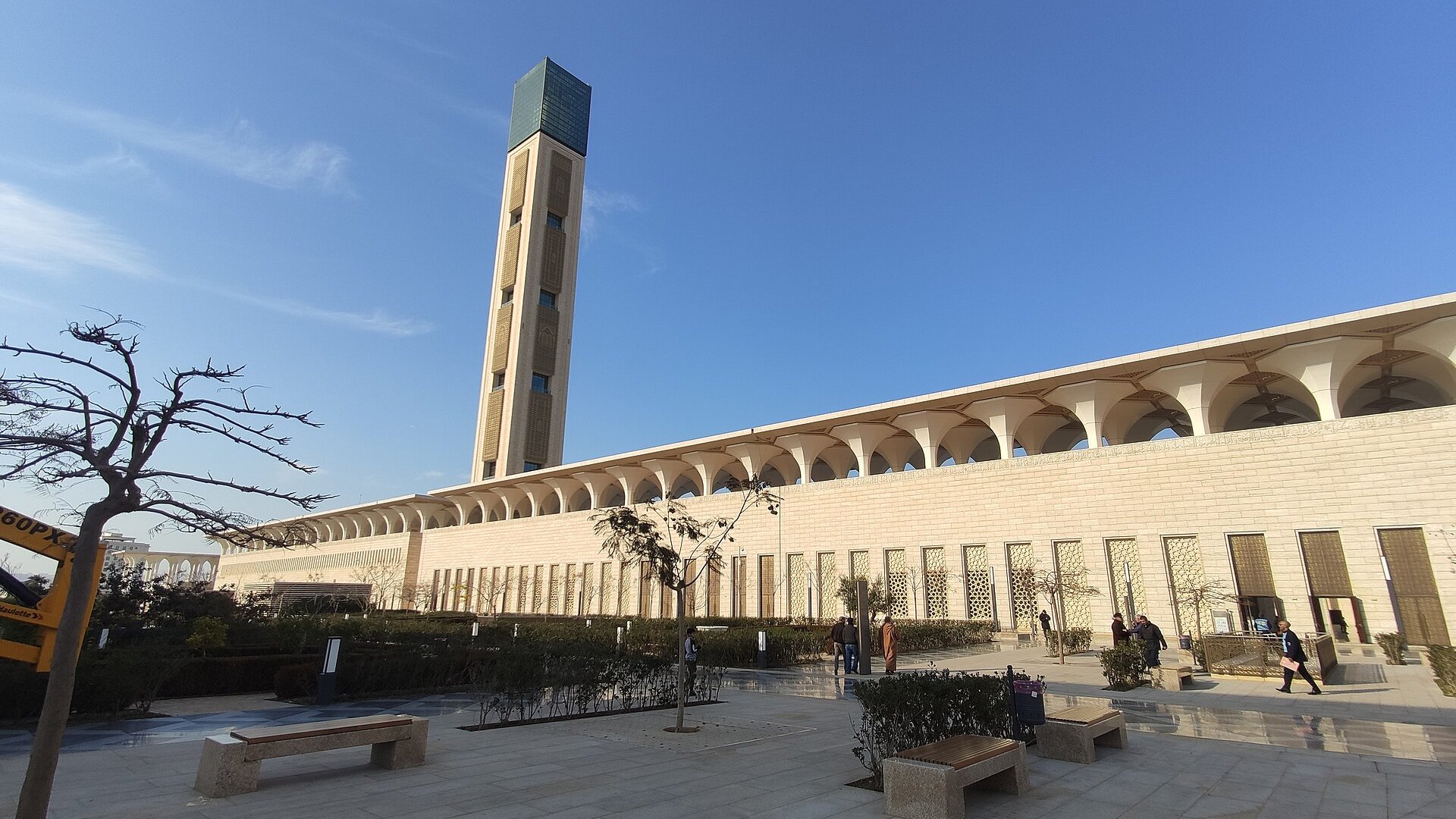
The Campaign So Far
The campaign opened on Thursday, Nov. 5 and ends on Tuesday, Nov. 24. Zeghidi said officials logged more than 27,000 neighbourhood meetings and rallies in the first week, a figure that comes from him and that we could not check independently.
He also said candidates had used 1,817 of 21,356 free television and radio slots, about 8.5%. Television use was higher at 163 of 800 slots (20.4%), and ANIE urged parties and independent lists to book their remaining time.
Who Can Vote
ANIE put the electorate inside Algeria at 24,236,959 after the voter-roll revision that closed in September. That list was reported on Oct. 12 and does not include voters abroad.
The election was called by presidential decree no. 26-284 of Aug. 29, issued by the Algerian presidency. The voter-roll revision ran from Sept. 6 to Sept. 17.
What It Means for US Readers
Local councils decide little in foreign policy, but they run the towns where Algeria’s 24 million voters live. Algeria is a large gas exporter to Europe, as our report on its October LNG exports shows, so the stability of its politics matters to energy buyers.
Our explainer on who holds power in Algeria sets out how these councils fit into the national system. See also our Algeria coverage.
What to Watch Next
The campaign closes on Tuesday, Nov. 24, and Algerians vote on Saturday, Nov. 28. We found no official date for provisional results.
What Is Not Known
We do not know how many individual candidates were excluded, or how the 70-list drop splits between rejections and withdrawals. We also could not confirm when ANIE will publish provisional results or how appeals will be handled.
Frequently Asked Questions
When are Algeria’s local elections?
Algerians vote on Saturday, Nov. 28, 2026 for municipal and provincial councils. The campaign runs from Nov. 5 to Nov. 24.
How many lists will run in Algeria’s local elections?
ANIE approved 5,995 lists: 5,568 for communal councils and 427 for provincial councils. Its first count in October was 6,065.
How many Algerians can vote?
ANIE reported 24,236,959 voters on the list inside Algeria after the revision closed. Voters abroad are not included in that figure.
Sources: ANIE press conference of Nov. 12, 2026, and ANIE’s first candidacy tally of Oct. 12, 2026; presidential decree no. 26-284 of Aug. 29, 2026; ANIE voter-roll revision report of Oct. 12, 2026.
This article was produced by The Rio Times’ automated AI newsroom. Editorial responsibility: Matthias Camenzind, Publisher and Editor-in-Chief. The Rio Times also runs Ask Rio Times, which answers from 100,000+ of our own articles, the daily Latin America Power Map, and prediction-market odds on elections and markets.. How we use AI · Report an error