Kenya-Drafted Course Aims to Make Africa’s Ferries and Tourist Boats Safer
Kenya · MARITIME
Key Facts
- —The country Kenya, East Africa’s main port nation, has about 57.5 million people and an economy of roughly US$136 billion, under half a percent of America’s (World Bank, 2025).
- —Why it matters Small passenger boats, ferries and tourist launches carry millions on Lake Victoria, Lake Malawi and the Indian Ocean coast. Training and licensing rules for their operators differ sharply between countries.
- —Why now In late September 2026, maritime officials meeting in Mombasa, Kenya’s port city, validated a common regional training course for small-boat operators, with minor amendments.
- —What happened Kenya’s Bandari Maritime Academy wrote the “Coxswain Grade 3” curriculum for MOESNA, a regional maritime body with nine member states and headquarters in Mombasa.
- —Who is involved MOESNA members include Kenya, Tanzania, Uganda, Zambia, Ethiopia, Malawi, Botswana, Burundi and the Democratic Republic of Congo. A coxswain is the person in charge of a small boat.
- —What it means for you Travellers using ferries, island boats or safari launches in the region may in time ride with operators trained to one shared minimum standard.
- —Still open No adoption deadline has been announced. Each member state must still write the standard into its own law and enforce it.
Kenya is leading a push to give small-boat operators across nine African states the same basic boat operator training. Maritime officials in Mombasa have validated a shared course that could make ferries and tourist boats in the region safer.
The Maritime Organisation for Eastern, Southern and Northern Africa (MOESNA) is an intergovernmental body based in Mombasa, Kenya. It wants every member state to train and certify the operators of small vessels, known as coxswains, to one common standard.
Kenya’s state-run Bandari Maritime Academy (BMA) wrote the proposed course. Stakeholders in Mombasa validated it with minor amendments, MOESNA said in posts on 22 and 23 September 2026.
Who is behind the plan
MOESNA began in 1967 as the Intergovernmental Standing Committee on Shipping, set up by Kenya, Tanzania, Uganda and Zambia. It took its current name in 2024 and is led by Secretary General Kassim Mpaata.
Its members are Kenya, Tanzania, Uganda, Zambia, Ethiopia, Malawi, Botswana, Burundi and the Democratic Republic of Congo. Several are landlocked but depend on lake transport or on Kenyan and Tanzanian ports.
In August 2025 MOESNA sought consultants for a “harmonized and competency-based” coxswain curriculum. Its terms of reference covered inland and coastal small-vessel operators, and their training, testing and licensing.
A fragmented training landscape
Before writing the course, BMA ran a situational analysis and training-needs assessment across member states. Its findings were presented to regulators, port authorities and training schools in May 2026.
BMA official Enock Okemwa said the study revealed “notable disparities” in training standards, certification, safety compliance and skills. Participants linked avoidable accidents on the region’s waterways to weak training and the lack of shared rules.
According to Kenya’s Standard newspaper, some countries rely on formal maritime schools, others on short courses or on-the-job experience. It reported that Kenya was the only reviewed country with a confirmed structured coxswain curriculum.
What the course would teach
The proposed Grade 3 course is the entry level of boat operator training. It covers navigation, collision avoidance, radio and distress procedures, first aid, firefighting and emergency response.
Students would also learn about weather, vessel stability, safe loading, passenger safety, search and rescue, pollution prevention and maritime law. The aim is certification based on skills a candidate can actually demonstrate.
The wider framework, as reported by The Standard, would add tiered certificates, mutual recognition between countries and regional centres of excellence. It would also recognise skills that experienced boatmen learned informally.
Kenya’s regulatory head start
Kenya already sets graded coxswain certificates in law. Its Merchant Shipping (Training and Certification) Regulations of 2016 create Grade 3, Grade 2 and Grade 1 certificates of proficiency.
Under Kenyan rules, as The Standard summarised them, candidates must be 18 or older and pass theory and practical exams. The rules sit under the country’s Merchant Shipping Act of 2009.
The Standard also reported that MOESNA is drafting a model merchant shipping law for states whose rules are thin. That would give them a ready-made legal template to adapt.
Why safety is the real stake
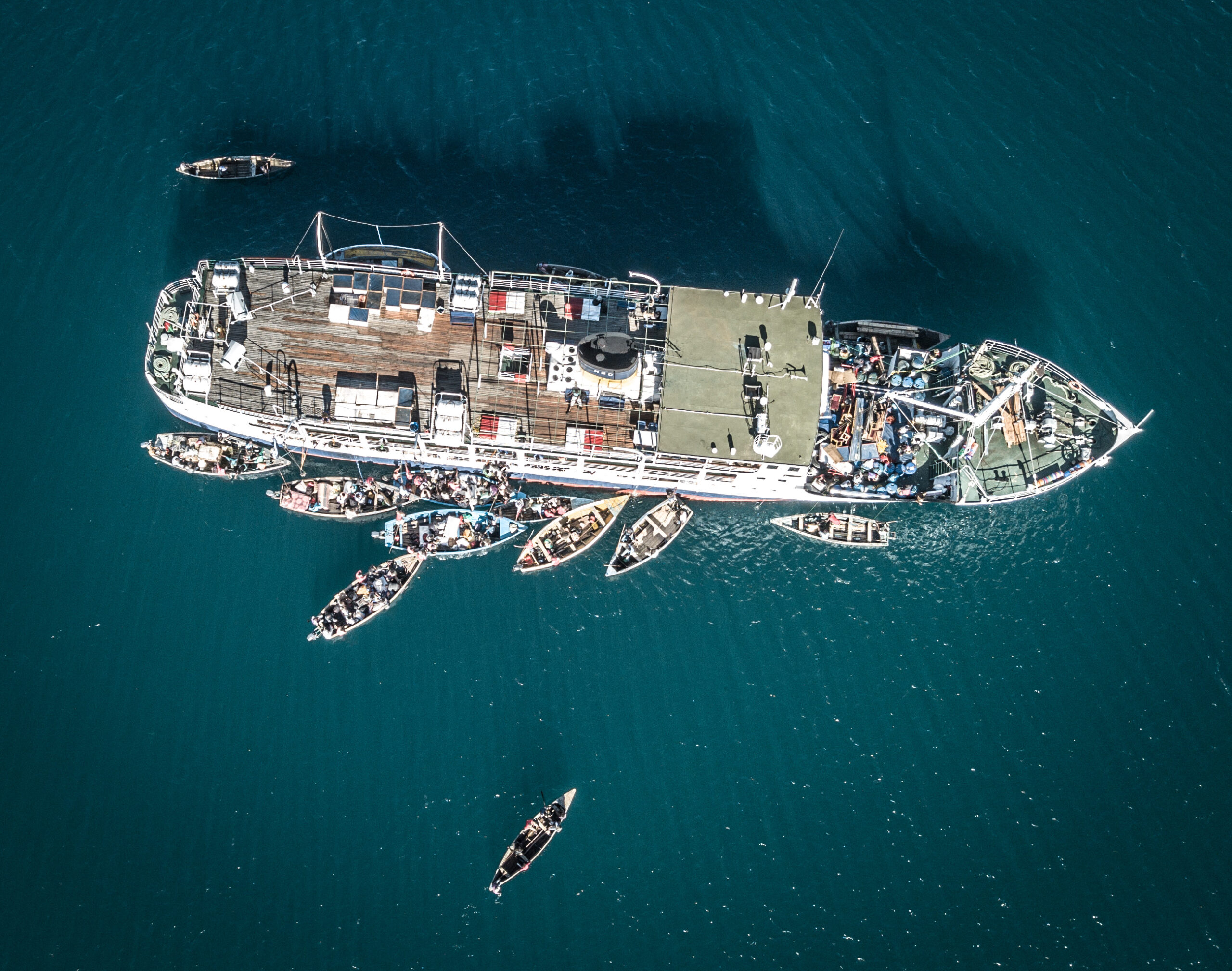
Small boats are the buses of many African lakes and coasts. They carry traders, fishermen, schoolchildren and tourists, often with few checks on who is steering.
Kenyan maritime commentators have argued that the legal framework exists but that the casualty record shows it is not yet enough. Writing rules is one step; examining and policing operators is harder.
Malawi shows the wider weakness of lake transport. Its 75-year-old MV Ilala ferry still sails, though it lost some of its boats mid-voyage in June 2026.
What it means for travellers and businesses
For visitors, the change would be gradual and mostly invisible. Over time, operators of ferries, island boats and safari launches in member states could hold comparable certificates.
For ferry, tourism and fishing businesses, mutual recognition could make it easier to hire a qualified operator from a neighbouring country. Accredited training schools and assessment centres could also see new demand.
What to watch next
MOESNA has not announced a deadline for member states to adopt the Grade 3 course. Each government must still fold it into national law and set up examinations.
The real test is enforcement on busy lakes and coasts. Shared boat operator training only works if regulators check certificates and keep unqualified operators off the water.
Frequently Asked Questions
What is a coxswain?
A coxswain is the person in charge of a small vessel, such as a ferry launch, tourist boat or fishing boat. The new regional course sets a common entry-level standard for these operators.
Which countries are part of the plan?
The plan comes from MOESNA, whose members are Kenya, Tanzania, Uganda, Zambia, Ethiopia, Malawi, Botswana, Burundi and the Democratic Republic of Congo. Each must adopt the course in its own law.
Why is Kenya leading the effort?
Kenya hosts MOESNA in Mombasa, and its Bandari Maritime Academy wrote the course. Kenya already has graded coxswain certificates under its 2016 training and certification regulations.
When will the new standard apply?
No date has been set. The course was validated in Mombasa in September 2026, and national adoption and enforcement are the next steps.
Connected Coverage
Sources
- The Standard (Kenya), 1 October 2026
- MOESNA: regional coxswain curriculum validated in Mombasa
- Bandari Maritime Academy: training-needs assessment findings
- Bandari Maritime Academy: stakeholders’ forum concludes
- MOESNA: terms of reference for the regional coxswain curriculum
- Maritime Business Review: Kenya’s coxswain training rules
- Malawi24: MV Ilala scare rekindles fears (21 June 2026)
- World Bank: Kenya data
This article was produced by The Rio Times’ automated newsroom system. How we use AI · Report an error
LatAm Markets: Live Signals → — real-time movers, turnover leaders and FX across Latin America.
Read More from The Rio Times