IBOV 188,268.59 ▲ 1.42% IPSA 11,238.63 ▼ 1.16% IPC MEX 64,499.43 ▼ 0.49% MERVAL 3,157,852 ▲ 1.53% COLCAP 2,626.71 ▲ 1.65% BVL PERÚ 60,702.89 ▼ 2.19% USD/BRL5.10▼ 0.10% USD/MXN16.98▲ 0.51% USD/CLP940.47▲ 1.38% USD/COP3,088▼ 0.94% USD/PEN3.36▲ 0.07% USD/ARS1,513▼ 0.08% USD/UYU40.24▲ 3.05% USD/PYG5,868▲ 2.26% USD/BOB12.36▲ 1.91% USD/DOP58.63▲ 0.22% USD/CRC447.58▲ 1.69% USD/GTQ7.63▲ 3.04% USD/HNL26.85▲ 0.57% USD/NIO36.62▲ 0.34% USD/VES830.41▲ 0.45% USD/PAB1.00— 0.00% USD/BZD2.00— 0.00% USD/JMD 157.28 — 0.00% USD/TTD6.73▲ 2.40% EUR/BRL5.92▲ 0.30% BRENT 88.88 ▼ 0.03% WTI 83.11 ▼ 0.11% IRON ORE 161.91 — — COPPER 6.61 ▲ 0.03% GOLD 4,461 ▲ 1.78% SILVER 65.59 ▲ 1.26% SOY 1,184 ▲ 3.20% CORN 480.50 ▲ 10.02% WHEAT 655.00 ▲ 3.93% COFFEE 317.25 ▼ 5.51% SUGAR 16.43 ▼ 1.79% ORANGE JUICE 138.55 ▼ 0.47% COTTON 85.03 ▲ 2.33% COCOA 5,719 ▲ 3.18% BEEF 223.60 ▼ 3.93% CATTLE 339.10 ▼ 3.16% LITHIUM 75.20 ▲ 1.47% PETR4 41.64 ▼ 0.05% VALE3 72.97 ▲ 0.83% ITUB4 38.60 ▼ 1.03% BBDC4 16.85 ▲ 0.36% ABEV3 14.89 ▼ 0.80% BBAS3 19.37 ▲ 0.47% B3SA3 14.26 ▼ 0.21% WEGE3 47.59 ▲ 0.49% PRIO3 59.14 ▼ 0.19% SUZB3 41.33 ▲ 2.35% RENT3 34.68 ▼ 0.09% AZZA3 15.89 ▼ 2.63% CSAN3 3.22 ▼ 1.83% RAIZ4 0.25 — 0.00% PCAR3 2.75 ▼ 0.36% GMAT3 3.65 ▼ 1.08% PSSA3 48.13 ▼ 0.54% CVCB3 1.33 ▼ 2.92% POSI3 3.36 ▲ 2.44% SLCE3 13.34 ▲ 0.30% NATU3 8.14 ▼ 0.73% IBOV 188,268.59 ▲ 1.42% IPSA 11,238.63 ▼ 1.16% IPC MEX 64,499.43 ▼ 0.49% MERVAL 3,157,852 ▲ 1.53% COLCAP 2,626.71 ▲ 1.65% BVL PERÚ 60,702.89 ▼ 2.19% USD/BRL 5.16 ▲ 0.01% USD/MXN 17.06 ▼ 0.24% USD/CLP 913.98 ▲ 0.04% USD/COP 3,140 ▲ 0.03% USD/PEN 3.36 ▼ 0.66% USD/ARS 1,493 ▲ 0.10% USD/UYU 40.27 ▲ 1.24% USD/PYG 5,939 ▲ 1.68% USD/BOB 11.64 ▼ 0.76% USD/DOP 58.34 ▲ 1.25% USD/CRC 445.92 ▲ 0.89% USD/GTQ 7.62 ▲ 2.21% USD/HNL 26.79 ▲ 1.57% USD/NIO 36.62 ▲ 0.69% USD/VES 762.44 ▼ 0.13% USD/PAB 1.00 — 0.00% USD/BZD 2.00 — 0.00% USD/JMD 157.28 — 0.00% USD/TTD 6.70 ▲ 0.61% EUR/BRL 5.95 ▲ 1.01% BRENT 88.88 ▼ 0.03% WTI 83.11 ▼ 0.11% IRON ORE 161.91 — — COPPER 6.61 ▲ 0.03% GOLD 4,461 ▲ 1.78% SILVER 65.59 ▲ 1.26% SOY 1,184 ▲ 3.20% CORN 480.50 ▲ 10.02% WHEAT 655.00 ▲ 3.93% COFFEE 317.25 ▼ 5.51% SUGAR 16.43 ▼ 1.79% ORANGE JUICE 138.55 ▼ 0.47% COTTON 85.03 ▲ 2.33% COCOA 5,719 ▲ 3.18% BEEF 223.60 ▼ 3.93% CATTLE 339.10 ▼ 3.16% LITHIUM 75.20 ▲ 1.47% PETR4 41.64 ▼ 0.05% VALE3 72.97 ▲ 0.83% ITUB4 38.60 ▼ 1.03% BBDC4 16.85 ▲ 0.36% ABEV3 14.89 ▼ 0.80% BBAS3 19.37 ▲ 0.47% B3SA3 14.26 ▼ 0.21% WEGE3 47.59 ▲ 0.49% PRIO3 59.14 ▼ 0.19% SUZB3 41.33 ▲ 2.35% RENT3 34.68 ▼ 0.09% AZZA3 15.89 ▼ 2.63% CSAN3 3.22 ▼ 1.83% RAIZ4 0.25 — 0.00% PCAR3 2.75 ▼ 0.36% GMAT3 3.65 ▼ 1.08% PSSA3 48.13 ▼ 0.54% CVCB3 1.33 ▼ 2.92% POSI3 3.36 ▲ 2.44% SLCE3 13.34 ▲ 0.30% NATU3 8.14 ▼ 0.73%
since 2009
Thursday, September 10, 2026

Africa Southern Africa

Zimbabwe Crisis Unfolding: Majority of Expected Harvest Failing

By · August 23, 2024 · 2 min read

Africa Intelligence

One email, every weekday morning. African markets, politics and business — filed from our newsroom in Rio.

Yesterday’s subject line: “Nigeria's Dangote signs for Africa's biggest IPO ever”

Free. We send a confirmation link first — nothing arrives until you click it. Unsubscribe with one click in any edition. If you stop opening us for 30 days we stop sending by ourselves, as we assume the interest is no longer there. See our privacy policy. We never share your email.

Zimbabwe is currently facing a significant drought, worsened by the El Niño weather pattern, which has sharply reduced agricultural productivity, crucial for its economy.

Agriculture not only provides food but also employment for over half of the population. With the majority of expected harvests failing, the country is confronting a serious shortage of food that affects approximately 7.6 million people.

This situation has led to widespread hunger and severe food insecurity. Forecasts indicate that nearly 6 million people will face critical food shortages by the beginning of next year.

Consequently, poverty rates have soared, affecting around 42% of the population. The impact extends across various sectors.

The educational system is particularly affected, as tens of thousands of children have left school to work and help their families.
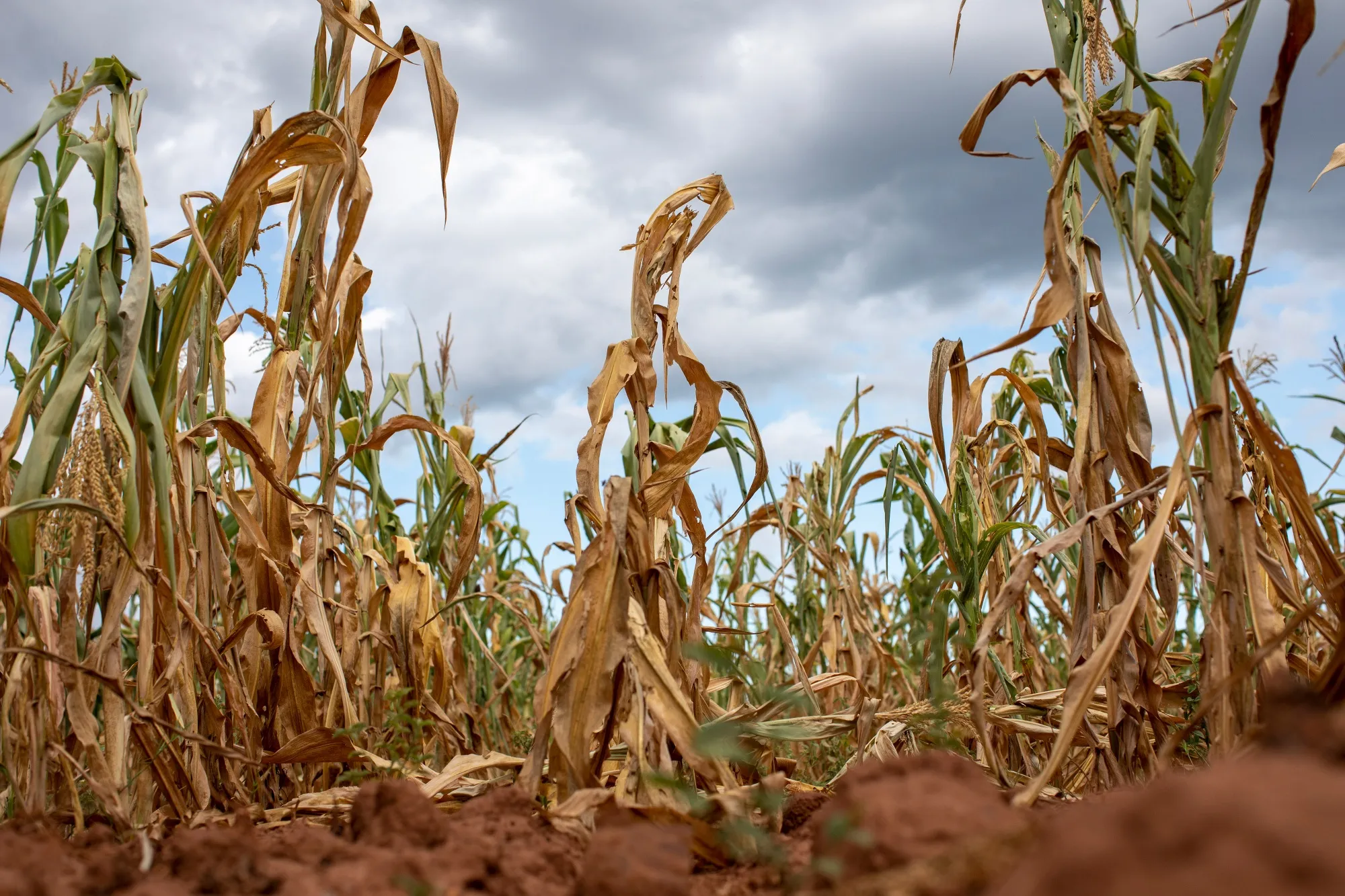
Zimbabwe Crisis Unfolding: Majority of Expected Harvest Failing
Zimbabwe Crisis Unfolding: Majority of Expected Harvest Failing.
One-stop reference
Company Intelligence
Every listed company in Latin America — financials, ownership and structure for 1,450+ companies across 26 exchanges, in one place.
Browse the directory →
RT
Ask Rio Times
17 years of Latin America reporting, on demand.
Open the full Ask Rio Times →

This disruption threatens the long-term educational prospects and development of these children. Health risks are also increasing, with malnutrition and stunted growth affecting 27% of children.

Additionally, the drought has severely impacted the water supply, leaving many communities without access to clean water.

This scarcity has led to outbreaks of cholera and other waterborne diseases, putting further pressure on healthcare resources.

Despite the Zimbabwean government declaring a state of disaster and the United Nations initiating aid efforts, the response has been insufficient.

The humanitarian appeal is critically underfunded, with only 11% of the required funds received. This indicates a lack of adequate international support for Zimbabwe’s escalating crisis.

However, China and Japan have stepped in to provide emergency food assistance to the country.

The Chinese ambassador to Zimbabwe, Zhou Ding, handed over 1,760 metric tons of rice to President Emmerson Mnangagwa at a ceremony in Harare on Thursday.

Background

The crisis in Zimbabwe stems from multiple sources, including government mismanagement. Notably, land reform policies disrupted skilled agriculture and reduced productivity.

Economic instability, marked by hyperinflation and underinvestment, further compounds these challenges.

Additionally, climate change, specifically altered weather patterns such as El Niño, exacerbates drought conditions, diminishing crop yields and water availability.

The situation is also impacted by inadequate international support, which hinders effective crisis management and relief efforts.

Addressing this complex crisis requires a coordinated approach that spans local governance improvements, economic stabilization, and enhanced global cooperation.

This article was produced by The Rio Times’ automated newsroom system. How we use AI · Report an error

Part of our ongoing coverage

Africa: The New Scramble — the great-power contest over the continent.

More from Southern Africa

Read More from The Rio Times

The Rio Times · Power Map
See who really holds power in Latin America
Click to open the Power Map

Rotate for Best Experience

This report is optimized for landscape viewing. Rotate your phone for the full experience.