Kenya’s Nuclear Ambition: A New Chapter in Energy Strategy
Kenya plans to construct its first nuclear power plant by 2034. This marks a pivotal shift in its energy strategy. The country prepares to host a US-Africa summit on nuclear energy.
The plant, costing an estimated $3.9 billion, will have a capacity of 1,000 megawatts. It will be located on the Indian Ocean coast.
This choice has sparked concerns among local activists and residents. They worry about potential safety and environmental risks.
Why Nuclear Power?
Kenya’s energy demand is rising due to economic growth. Currently, the country generates about 90% of its electricity from renewables.
These include geothermal, hydroelectric, wind, and solar power. President William Ruto aims to increase this figure to 100% by 2030.
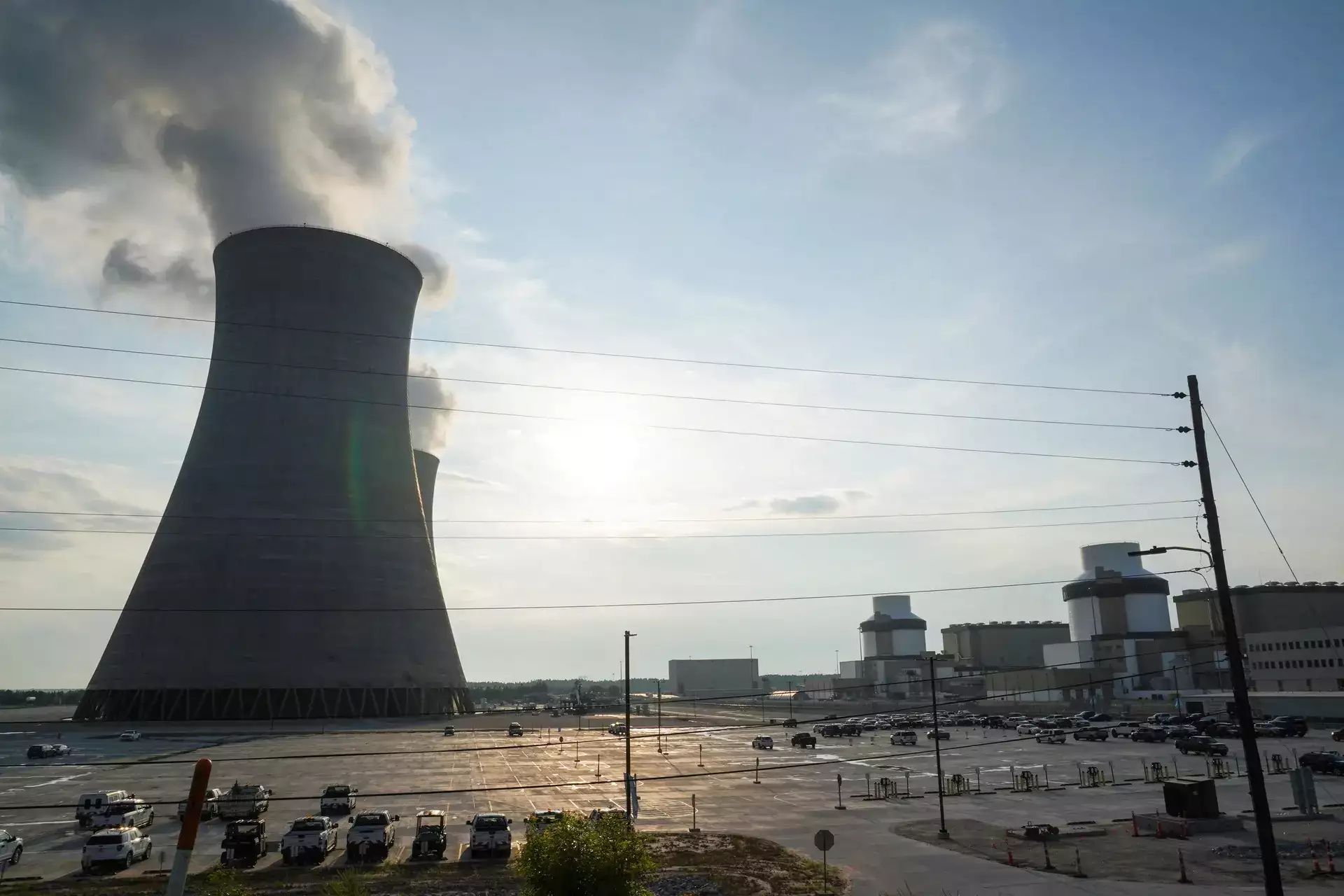
However, the government views nuclear energy as vital, citing its role in enhancing energy security, cutting carbon emissions, and generating employment opportunities.
Prime Cabinet Secretary Musalia Mudavadi emphasized nuclear technology’s role. It is part of Kenya‘s sustainable energy strategy.
Additionally, the government plans to commission a research reactor by the early 2030s. This will support the nuclear initiative.
Kenya’s nuclear plans face significant opposition. The Kenya Anti-Nuclear Alliance advocates for renewable energy expansion.
In addition, they argue that it is safer and more sustainable. Critics express concerns about tourism, local livelihoods, and marine life. These issues remain central to the debate.
Africa’s Nuclear Landscape
Kenya is not alone in its nuclear ambitions. South Africa is the only African country with an operational nuclear power plant. However, several other nations are exploring nuclear energy:
- Egypt is constructing the El Dabaa Nuclear Power Plant with Russia’s Rosatom.
- Nigeria is considering small modular reactors to address its energy gap.
- Rwanda partnered with a Canadian-German startup for an experimental nuclear reactor. It also plans mini-reactors with a US company.
In addition, these projects reflect a broader trend in Africa. Countries increasingly view nuclear energy as a means to diversify energy sources. It enhances energy security across the continent.
Conclusion
Kenya’s decision to pursue nuclear energy represents a significant development. The project aims to address energy security and environmental goals.
However, it faces considerable challenges, including public opposition and environmental concerns.
As Kenya moves forward, balancing these factors will be crucial. Achieving a sustainable energy future remains a priority.
More: Kenya news in English, every day from The Rio Times.
This article was produced by The Rio Times’ automated newsroom system. How we use AI · Report an error · Editorial responsibility: Matthias Camenzind, Editor-in-Chief
Part of our ongoing coverage
Africa: The New Scramble — the great-power contest over the continent.