Zambia Opens Talks With IMF on New Loan After US$1.7 Billion Deal Ended
Zambia · ECONOMY
Key Facts
- —The country Zambia is a landlocked southern African state of about 21.9 million people. Its economy, about US$29 billion in 2025 per the World Bank, is smaller than that of the US state of Vermont. It is Africa’s second-largest copper producer.
- —Why it matters In 2020 Zambia defaulted on its foreign debt. It became the test case for the Group of 20 (G20) Common Framework, the system for restructuring poor countries’ debts.
- —Why now Zambia’s last International Monetary Fund (IMF) loan, worth about US$1.7 billion, expired in January 2026. President Hakainde Hichilema began a second term on 1 September after a disputed election.
- —What happened An IMF mission began talks in Lusaka this week on a new programme. It is due to stay until Saturday 10 October 2026.
- —The numbers The previous Extended Credit Facility (ECF), a long-term IMF loan for poor countries, began in August 2022. It grew from about US$1.3 billion to US$1.7 billion.
- —What it means for you An IMF deal anchors budget discipline and reassures lenders. Investors in mining, energy and trade will watch its tax and exchange-rate conditions.
- —Still open The size, length and timing of any deal are unknown. An IMF spokesperson said it was premature to speculate on timing or outcomes.
Zambia, the copper-rich southern African country that defaulted in 2020, has opened talks with the International Monetary Fund on a new loan. The government wants a deal before the year ends.
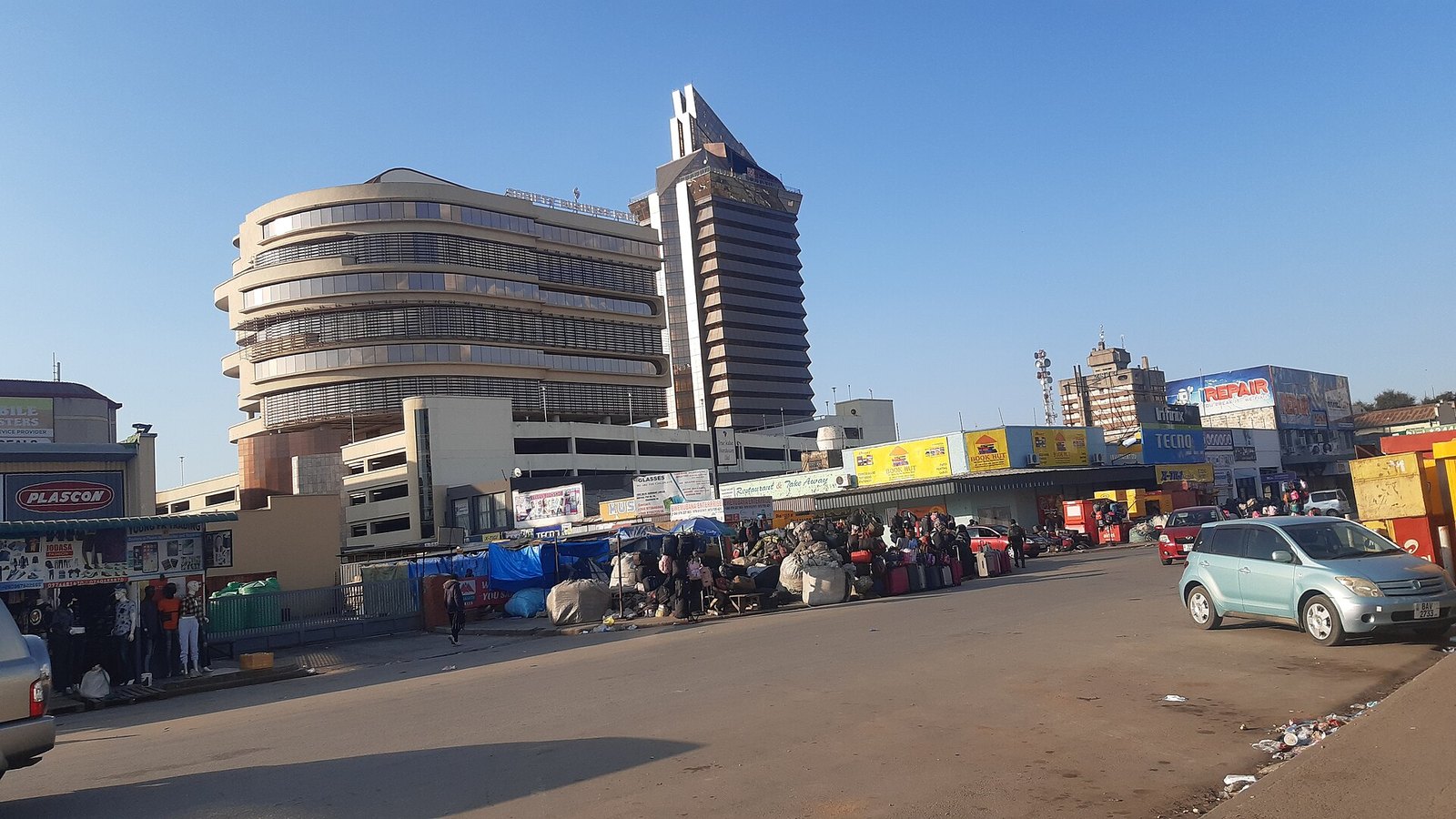
The Zambia IMF talks on a successor loan programme began in Lusaka this week. The country’s last International Monetary Fund (IMF) loan expired in January 2026.
The mission is led by Edward Gemayel, the IMF’s mission chief for Zambia, and is due to stay until 10 October. Finance Minister Situmbeko Musokotwane leads the government side.
What both sides say they want
The Finance Ministry said a new programme would preserve economic and debt stability. It added that the emphasis would shift towards private-sector growth, exports, diversification, investment and jobs.
Mr Musokotwane said the aim was to build on restored stability while speeding up investment, exports and jobs, News Diggers reported. The government hopes to finalise a deal before the end of 2026.
An IMF spokesperson told Reuters the talks focus on fiscal and debt sustainability, building foreign-currency reserves and more inclusive, private-sector-led growth. “Discussions are ongoing, and it would be premature to speculate on timing or outcomes,” the spokesperson said.
The ministry said the talks also cover the 2027 national budget and the 2027–29 medium-term budget plan. The central Bank of Zambia and the Zambia Revenue Authority, the tax agency, take part.
The scale of the last IMF loan
The previous Extended Credit Facility (ECF) was approved on 31 August 2022. An ECF is a multi-year, low-interest IMF loan for poor countries, paid out in instalments after regular reviews.
The original arrangement was worth SDR978.2 million, about US$1.3 billion at the time. Special Drawing Rights (SDRs) are the IMF’s own reserve unit, based on a basket of major currencies.
In June 2024 the IMF raised the loan to SDR1.27 billion, about US$1.7 billion, after a severe drought hit farming and hydropower. The arrangement, first set at 38 months, expired in January 2026.
The successor talks are therefore not a fresh start. They continue an IMF-backed framework that has shaped Zambian policy for more than four years.
Why Zambia’s debt story matters abroad
In November 2020 Zambia became the first African country to default during the pandemic. It then became the test case for the G20 Common Framework, created to restructure poor countries’ debts.
The process was slow, partly because creditors disagreed on how to share losses. China, Zambia’s largest bilateral creditor, co-chairs the committee of official creditors with France.
A deal with official creditors was followed by an exchange of Zambia’s international bonds, completed in June 2024. That exchange cut the debt burden and extended repayment dates.
The IMF’s July 2025 review projected public debt falling from about 124% of economic output in 2024 to about 92% in 2025. A new programme would aim to keep that path on track.
Copper, politics and the next five years
Zambia is Africa’s second-largest copper producer after the Democratic Republic of Congo. Copper is vital for power grids, electric vehicles and data centres, which draws Western, Chinese and Gulf investors.
The government targets average growth of 7% over three years, Reuters reported. The IMF had projected growth of 6.4% for 2026 in its July 2025 review.
The talks follow a tense election. Mr Hichilema was sworn in for a second term on 1 September after a disputed August vote, while opposition figures were detained.
A new IMF deal would give his second term an external anchor. It would also signal to lenders and mining companies that budget policy will stay predictable.
What to watch in the Zambia IMF talks
If the mission reaches a staff-level agreement, the deal still needs approval from the IMF Executive Board in Washington. That step usually takes several weeks.
The size of any new loan and its conditions on taxes, subsidies and the exchange rate are not yet known. Neither side has given a figure.
For foreign businesses, the 2027 budget will be the first concrete test of the promised shift towards private-sector growth. Mining firms will watch for any change in royalties or export rules.
Frequently Asked Questions
What is an IMF Extended Credit Facility?
An Extended Credit Facility is a multi-year IMF loan for low-income countries with long-running balance-of-payments problems. It comes at low interest and is paid out in tranches after regular reviews of agreed reforms.
How much did Zambia receive under its last IMF programme?
The IMF approved about US$1.3 billion in August 2022 and raised it to about US$1.7 billion in 2024. That arrangement expired in January 2026.
When could a new Zambia IMF deal be agreed?
The mission stays in Lusaka until 10 October 2026, and the government hopes for a deal by year-end. The IMF says it is premature to speculate on timing.
Why does China matter in the Zambia IMF talks?
China is Zambia’s largest bilateral creditor and co-chairs, with France, the committee of official creditors that restructured its debt. Any new programme must keep the debt path agreed with those lenders.
Connected Coverage
Sources
- Reuters via Polity: Zambia starts talks with visiting IMF mission (30 Sep 2026)
- News Diggers: Govt commences talks with IMF on successor programme (1 Oct 2026)
- IMF: third review and augmentation of Zambia’s ECF (June 2024)
- IMF: 2025 Article IV and fifth ECF review
- World Bank: Zambia population and GDP
This article was produced by The Rio Times’ automated newsroom system. How we use AI · Report an error
LatAm Markets: Live Signals → — real-time movers, turnover leaders and FX across Latin America.
Read More from The Rio Times