Zambia’s solar capacity surges from 88 MW to 841 MW in five years

Africa · Southern
Key Facts
—Baseline. Zambia had just 88.3 MW of grid-connected solar capacity at the end of 2022.
—Current total. Installed solar capacity now stands at roughly 841 MW, an almost tenfold increase.
—Key projects. The Chisamba plant (200 MW), a First Quantum Minerals facility (100 MW) and a constituency programme (312 MW) lead the build-out.
—Finance. Multilateral climate funds, Western donors and Chinese contractors have all poured capital into Zambia’s solar sector.
—Target. Zambia’s Integrated Resource Plan aims for 1,960 MW of solar by 2030, up from 123 MW at the time of drafting.
Zambia solar capacity has surged from 88 MW to roughly 841 MW in five years, a leap that is reshaping the country’s power system and drawing in competing global investors.
A near tenfold increase in five years
At the end of 2022, Zambia’s grid-connected solar photovoltaic capacity stood at just 88.3 MW, according to ZESCO data and a national grid study. That figure represented a mere 2.38 percent of total generation capacity in a country long dominated by hydropower.
By mid-2026, the picture had been transformed. A cluster of utility-scale plants, a nationwide constituency-level programme and mining-linked projects have pushed installed solar capacity to approximately 841 MW.
The build-out has been so rapid that Zambia now stands as one of Africa’s fastest-moving solar markets.
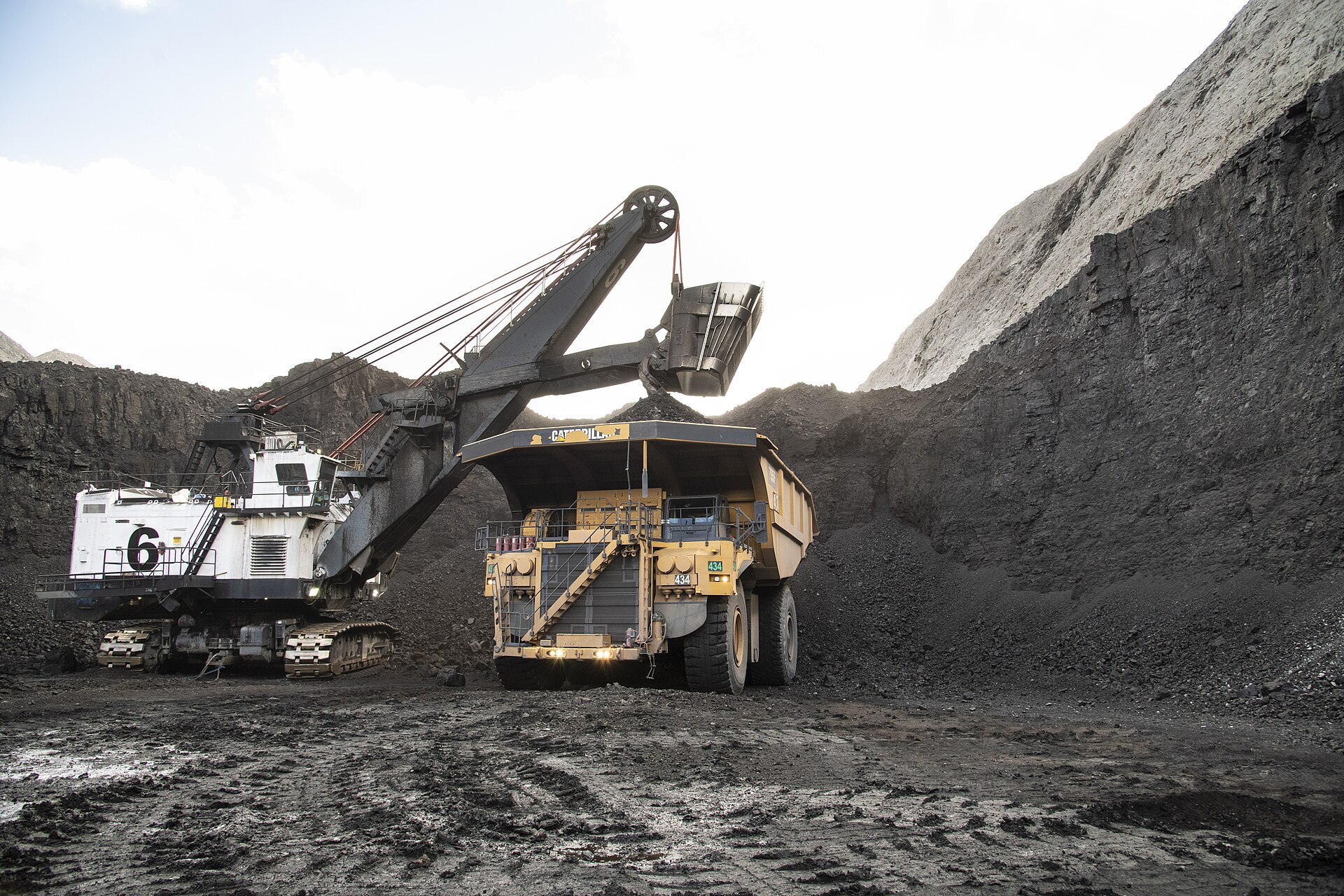
The projects driving Zambia solar capacity
The single largest contributor is the Chisamba Solar Power Plant in Central Province. Engineered by PowerChina and built by a ZESCO subsidiary, the facility was commissioned at a cost of $100 million and later doubled to 200 MW.
President Hakainde Hichilema said the second phase took just seven months to build, created more than 1,400 jobs and cost $70 million.
In Kitwe, the Copperbelt Energy Corporation expanded its solar capacity from 34 MW in 2023 to 94 MW in 2024. A further 100 MW plant, also built by PowerChina, now supplies First Quantum Minerals, one of Zambia’s largest copper producers.
The government has also secured contractors for the Presidential Constituency Energy Initiative, which will deploy 2 MW plants in each of Zambia’s 156 constituencies, adding 312 MW at a public investment of $232 million.
Why Zambia had to move fast
Zambia’s power system has historically relied on hydropower for the vast majority of its electricity. Repeated droughts in recent years caused acute shortages and crippling load-shedding, forcing the government to confront an uncomfortable truth: hydro alone could no longer guarantee energy security.
Solar emerged as the fastest and cheapest fix. The International Finance Corporation’s Scaling Solar programme had already demonstrated that large-scale solar could be procured at just 6.02 US cents per kilowatt-hour, non-indexed for 25 years.
That price benchmark made the economic case unanswerable, especially when compared with expensive emergency diesel generation.
Climate finance meets great-power competition
The surge in Zambia solar capacity is as much a story of global capital as it is of technology. The Green Climate Fund has committed $52.5 million to a renewable energy financing framework.
The World Bank’s NEAT programme released $100 million in March 2024 as part of a broader $700 million grant. The European Union, the United Kingdom, the Netherlands and Switzerland have all channelled funds through mechanisms such as GET FiT and the Renewable Energy Performance Platform.
China has taken a different route. PowerChina’s role as the engineer behind Zambia’s two largest solar plants positions Chinese firms at the centre of the country’s new energy infrastructure. By pairing energy projects with mining clients, Chinese actors deepen their commercial ties and embed themselves in Zambia’s copper value chain. The dynamic mirrors the broader contest playing out across the continent, as documented in our pillar series Africa: The New Scramble.
Copper, green metals and the mining connection
Zambia is Africa’s second-largest copper producer, and the metal is critical for electric vehicles, grid infrastructure and renewable energy systems worldwide. Mining companies consume enormous amounts of electricity, and unreliable supply threatens both output and investment.
The 100 MW solar plant dedicated to First Quantum Minerals signals a move toward “green copper” production. It also hedges against the hydro-related outages that have plagued the sector.
For global buyers under pressure to demonstrate clean supply chains, Zambian copper backed by solar power becomes a more attractive proposition.
Grid constraints and the next hurdles
Zambia’s rapid solar expansion is now pressing against the limits of its grid. A 2022 assessment found the national network could support up to 816 MWp of solar before requiring significant reinforcement.
With installed capacity already around 841 MW, further additions will depend on transmission upgrades, storage solutions and more flexible generation.
The government has responded with a 15-year Grid Resilience Programme, funded through a debt-for-energy conversion framework. The programme leverages fiscal gains from the repurchase of Zambia’s $1.365 billion 2053 Bond B Notes, backed by a $600 million facility from the African Development Bank and $550 million from the Bank of Zambia.
It is an innovative attempt to turn sovereign debt restructuring into hard infrastructure.
What to watch next
Zambia’s Integrated Resource Plan targets 1,960 MW of solar by 2030, and the pipeline of projects suggests the ambition is credible. South Korean investors have proposed a 500 MW facility valued at $700 million to $900 million, though the proposal remains at an early stage.
The Ministry of Energy reports 2,510 MW of new generation across 29 projects scheduled for commissioning in 2025–2026.
The real test will be execution. Not all contracted capacity is yet commissioned, and ZESCO’s single-buyer model creates counterparty risk for private generators.
Cost-reflective tariffs, targeted for 2027, will be politically difficult but essential for attracting sustained private investment. For now, Zambia has demonstrated that a hydro-dependent African economy can pivot to solar at speed when climate necessity, concessional finance and great-power interest align.
Connected Coverage
Frequently Asked Questions
How much has Zambia’s solar capacity grown since 2022?
Zambia’s grid-connected solar capacity has risen from 88.3 MW at the end of 2022 to roughly 841 MW by mid-2026. The near tenfold increase has been driven by large utility-scale plants, a constituency-level programme and mining-linked solar projects.
Who is financing Zambia’s solar energy expansion?
A broad coalition of funders is involved. The Green Climate Fund, the World Bank, the African Development Bank, the European Union, the United Kingdom, the Netherlands and Switzerland have all provided concessional finance.
Chinese firms, particularly PowerChina, have engineered flagship projects, while domestic institutions such as Zambia’s National Pension Scheme Authority are also participating.
Why is solar power important for Zambia’s copper mining industry?
Copper mining is energy-intensive, and Zambia’s hydropower-dependent grid has suffered repeated drought-related outages. Dedicated solar plants, such as the 100 MW facility supplying First Quantum Minerals, provide stable, low-cost power and support “green copper” branding for global buyers demanding clean supply chains.
Sources
Sources: ZESCO data and a national grid study.
This article was produced by The Rio Times’ automated newsroom system. How we use AI · Report an error · Editorial responsibility: Matthias Camenzind, Editor-in-Chief