YPF Says It Is Close to Signing Argentina LNG Contracts
ARGENTINA · ENERGY
Key Facts
- —Who is YPF Argentina’s state-controlled oil and gas company, and the main developer of the Vaca Muerta shale field.
- —What was said Chief executive Horacio Marín told the Gastech conference in Bangkok on 14 September that YPF is close to signing two or three liquefied gas contracts.
- —What is not signed All of them. Nothing has been signed.
- —The project Two floating liquefaction units with an initial 12 million tonnes a year, fed by a 527-kilometre gas pipeline.
- —Who owns it YPF 36%, Italy’s Eni 32%, and Abu Dhabi’s XRG 32%.
- —The decision date A final investment decision is targeted for November 2026.
Argentina has the shale gas and the partners. What it does not yet have is a signature.
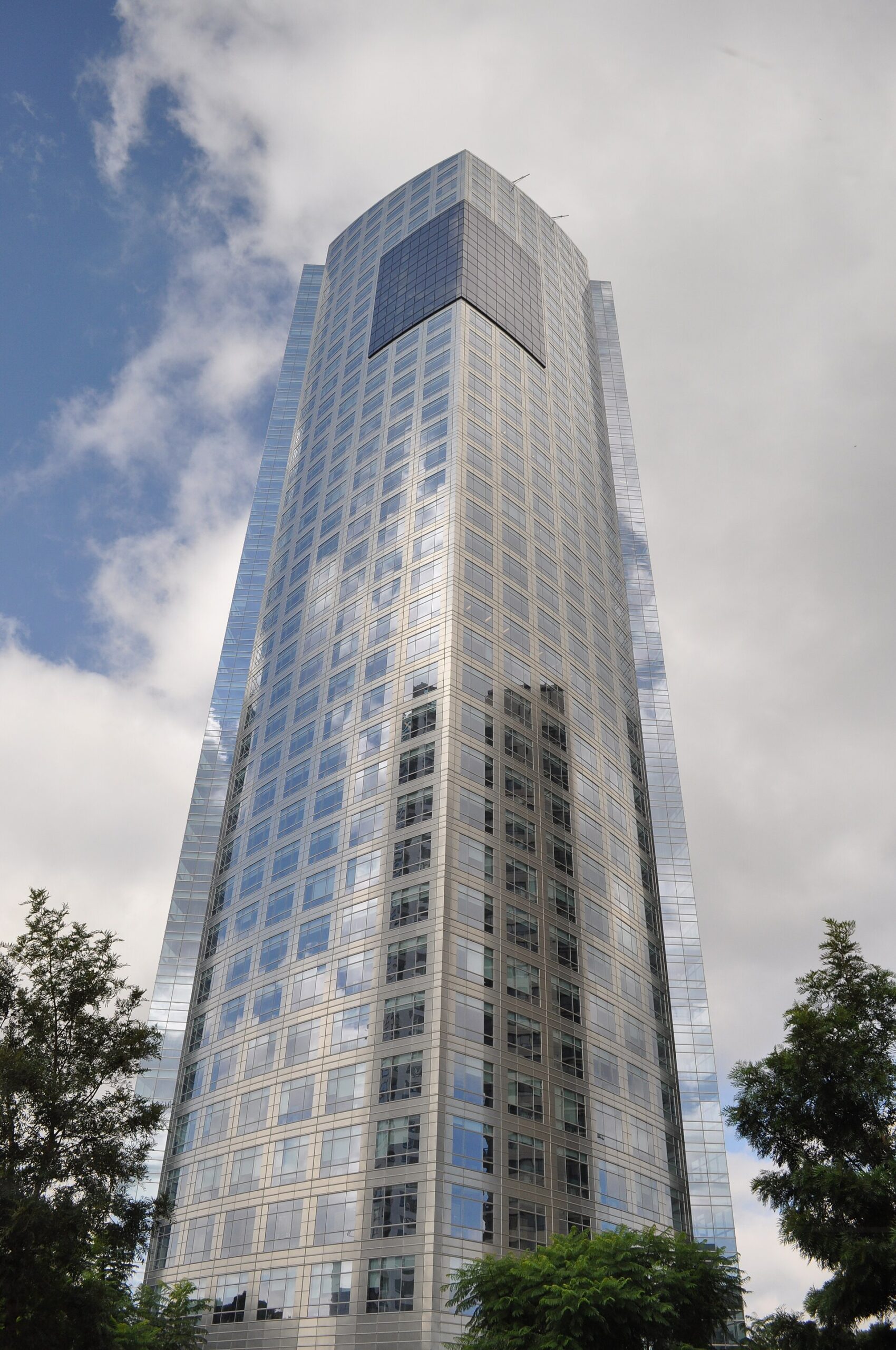
YPF chief executive Horacio Marín spoke at the Gastech conference in Bangkok on 14 September. The company, he said, is close to signing two or three liquefied natural gas contracts. No contract has been signed, and a final investment decision is targeted for November.
What Marín Actually Said
Marín spoke at Gastech, the industry’s largest annual gathering, held this year in Bangkok.
He said YPF was close to signing two or three LNG offtake agreements. Close to signing is not signed.
Offtake contracts are the commitments from buyers that make a liquefaction project financeable. Lenders will not fund a plant without them.
The timetable depends on it. A November investment decision requires those contracts to exist by then.
The Project in Numbers
Argentina LNG plans two floating liquefaction units with an initial capacity of 12 million tonnes a year.
The gas would travel 527 kilometres by pipeline from the Vaca Muerta field in Neuquén province to the coast.
Ownership is split between YPF at 36% and Eni of Italy at 32%. The other 32% belongs to XRG, the international arm of Abu Dhabi’s ADNOC.
The project itself is costed at around US$24 billion. A wider programme figure of US$51 billion covers additional phases and should not be used interchangeably.
Live Company IntelligenceYPF Sociedad Anonima — the full investor dossier
Wall Street view
Valuation & profitability
Price & risk
$22.8252-wk high
$57.49
Revenue trend · 6y
Ownership
Dividend
Not the Oil Pipeline
A separate Argentine project, Vaca Muerta Oil Sur, is frequently confused with this one.
VMOS is a crude oil pipeline running to Punta Colorada on the Atlantic coast. It carries oil, not gas, and serves a different export market.
The 527-kilometre line described here is a gas pipeline feeding liquefaction units.
Both draw from Vaca Muerta. Beyond that they have little in common.
Why Argentina Wants This
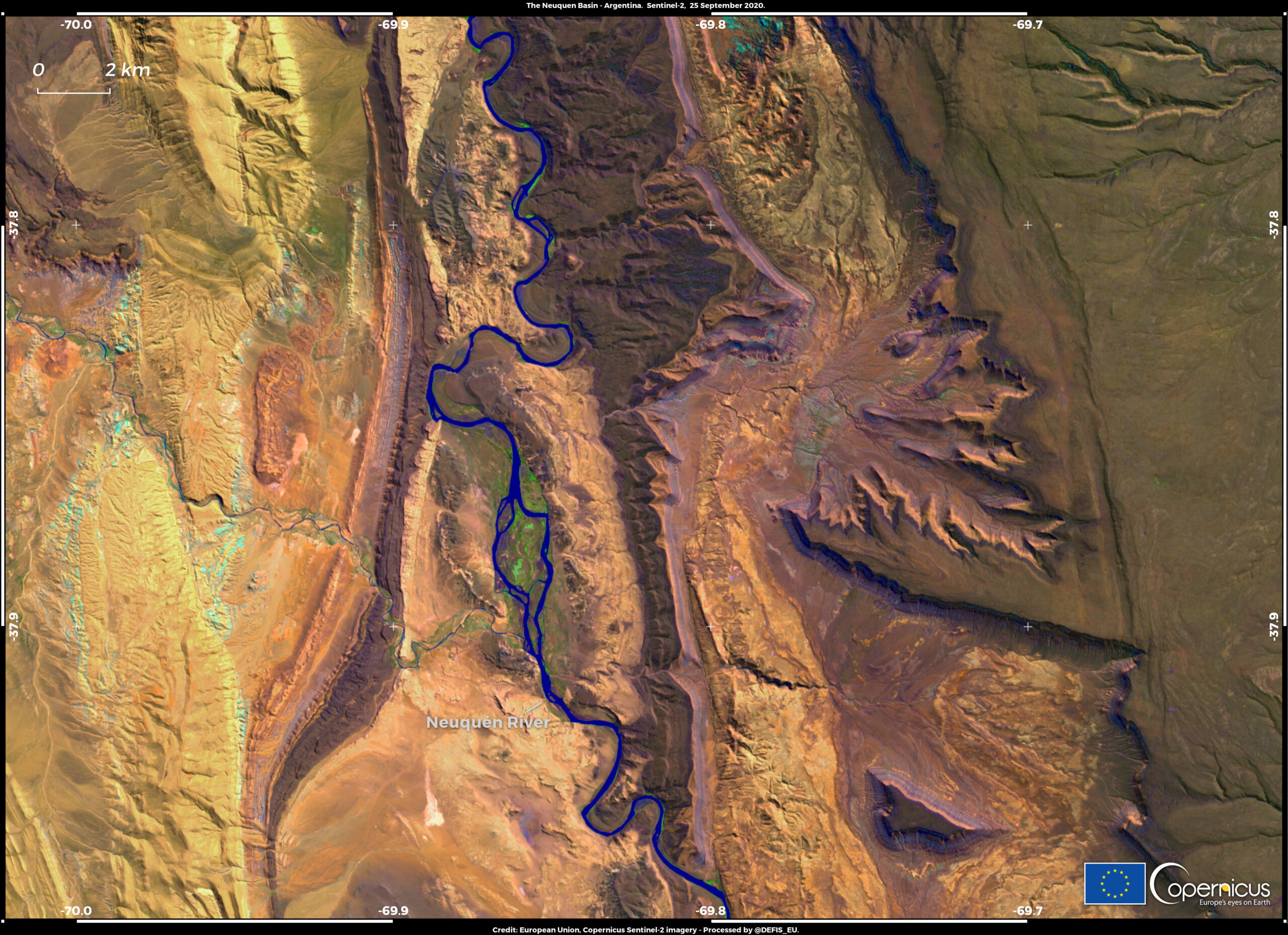
Vaca Muerta holds one of the largest shale gas resources outside North America. Argentina has been producing from it at scale since 2019.
Argentine domestic gas demand is seasonal and cannot absorb the production. Without export capacity, wells are shut in during the southern summer.
Liquefaction converts a stranded resource into a dollar-earning export. For a country with a chronic shortage of foreign currency, that is the whole point.
Argentina became a net energy exporter in 2024 for the first time in more than a decade.

Why the Buyers Are Hesitating
Global LNG supply is expanding sharply, with new capacity coming online in Qatar and the United States through the late 2020s.
Buyers signing 20-year contracts in that environment have more choices than they did three years ago.
Argentina also carries a country risk premium that Qatar and the United States do not. That premium currently prices at 485 basis points.
A floating liquefaction unit mitigates some of that, because it can be moved if the project fails. That is a large part of why the structure was chosen.
What It Would Mean for Argentina
At 12 million tonnes a year, Argentina LNG would be a significant supplier, roughly comparable to a mid-sized established exporter.
The foreign exchange earnings would arrive from around 2030, assuming a November decision and standard construction times.
Neuquén province would receive royalties, and the pipeline route would run through Rio Negro to the coast.
For Argentine employment, the construction phase is substantial and the operating phase is not. Liquefaction plants employ few people.
What to Watch
Any announced signature between now and November. Two or three contracts is the stated target.
The final investment decision itself, targeted for November 2026.
Whether Eni and XRG reaffirm their stakes, since both have alternative projects competing for the same capital.
And the October legislative elections, because the regulatory framework this project depends on was created by decree and could be revisited.
More: Argentina news, every day from The Rio Times.
Frequently Asked Questions
What did YPF announce?
Chief executive Horacio Marín spoke at Gastech in Bangkok on 14 September. YPF, he said, is close to signing two or three LNG contracts.
Has anything been signed?
No. No contract has been signed.
How big is the project?
Two floating liquefaction units with an initial 12 million tonnes a year, fed by a 527-kilometre gas pipeline from Vaca Muerta.
Who are the partners?
YPF holds 36%, Eni of Italy 32%, and Abu Dhabi’s XRG 32%.
What does it cost?
The project is costed at about US$24 billion. A wider programme figure of US$51 billion covers additional phases.
Is this the Vaca Muerta oil pipeline?
No. VMOS is a separate crude oil pipeline to Punta Colorada. This is a gas line feeding liquefaction.
Sources: YPF, Gastech 2026, Eni, ADNOC/XRG, Secretaría de Energía de Argentina, Reuters, Bloomberg Línea.
This article was produced by The Rio Times’ automated newsroom system. How we use AI · Report an error
Read More from The Rio Times