IBOV 187,366.84 ▲ 1.20% IPSA 11,315.26 ▼ 1.14% IPC MEX 65,010.39 ▲ 0.44% MERVAL 3,075,982 ▲ 1.36% COLCAP 2,569.47 ▲ 0.15% BVL PERÚ 59,620.96 ▲ 1.05% USD/BRL5.09▲ 0.07% USD/MXN16.91▼ 0.06% USD/CLP924.74▼ 1.05% USD/COP3,113▼ 0.43% USD/PEN3.35▼ 0.11% USD/ARS1,512▼ 0.02% USD/UYU40.22▲ 3.05% USD/PYG5,892▲ 2.04% USD/BOB12.45▲ 2.69% USD/DOP58.58▲ 2.05% USD/CRC446.50▲ 1.47% USD/GTQ7.64▲ 3.15% USD/HNL26.84▲ 3.19% USD/NIO36.62▲ 2.65% USD/VES818.05▼ 0.13% USD/PAB1.00— 0.00% USD/BZD2.00— 0.00% USD/JMD 157.28 — 0.00% USD/TTD6.71▲ 1.95% EUR/BRL5.92▼ 0.63% BRENT 88.88 ▼ 0.03% WTI 83.11 ▼ 0.11% IRON ORE 161.91 — — COPPER 6.61 ▲ 0.03% GOLD 4,461 ▲ 1.78% SILVER 65.59 ▲ 1.26% SOY 1,184 ▲ 3.20% CORN 480.50 ▲ 10.02% WHEAT 655.00 ▲ 3.93% COFFEE 317.25 ▼ 5.51% SUGAR 16.43 ▼ 1.79% ORANGE JUICE 138.55 ▼ 0.47% COTTON 85.03 ▲ 2.33% COCOA 5,719 ▲ 3.18% BEEF 223.60 ▼ 3.93% CATTLE 339.10 ▼ 3.16% LITHIUM 75.20 ▲ 1.47% PETR4 41.64 ▼ 0.05% VALE3 72.97 ▲ 0.83% ITUB4 38.60 ▼ 1.03% BBDC4 16.85 ▲ 0.36% ABEV3 14.89 ▼ 0.80% BBAS3 19.37 ▲ 0.47% B3SA3 14.26 ▼ 0.21% WEGE3 47.59 ▲ 0.49% PRIO3 59.14 ▼ 0.19% SUZB3 41.33 ▲ 2.35% RENT3 34.68 ▼ 0.09% AZZA3 15.89 ▼ 2.63% CSAN3 3.22 ▼ 1.83% RAIZ4 0.25 — 0.00% PCAR3 2.75 ▼ 0.36% GMAT3 3.65 ▼ 1.08% PSSA3 48.13 ▼ 0.54% CVCB3 1.33 ▼ 2.92% POSI3 3.36 ▲ 2.44% SLCE3 13.34 ▲ 0.30% NATU3 8.14 ▼ 0.73% IBOV 187,366.84 ▲ 1.20% IPSA 11,315.26 ▼ 1.14% IPC MEX 65,010.39 ▲ 0.44% MERVAL 3,075,982 ▲ 1.36% COLCAP 2,569.47 ▲ 0.15% BVL PERÚ 59,620.96 ▲ 1.05% USD/BRL 5.16 ▲ 0.01% USD/MXN 17.06 ▼ 0.24% USD/CLP 913.98 ▲ 0.04% USD/COP 3,140 ▲ 0.03% USD/PEN 3.36 ▼ 0.66% USD/ARS 1,493 ▲ 0.10% USD/UYU 40.27 ▲ 1.24% USD/PYG 5,939 ▲ 1.68% USD/BOB 11.64 ▼ 0.76% USD/DOP 58.34 ▲ 1.25% USD/CRC 445.92 ▲ 0.89% USD/GTQ 7.62 ▲ 2.21% USD/HNL 26.79 ▲ 1.57% USD/NIO 36.62 ▲ 0.69% USD/VES 762.44 ▼ 0.13% USD/PAB 1.00 — 0.00% USD/BZD 2.00 — 0.00% USD/JMD 157.28 — 0.00% USD/TTD 6.70 ▲ 0.61% EUR/BRL 5.95 ▲ 1.01% BRENT 88.88 ▼ 0.03% WTI 83.11 ▼ 0.11% IRON ORE 161.91 — — COPPER 6.61 ▲ 0.03% GOLD 4,461 ▲ 1.78% SILVER 65.59 ▲ 1.26% SOY 1,184 ▲ 3.20% CORN 480.50 ▲ 10.02% WHEAT 655.00 ▲ 3.93% COFFEE 317.25 ▼ 5.51% SUGAR 16.43 ▼ 1.79% ORANGE JUICE 138.55 ▼ 0.47% COTTON 85.03 ▲ 2.33% COCOA 5,719 ▲ 3.18% BEEF 223.60 ▼ 3.93% CATTLE 339.10 ▼ 3.16% LITHIUM 75.20 ▲ 1.47% PETR4 41.64 ▼ 0.05% VALE3 72.97 ▲ 0.83% ITUB4 38.60 ▼ 1.03% BBDC4 16.85 ▲ 0.36% ABEV3 14.89 ▼ 0.80% BBAS3 19.37 ▲ 0.47% B3SA3 14.26 ▼ 0.21% WEGE3 47.59 ▲ 0.49% PRIO3 59.14 ▼ 0.19% SUZB3 41.33 ▲ 2.35% RENT3 34.68 ▼ 0.09% AZZA3 15.89 ▼ 2.63% CSAN3 3.22 ▼ 1.83% RAIZ4 0.25 — 0.00% PCAR3 2.75 ▼ 0.36% GMAT3 3.65 ▼ 1.08% PSSA3 48.13 ▼ 0.54% CVCB3 1.33 ▼ 2.92% POSI3 3.36 ▲ 2.44% SLCE3 13.34 ▲ 0.30% NATU3 8.14 ▼ 0.73%
since 2009
Wednesday, September 9, 2026

Brazil Politics - Brazil

Warning Shot, Not Verdict: Why Brazil and South Africa Landed on America’s Trafficking Watch List

By · September 30, 2025 · 2 min read

The LatAm Brief

One email, every weekday morning. What moved in Latin American markets, politics and expat life.

Yesterday’s subject line: “227 dead in Latin American waters. Yesterday, none.”

Free. We send a confirmation link first — nothing arrives until you click it. Unsubscribe with one click in any edition. If you stop opening us for 30 days we stop sending by ourselves, as we assume the interest is no longer there. See our privacy policy. We never share your email.

The U.S. State Department has shifted Brazil and South Africa to the Tier 2 Watch List in its Trafficking in Persons assessment—a formal warning that both countries are trying to fight human trafficking but are not keeping pace with the problem.

It’s the bureaucratic equivalent of a yellow card: improve quickly or risk penalties attached to U.S. anti-trafficking law, from funding restrictions to diplomatic friction.

What tipped the scales? For Brazil, authorities opened fewer investigations, filed fewer prosecutions, and secured fewer initial convictions than in earlier years.

The mechanics matter: trafficking cases are complex, require early victim identification, and depend on specialized policing, prosecutors who know how to build evidence beyond victim testimony, and judges trained to read labor and sexual-exploitation patterns.

When any link weakens, the whole chain falters—and the numbers slide. South Africa’s picture is mixed. Officials launched a new sub-provincial task team and won more convictions in some areas.
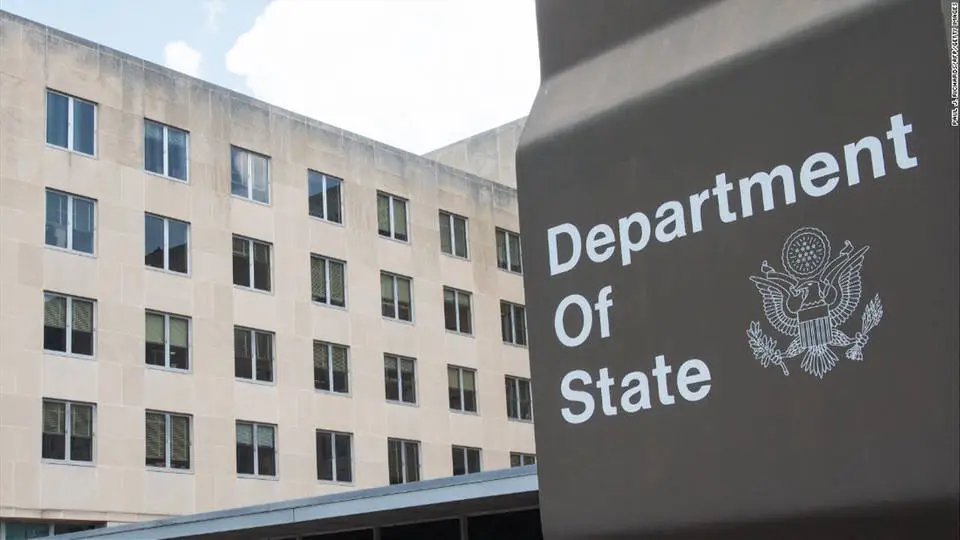
Warning Shot, Not Verdict: Why Brazil and South Africa Landed on America’s Trafficking Watch List.
One-stop reference
Company Intelligence
Every listed company in Latin America — financials, ownership and structure for 1,450+ companies across 26 exchanges, in one place.
Browse the directory →
RT
Ask Rio Times
This story and the bigger picture.
Open the full Ask Rio Times →

Yet they identified fewer victims overall and initiated fewer new cases, suggesting that capacity exists but detection and follow-through remain uneven.

Stronger Coordination Key to Combating Evolving Human Trafficking

The story behind the story is about momentum. Human trafficking adapts quickly—moving from street brothels to encrypted apps, from visible forced labor to subcontracted supply chains.

Countries that don’t keep training, funding, and coordination tightly aligned see apparent backsliding even when policies look good on paper.

Delays in publishing the assessment this year also kept governments guessing about benchmarks—another sign that staffing and continuity matter on all sides.

Why readers outside these countries should care is straightforward. The Watch List label shapes investment and compliance decisions.

Multinationals will reassess risk in agriculture, construction, logistics, domestic work, and tourism; lenders and buyers will demand stronger audits and worker-grievance channels.

For migrants and low-wage workers, better early screening at borders and worksites can mean the difference between disappearing into coercion and being identified in time.

What improvement looks like over the next year is not mysterious: more proactive labor inspections and cyber-investigations; standardized training for police, prosecutors, and judges; survivor-centered services that make witnesses safer; and case tracking that turns arrests into convictions.

If Brazil and South Africa can turn those gears at once, the yellow card can be lifted—and real people will feel the difference.

This article was produced by The Rio Times’ automated newsroom system. How we use AI · Report an error

Read More from The Rio Times

The Rio Times · Power Map
See who really holds power in Latin America
Click to open the Power Map

Rotate for Best Experience

This report is optimized for landscape viewing. Rotate your phone for the full experience.