US Oil Firms Edge Back Into Venezuela, but Exxon Has Still Not Said Yes
Key Facts
This story is part of our coverage of the Venezuela US tensions. Who runs Venezuela, the US sanctions and oil deals, the Maduro case and the odds are in our dossier.
Venezuela is courting American oil companies again, months after Nicolas Maduro was seized in a US operation. This week Continental Resources signed a memorandum, while Exxon, which lost its operations there in 2007, has still said nothing.
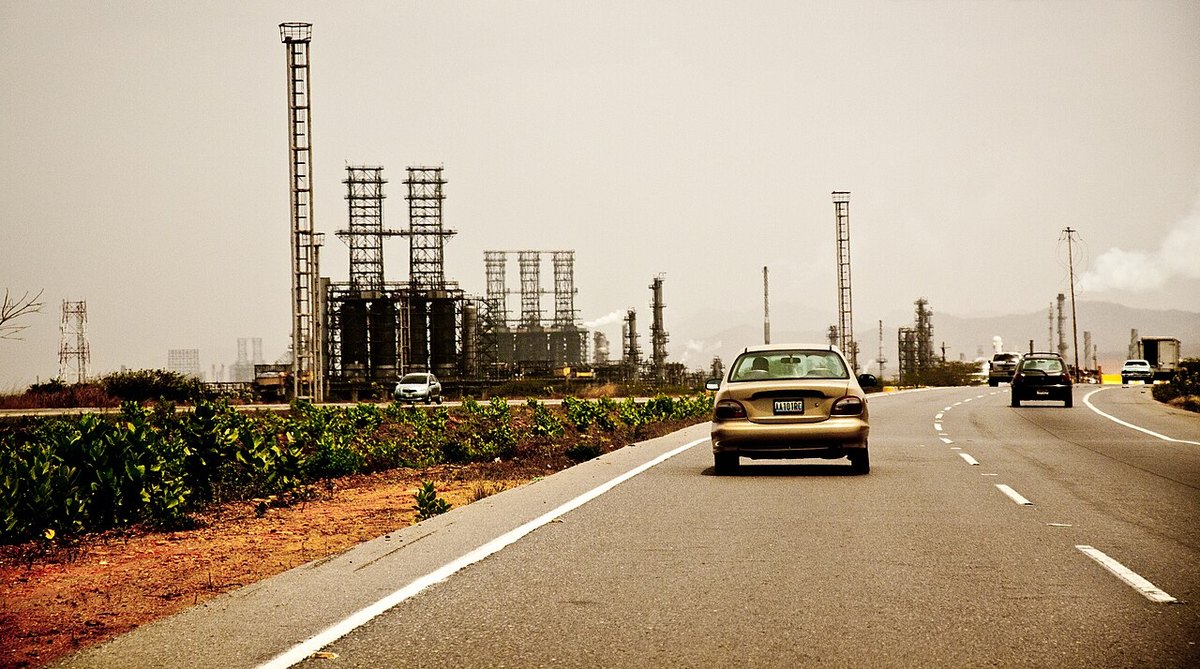
Continental Resources, a privately held Oklahoma oil producer, announced a memorandum with PDVSA, Venezuela’s state oil company, on 16 September 2026. Reuters reported the same day that Exxon is advancing talks about returning to a separate field.
Why This Matters Beyond Venezuela
Venezuela holds about 303 billion barrels of proven crude reserves, more than any other country, according to OPEC figures. Its state company, PDVSA, pumped about 3.4 million barrels a day in 1998.
Output later fell to around 800,000 barrels a day in the 2020s, a decline of more than 75%. In 2007 the government required foreign partners to hand PDVSA majority control of their projects.
ExxonMobil and ConocoPhillips refused and lost their operations, while Chevron, BP and others stayed as minority partners. US sanctions imposed from August 2017 then restricted PDVSA’s access to credit markets.
On 3 January 2026, Nicolas Maduro was seized in a US military operation, and his vice president took over. Since then, Washington and the interim government have been rebuilding the legal routes for foreign companies to return.
For global oil markets, the question is whether that turns into new barrels or stays on paper. For companies, the question is whether contracts signed now will survive the next Venezuelan government.
What Continental Actually Signed
The agreement covers the Ayacucho 2 block, north of the Orinoco river in Anzoategui state. It runs to roughly 126,000 acres, and the company would hold a 100% working interest.
The figure in every headline is 30 billion barrels, which Continental’s release calls recoverable resources. Resources are a broader and less certain category than proven reserves, which require a commercial development plan.
The memorandum is non-binding. The parties say they intend to sign a participation contract in the coming weeks.
Continental, founded by Harold Hamm, calls itself the world’s largest privately held oil and gas producer. It is built on US shale and also operates in Argentina’s Vaca Muerta, but has no upgrading experience with extra-heavy crude.
The Exxon Report, and the Quote That Cuts Against It
Reuters reported that Exxon is advancing talks to return to Petromonagas, formerly Cerro Negro. Exxon held 41.67% of that project before the 2007 nationalisations, and neither the company nor PDVSA commented.
The only person on the record is President Trump, who said on 31 August that Exxon is going in. That is a political statement, not a corporate one, and the distinction matters here.
In January the company’s chief executive, Darren Woods, called Venezuela uninvestable at a White House meeting. He said the company’s assets had been seized twice, and a third entry would need significant change.
Months later Exxon has still said nothing publicly. Silence is not agreement.
The Arbitration Nobody Has Settled
Exxon won an award at the World Bank’s arbitration body over the 2007 seizures, later cut sharply on annulment. Venezuela has paid a fraction of the sum owed, and ConocoPhillips is owed more than US$10 billion.
The main enforcement route is the court auction of the parent of Citgo, a US refiner long owned by PDVSA. That route has been left in limbo by the US Treasury.
ConocoPhillips has been blunt, with its chief executive saying investing more without relief would be difficult. So the unpaid awards from the last expropriation sit underneath every conversation about the next investment.
The Law That Changed in January
Venezuela’s National Assembly amended the Organic Hydrocarbons Law on 29 January 2026, and implementing rules followed on 7 July. It created a new vehicle, the production participation contract.
The investor carries the management, the cost and the risk. The state keeps ownership of the deposits, and PDVSA’s minimum stake in joint ventures fell from 60% to 50.1%.
Royalties are capped at 30%, and an integrated tax is capped at 15% of gross monthly income. Income tax is 50% as standard and 34% on new fields.
Combined takes run from about 20% to 35% by project type. Investors must be domiciled in Venezuela and approved by the hydrocarbons ministry, and selling the oil needs a separate permit.
What Sanctions Still Block
Nobody has lifted the sanctions. PDVSA remains a specially designated national, the US term for a blacklisted entity, as does the central bank.
What exists instead is a stack of general licences, and Washington can revoke any of them. One licence covers purchases and refining, while others cover diluents and goods and services for exploration.
Read the exclusions, because the exploration licence does not authorise forming new joint ventures. A further licence lets American firms negotiate and sign contracts that are contingent on later approval.
That is why Continental could sign a memorandum, while performing it will need a separate, specific authorisation. A January executive order also routes payments to PDVSA-linked entities through accounts held at the US Treasury.
The Government Deal Underneath All of This
This is not a neutral market opening, because it rests on an accord between two governments. US Energy Secretary Chris Wright and interim President Delcy Rodriguez signed it on 2 September 2026.
It covers roughly 65 billion barrels across 17 fields, about a fifth of proven reserves. The vehicle is a partnership in which the US Defense Department’s strategic capital office holds 35%, at no cost.
Washington also holds a right to buy a fifth of production at cost, free of tax. The two sides do not agree on the term, with American officials describing a hundred years and Caracas saying twenty-five.
Who Is Governing, and With What Mandate
Delcy Rodriguez, Maduro’s vice president since 2018, was sworn in as interim president on 5 January 2026. The supreme court had ordered on 4 January that she assume the interim presidency.
She has no electoral mandate, and no election date has been committed to publicly. That is the risk lawyers keep flagging, because a future elected government could contest the contracts signed now.
Venezuela also left the World Bank arbitration system in 2012 and denounced a Dutch investment treaty in 2008. Contracts written today therefore rest on the law, and the law can be amended by the same assembly that wrote it.
Investors are pricing political risk as much as geology. Al Jazeera reported that smaller independent firms, rather than majors, are expected as partners, citing concerns over trust.
What the Production Numbers Say
Output ran at 1.201 million barrels a day in August, on OPEC secondary-source figures. That is essentially flat on July, and barely a third of the 1998 level.
PDVSA’s own count runs about 100,000 barrels higher, because it includes condensates, light liquids produced with gas. Exports were about 1.17 million barrels a day, which Reuters called almost unchanged.
Bloomberg counted a 28% jump over the same month, using a different window and method. Exports nearly match production, which points to inventory being drawn down rather than a surge in the fields.
Reuters also reported tankers queueing in August, because cargoes are selling faster than ports can load them. Al Jazeera’s analysis of the accord said a real rise in output would probably take several years.
What It Means If You Are Watching From Outside
For readers across the region, this is the largest reordering of Latin American energy in a generation. It is also, so far, a paper reordering, resting on one non-binding memorandum and one anonymously sourced report.
The test is simple and it is near: a signed participation contract and a specific Treasury licence. Until both exist, nothing has been committed and no barrel has moved that was not moving already.
The second test is slower, because whoever governs Venezuela next will decide whether these contracts survive. For investors, that makes political risk the main variable, ahead of geology or price.
What Is Not Yet Known
Exxon has not confirmed anything, and the terms of any return are unreported. The Continental participation contract has not been signed, and no production target or timeline exists.
Whether the American licences cover performance of these specific deals has not been stated publicly. Russia’s state oil arm still holds 40% of Petromonagas, and Caracas has publicly defended that title.
How that is resolved has not been answered by anyone involved. Nor is there a date for an election that would give Venezuela’s government a mandate.
Frequently Asked Questions
Why does Venezuela’s oil reopening matter?
Venezuela holds the world’s largest proven oil reserves, about 303 billion barrels, yet produces a fraction of its 1998 peak. Washington wants US companies to rebuild output, but the deals so far are mostly on paper.
Has Exxon agreed to return to Venezuela?
Not publicly, and the Reuters report of advancing talks was sourced anonymously. Neither Exxon nor PDVSA has commented, and its chief executive called the country uninvestable in January.
What did Continental Resources sign?
A non-binding memorandum of understanding with PDVSA for the Ayacucho 2 block, about 126,000 acres in Anzoategui state. A binding contract has not been signed.
Have US sanctions on Venezuela been lifted?
They have not been lifted. PDVSA remains a designated entity, relief comes through general licences that Washington can revoke, and new joint ventures are still excluded.
Sources: Continental Resources, the memorandum announcement, CNBC, on the Ayacucho 2 block, Bloomberg, Exxon reported in talks, Cleary Gottlieb, the rewritten hydrocarbons law, Faegre Drinker, the general licences in force, The American Presidency Project, the executive order on oil revenue, Al Jazeera, on the intergovernmental accord, Al Jazeera, Delcy Rodriguez sworn in, OPEC, Venezuela’s reserves, Wikipedia, oil reserves by country, Wikipedia, PDVSA production history and the 2007 takeovers, Wikipedia, Citgo and its ownership
This article was produced by The Rio Times’ automated newsroom system. How we use AI · Report an error · Editorial responsibility: Matthias Camenzind, Editor-in-Chief
Venezuela and the United States
- What Is Going On Between Venezuela and the United States?
- What Is Going On Between Venezuela and the United States?
- Venezuela Geopolitics Explained, US Now Runs Its Oil
- Venezuela Politics 2026, Who Holds Power After Maduro