Venezuela: Maduro Frontman Alex Saab Pleads Guilty in Miami
VENEZUELA · JUSTICE
Key Facts
-
—
What happened. Alex Saab pleaded guilty in Miami federal court to one count of money laundering. -
—
How big. Saab must forfeit US$195 million in proceeds skimmed from Venezuela’s food-import program. -
—
The catch. A lighter sentence depends on cooperation that could make Saab a witness against Nicolás Maduro. -
—
Who it affects. Maduro, who awaits his own Manhattan trial on narcoterrorism and drug-trafficking charges. -
—
What comes next. Judge Kathleen Williams has not yet scheduled Saab’s sentencing hearing. -
—
The wider picture. Venezuela’s own government deported Saab back to the US in May, ending years of protection.
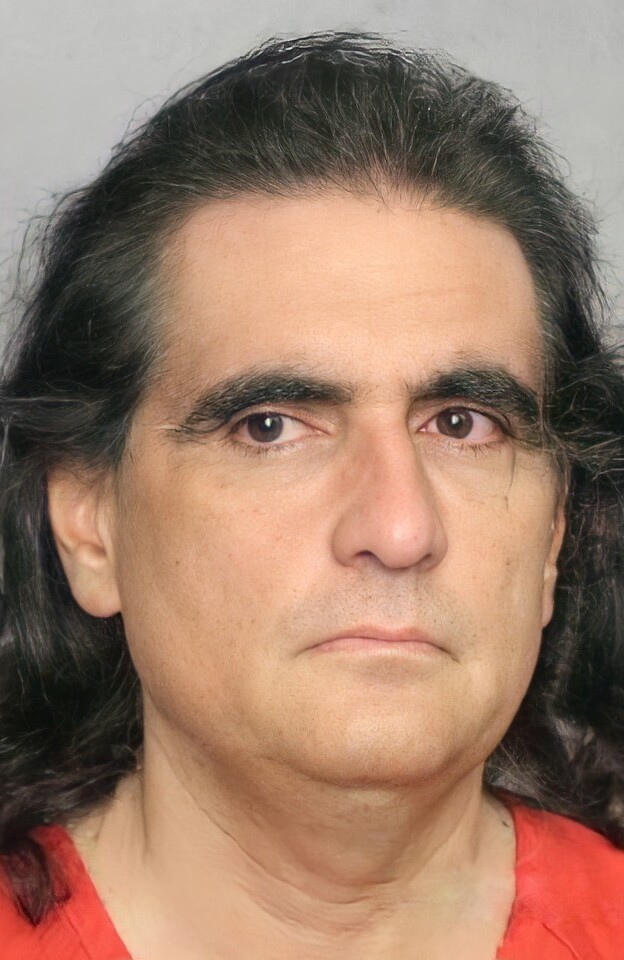
A Guilty Plea in Miami
Alex Saab stood before a federal judge in Miami on Monday and admitted guilt. He pleaded guilty to one count of conspiracy to commit money laundering.
The plea was entered in the US District Court for the Southern District of Florida. Judge Kathleen Williams is overseeing the case.
As part of the deal, Saab agreed to forfeit US$195 million in criminal proceeds. Prosecutors say that money was skimmed from Venezuelan government contracts he controlled.
US Attorney Jason A. Reding Quiñones framed the plea as a warning to Maduro’s inner circle.
“Political connections, wealth and proximity to a corrupt regime will not put anyone beyond the reach of American justice,” he said.
How the CLAP Scheme Worked
Saab was identified by the US Treasury as Maduro’s principal financial frontman. Prosecutors say he built his fortune through Venezuelan state contracts, especially the CLAP subsidized food program.
He and his associates allegedly set up shell companies across nine countries. Filings named Antigua, Bulgaria, Liechtenstein, the Marshall Islands, Montenegro, Switzerland, Turkey, the UK and the UAE.
Those companies allegedly bribed officials who controlled food and medicine import contracts. Prosecutors say falsified shipping records helped hide the scheme from regulators.
Former Táchira governor Jose Gregorio Vielma Mora allegedly received US$17 million in kickbacks. Some payments reportedly arrived not in cash but in Venezuelan oil, gold and other resources.
From Fixer to Cooperating Witness
Saab’s single count carries a maximum 20-year sentence. Prosecutors have agreed to recommend a term at the low end of that range.
Further reductions depend on the quality of his cooperation with ongoing federal investigations. That cooperation could eventually put Saab on the stand against Maduro himself.
Maduro, captured by US forces in January, awaits his own trial in Manhattan. He faces narcoterrorism and drug-trafficking charges tied to his years in power.
Saab’s attorney, Neil Schuster, declined to comment on the specifics of the cooperation agreement. No sentencing date has been set.
A Long, Strange Legal Journey
Saab was first charged during Trump’s earlier administration in 2019. He was arrested a year later during a refueling stop in Cape Verde.
Cape Verde’s constitutional tribunal approved his extradition, and he arrived in the United States in October 2021. He initially pleaded not guilty and fought the charges for two years.
President Biden pardoned Saab in December 2023 as part of a prisoner swap. Venezuela released several jailed Americans in exchange for his freedom.
That pardon did not cover every possible charge against him. Prosecutors built a new case around conduct they say fell outside its scope.
Then, in May, Venezuela’s own acting president Delcy Rodríguez deported Saab back to the United States. Officials described it only as a matter between Saab and Washington.
What It Means for the Case Against Maduro
Saab’s plea is the clearest sign yet that Washington’s Venezuela sanctions campaign is producing courtroom results. It also hands prosecutors a potential insider witness against Maduro.
For years Saab was treated as one of the most protected men in Maduro’s orbit. His willingness to cooperate now marks a striking reversal.
The US$195 million forfeiture also adds to a growing tally of Venezuelan assets seized or blocked by American courts. Citgo’s ownership dispute and frozen state funds remain separate, unresolved fights.
Treasury officials have spent years mapping the financial networks that sustained Maduro’s government abroad. Saab’s shell companies, spanning nine jurisdictions, were long considered one of the more sophisticated examples of that machinery.
Rodríguez’s government, meanwhile, continues to distance itself from Maduro-era figures like Saab. That distancing has coincided with Washington’s gradual, cautious opening toward her administration.
Saab’s case also illustrates how far US prosecutors have reached to unwind Venezuela’s sanctions-era financial networks. Shell companies spread across nine countries show how deeply that money traveled before landing back in American courts.
Analysts following the broader sanctions campaign say plea deals like Saab’s often precede bigger disclosures. Prosecutors frequently use early cooperators to build cases against more senior figures still shielded by distance or diplomatic cover.
What did Alex Saab plead guilty to?
One count of conspiracy to commit money laundering, tied to Venezuela’s CLAP food-import program.
Why was Saab free after his 2020 arrest?
President Biden pardoned him in a 2023 prisoner swap for jailed Americans held in Venezuela. That pardon did not shield him from a later, separate case.
Will Saab testify against Maduro?
Nothing is confirmed, but his cooperation agreement raises that possibility. Any reduced sentence depends partly on how useful his testimony proves.
When will Saab be sentenced?
No date has been set. His single count carries a 20-year maximum, though prosecutors will recommend far less.
Sources: US Attorney’s Office for the Southern District of Florida, NBC 6 South Florida, MercoPress, Associated Press, US Department of the Treasury.
More: Venezuela news in English, every day from The Rio Times.
This article was produced by The Rio Times’ automated newsroom system. How we use AI · Report an error
In depth
Read More from The Rio Times