USA & Canada Intelligence Brief — Wednesday, November 11, 2026
Executive Summary
USA & Canada Intelligence Brief for November 11: Carney meets Xi on Nov 17, US$17.8 billion Canada Strong Fund, Democrats win Congress.
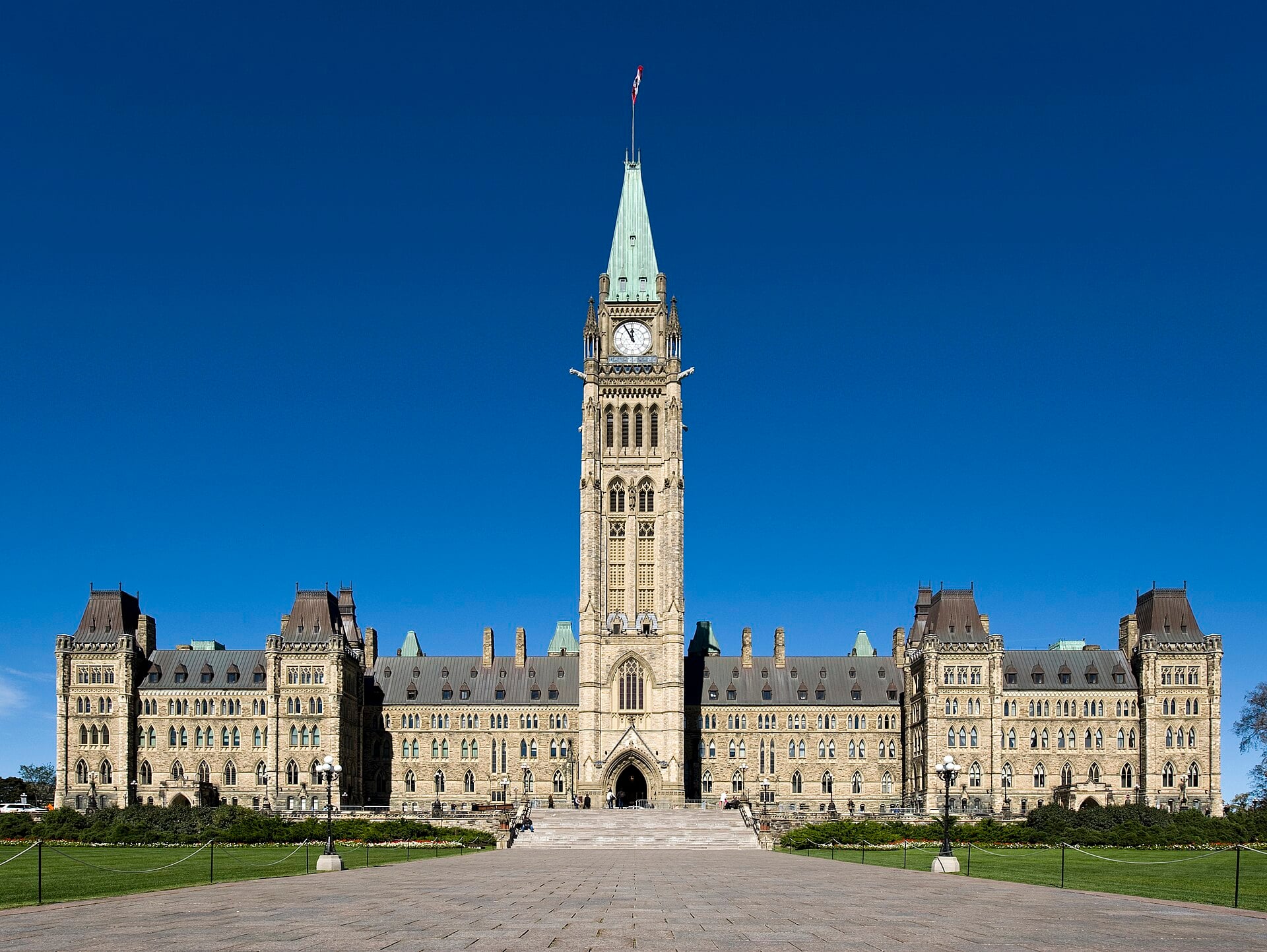
The region wakes on Remembrance Day in a mood of guarded recalculation, with Washington absorbing the loss of Congress and Ottawa looking east because the road south stays blocked. Nobody sounds panicked, but nobody sounds secure either.
In the United States the register is one of damage control, with Trump having said before the vote, KUT reported on 4 November, that he would be “Mr. Veto” but that “at some point we’ll probably make deals”. In Canada leaders speak the language of hedging and ledgers, with the Globe and Mail reporting this week that Carney argues the security risks of partnering with China are far smaller than those the United States faces.
The through-line is hedging under pressure. Trump needs deals he has just lost the votes to dictate, while Carney seeks partners abroad and reassurance at home, and ordinary households on both sides of the border carry the strain.
Key Facts
Xi. Carney is due to meet Xi Jinping at the APEC summit in Shenzhen.
Fund. Karen Karniol-Tambour was named first CEO of the C$25 billion (US$17.8 billion) Canada Strong Fund on Monday 9 November.
Pork. China’s 25% tariffs on Canadian pork, shrimp and geoduck clams remain in place.
Senate. Seven Republican Senate seats flipped on 3 November, including North Carolina, Ohio, Texas, Kansas and Maine.
Violence. Police-reported family violence in Canada reached its highest rate since 2009 in 2025.
Washington: A Defeated President Improvises
NBC News reported on 7 November that the press secretary post has been vacant since Katie Zacharia left after five days last month, and that Trump posted he had offered the job to UFC chief executive Dana White before telling reporters he was “only kidding”. A White House that jokes about its most serious appointments in the week after defeat is signalling improvisation, which supporters may hear as strength and critics as drift.
NPR reported on 4 November that Hakeem Jeffries is poised to be Speaker and Chuck Schumer Senate Majority Leader, with Mike Johnson acknowledging the loss and John Thune losing his majority. Because the new Congress is sworn in only in January and must still pass 12 appropriations bills, the next two months are a negotiation over who blinks first, and Trump’s own talk of deals suggests he knows it.
Ottawa: Courting Beijing While Washington Stays Closed
Carney told reporters in Montreal on Tuesday that he will raise opposition to foreign interference when he sits down with Xi, with tariffs, trade and Chinese investment also expected on the agenda. Pairing a warning with an open hand is the posture of a leader who needs new markets but cannot afford to look naive at home. Beijing has not yet accepted Carney’s new ambassador, a post vacant since April, while Finance Minister François-Philippe Champagne said talks with Vice-Premier He Lifeng covered energy-storage technology and banking licences for Chinese lenders.
Ottawa: Big Money, Careful Hands
BetaKit reported on 9 November that the Canada Strong Fund will be an arm’s-length Crown corporation expected to launch in early 2027, led by a Bridgewater co-chief investment officer. Putting a Wall Street investor at its head signals that Ottawa wants a state investor judged by returns rather than by politics.
CP24 reported on 5 November that debt charges of C$60.2 billion (US$42.7 billion) now exceed the C$57.4 billion (US$40.8 billion) set aside for health transfers, a comparison critics use to question where trust in the ledger should end. Canadian Press coverage after the budget said Champagne argues that two thirds of the measures aim to grow the economy, while Conservative leader Pierre Poilievre says his party will vote against it and NDP leader Avi Lewis says it favours corporations.
Canada: Strain Behind The Statistics
Statistics Canada released the family violence data on 10 November alongside its annual energy figures, which shows how little public attention such a record draws against the budget and trade rows. The pressure on households is visible elsewhere in the agency’s 6 November report that unemployment rose to 6.7% in October from 6.5%, with youth unemployment up to 13.7% from 13.0%.
Together the releases describe a Canada where work is scarcer for the young and tension is higher at home, a mood that rewards caution over confrontation. For US readers it means an ally with less room to escalate a tariff war and more reason to seek relief wherever it is on offer.
What This Means From Latin America
The Bank of Canada said on 28 October that the US applies 50% tariffs under Section 338 of the Tariff Act of 1930 to a range of Canadian goods while exempting energy, potash and critical minerals. Exporters in Brazil and Mexico should read that pattern as Washington shielding the inputs its own industry needs, and note that Canada’s bid for relief on pork and seafood in China targets the same buyers they supply.
A Democratic Congress from January gives Latin American capitals a second address in Washington, even if the White House keeps the veto and the final word on trade. With Stephen Miller named chief of staff, according to NBC News on 7 November, governments from Mexico City to Bogotá will watch for migration signals from an inner circle that is changing faster than its policies.
What We Are Watching
- Thursday 12 November, 8:30 a.m. ET: US initial jobless claims — forecast 195,000 against 189,000 prior, with continuing claims forecast at 1.72 million against 1.718 million; a check on how much the political shake-up has touched the labour market.
- Monday 16 November, 8:30 a.m. ET: Canada inflation rate for October — prior 3.1% annually and 0.1% on the month; it shapes how hard the Bank of Canada leans before its next decision.
- 18-19 November: APEC leaders meet in Shenzhen, where Carney is due to meet Xi Jinping — a possible Trump meeting with Xi is also on the table at the APEC leaders’ meeting on 18-19 November; the test of whether Canada’s hedge buys any relief on pork and seafood.
- Tuesday 17 November, 8:30 a.m. ET: US retail sales for October — forecast 0.6% against 0.8% prior, and 0.5% excluding autos against 0.9%; it shows whether households are still spending.
- Tuesday 17 November, 9:15 a.m. ET: US industrial production for October — forecast 0.6% against 0.7% prior; a read on factory demand while tariffs bite.
- Wednesday 9 December: Bank of Canada rate decision — the policy rate stands at 2.5% after the 28 October hike; it will show whether the bank keeps tightening into a softer jobs market.
Frequently Asked Questions
Who will lead the new Democratic majority in Congress?
On 4 November, Hakeem Jeffries is poised to be Speaker and Chuck Schumer Senate Majority Leader. The new Congress is sworn in in January.
What will Carney raise with Xi Jinping?
Carney will raise opposition to foreign interference when they meet at the APEC summit in Shenzhen. Tariffs, trade and Chinese investment are also expected on the agenda.
What is the Canada Strong Fund?
BetaKit reported on 9 November that it is a C$25 billion (US$17.8 billion) fund set up as an arm’s-length Crown corporation. Karen Karniol-Tambour of Bridgewater is its first chief executive, and it is expected to launch in early 2027.
What did Statistics Canada report on family violence?
Statistics Canada said on 10 November that police-reported family violence and intimate partner violence in 2025 reached the highest rates since comparable data began in 2009. The figures appeared in its Daily release for that day.
This article was produced by The Rio Times’ automated AI newsroom. Editorial responsibility: Matthias Camenzind, Publisher and Editor-in-Chief. The Rio Times also runs Ask Rio Times, which answers from 100,000+ of our own articles, the daily Latin America Power Map, and prediction-market odds on elections and markets.. How we use AI · Report an error