US Venezuela Trade Jumps 113% To US$9.5bn In H1 2026
Venezuela · Economy
Key Facts
- Trade jumps — US–Venezuela trade hit US$9.528 billion in the first half of 2026, up 113% on a year earlier.
- Oil permits — Washington widened its oil licences in February 2026, letting Repsol join Chevron in Venezuela.
- Two rates — The street dollar trades near 841 bolivars, against an official rate of about 758.
- Wide gap — That leaves roughly a 13.5% gap between the official and street exchange rates.
- Bond pause — A new US licence on 3 August pushes back dealings in a PDVSA bond until 17 September.
Sanctions fail to slow the rebound. Oil licences broaden, while the bolivar’s parallel rate runs 13.5% above official.
Trade between the US and Venezuela rebounded hard in the first half of 2026. Bilateral commerce reached US$9.528 billion, up 113% from a year earlier, according to the US Bureau of Economic Analysis. The numbers landed on 8 August, and they show the sanctions regime is not stopping the flow of goods. For US investors and expats watching Latin America, this is a signal that engagement is deepening. The Venezuela trade surge touches energy, food imports, and the daily reality of a bolivar that trades well above official levels.
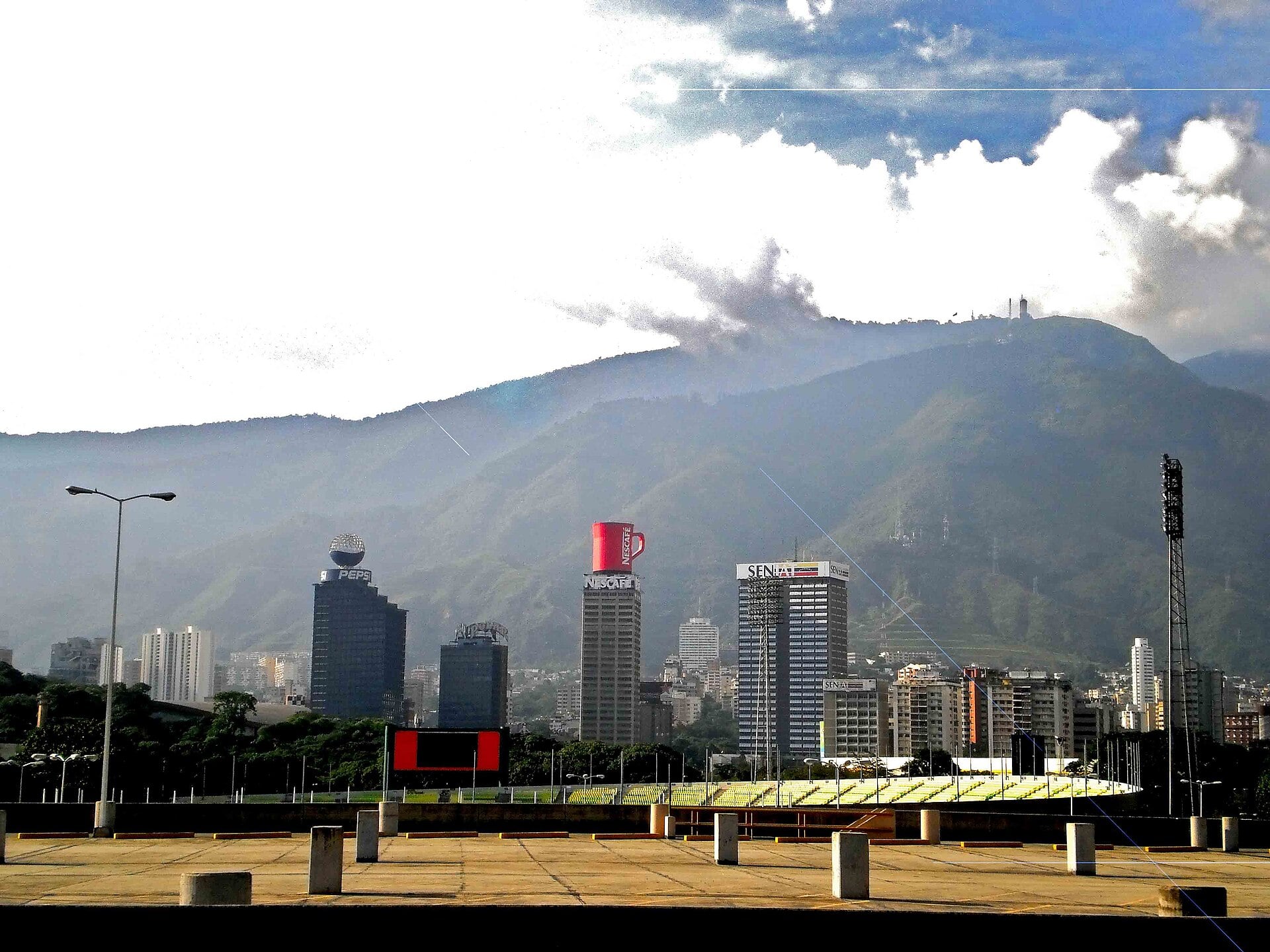
Venezuela Trade Jumps 113%
The Bureau of Economic Analysis reported the figures on 8 August. The US$9.528 billion total covers exports and imports in both directions, a dramatic reversal from the declines of the prior two years.
The jump was driven largely by higher energy shipments, which rose after Washington expanded oil licences in February 2026. Agricultural machinery and chemical inputs also contributed, as US exporters took advantage of easing restrictions to meet Venezuelan demand for essential goods.
US goods heading south include machinery, agricultural products, and chemical inputs, with exports benefiting from the licence expansions that allowed more crude to flow north. Venezuela’s exports to the US are dominated by oil, though volumes remain limited by licence conditions that cap production and require specific approvals.
The growth is notable not just for the raw number but for the change in direction: two years of decline have reversed sharply, and the pace is far faster than most analysts predicted at the start of 2026.
Oil Licences Are The Engine
Chevron has kept operating under US Treasury licences, with its Venezuela oil output running at about 280,000 barrels per day under its existing authorisation. In February 2026, the US Treasury broadened permissions to include Repsol and other energy firms, allowing them to engage in selected oil and gas activities that had previously been off-limits.
This widening allowed additional crude volumes to reach US refineries, directly boosting the trade surplus and giving Venezuela a new source of hard currency.
These licences authorise selected oil and gas activities, but they are not permanent. Washington can change or revoke them as policy shifts, which is a key risk for companies like Chevron and Repsol that have committed capital to the country’s ageing infrastructure.
The licences also cover the import of diluents and other inputs needed for Venezuela’s heavy oil production, making them even more critical to the supply chain that feeds the trade numbers.
The latest action is General Licence 5Y, issued on 3 August 2026. It delays authorisation of transactions involving the PDVSA 2020 8.5% bond until 17 September 2026, replacing GL 5X.
This gives bondholders and the market a clear window, preventing a sudden move that could disrupt financial flows. The delay also signals that the US is in no hurry to force Venezuela into default, keeping the door open for further financial engagement and reducing immediate downside risk for investors holding Venezuelan assets.
The Bolivar’s Two-Tier Reality
On 10 August 2026, the parallel dollar traded near 841 bolivars, according to a rate tracker updated that same day. The official BCV rate sat at about 758 bolivars, with multiple Venezuelan outlets citing 757.54 Bs/USD, a 0.11% increment from the previous day.
That gap has widened over the past month as the central bank slowed its intervention in the foreign-exchange market, which had previously helped keep the spread narrower. The official rate is adjusted daily, but it lags behind street movements, creating a persistent arbitrage opportunity.
That is a black-market premium of roughly 13.5%, which is a substantial cost for anyone using official channels. Other trackers show slightly different figures, such as 855.16 Bs or 863.89 Bs, because they snapshot different moments in a fast-moving market with multiple sources.
The trend is what matters — the premium is creeping up, and it has not been this wide since the first quarter of the year, when the central bank faced similar pressure on reserves.
For anyone converting money in Venezuela, the gap matters. You lose around 13 cents on every dollar if you use official channels, which is a significant hit for expats receiving remittances or companies repatriating profits.
That premium drives everyday transactions toward the parallel market, where rates are set by supply and demand rather than central bank policy. It also complicates accounting for foreign firms, which must decide which rate to book their local income at, nor is there a clear international standard for which rate to apply in financial statements.
Why This Matters For You
If you live in Latin America or invest here, Venezuela trade flows affect regional supply chains, from energy pricing to the availability of goods in neighbouring markets. US dollars moving into the country ease import pressures and shape currency stability, as they provide a buffer for the bolivar and allow the government to fund essential purchases.
More dollars flowing in means the bolivar is less likely to slide further, but the parallel premium suggests the market is not fully convinced that the regime’s policies are sustainable.
The oil licences also influence global crude prices, as more Venezuelan barrels mean more supply, with the effect being modest so far but growing as volumes increase. This is particularly relevant for consumers in Brazil and beyond, where fuel prices are sensitive to shifts in global supply.
The expansion to Repsol and other firms in February was a clear signal that Washington wants to keep the flow going, despite the political risk involved.
Watch the 17 September bond deadline. If the licence is extended again, expect markets to hold steady, with little disruption to Venezuela-linked assets.
If not, expect volatility in bonds and equities tied to PDVSA, as well as a potential impact on the parallel dollar rate. For expats sending money home or investors holding PDVSA paper, the date is a key marker that should guide your next move.
More: Venezuela news in English, every day from The Rio Times.
Frequently Asked Questions
Why did US–Venezuela trade rise 113%?
The US Bureau of Economic Analysis reported US$9.528 billion in bilateral trade for H1 2026. Broader US oil licences and higher energy shipments drove most of the growth.
What is the current parallel dollar rate in Venezuela?
On 10 August 2026, the parallel rate was about 841 bolivars per US dollar. The official BCV rate was about 758 bolivars, implying a 13.5% premium.
Are US sanctions on Venezuela still in place?
Yes, but the US Treasury has issued targeted licences. February 2026 expansions added Repsol and other energy firms. The licences remain revocable at any time.
What is General Licence 5Y?
Issued on 3 August 2026, it delays authorisation of transactions involving the PDVSA 2020 8.5% bond until 17 September 2026. It replaces the earlier GL 5X.
Connected Coverage
Sources: US Bureau of Economic Analysis; Banco Central de Venezuela; US Treasury oil licences; Reuters
This article was produced by The Rio Times’ automated newsroom system. How we use AI · Report an error
In depth
Read More from The Rio Times