PDVSA Cuts Out the Traders as Refiners Return to Venezuelan Crude
Key Facts
—Exports. Venezuela is shipping more than 1.2 million barrels per day of crude and fuel, up from an average of 847,000 bpd in 2025.
—Model shift. PDVSA is moving business from trading houses back to direct contracts with refiners and joint-venture partners.
—The traders. Vitol and Trafigura took more than 100 million barrels in six months under January agreements overseen by Washington.
—Returning buyers. Phillips 66 resumed spot purchases in May after seven years, and Reliance began direct buying the same month.
—Europe. Repsol loaded Merey 16 directly at José in July, and Italy's Eni was allocated a Europe-bound cargo this year.
Venezuelan crude and fuel exports have surged past 1.2 million barrels per day, up from an 847,000 bpd average in 2025, as PDVSA shifts from trading houses to direct contracts with refiners and joint-venture partners.
Venezuela · Energy
Key Facts
—Exports. Venezuela is shipping more than 1.2 million barrels per day of crude and fuel, against an average of 847,000 bpd in 2025.
—Model shift. PDVSA is moving business from trading houses back to direct contracts with refiners and joint-venture partners.
—The traders. Vitol and Trafigura took more than 100 million barrels in six months under January agreements overseen by Washington.
—Returning buyers. Phillips 66 resumed spot purchases in May after seven years; Reliance began direct buying the same month.
—Europe. Repsol loaded Merey 16 directly at José in July; Italy’s Eni was allocated a Europe-bound cargo this year.
The question of who buys Venezuela’s oil is being rewritten. State producer PDVSA is steadily returning to the model it used before US sanctions landed in 2019 — selling directly to refiners and joint-venture partners rather than through intermediaries — squeezing the trading houses that dominated the market as recently as January, according to shipping documents and sources cited by Reuters.
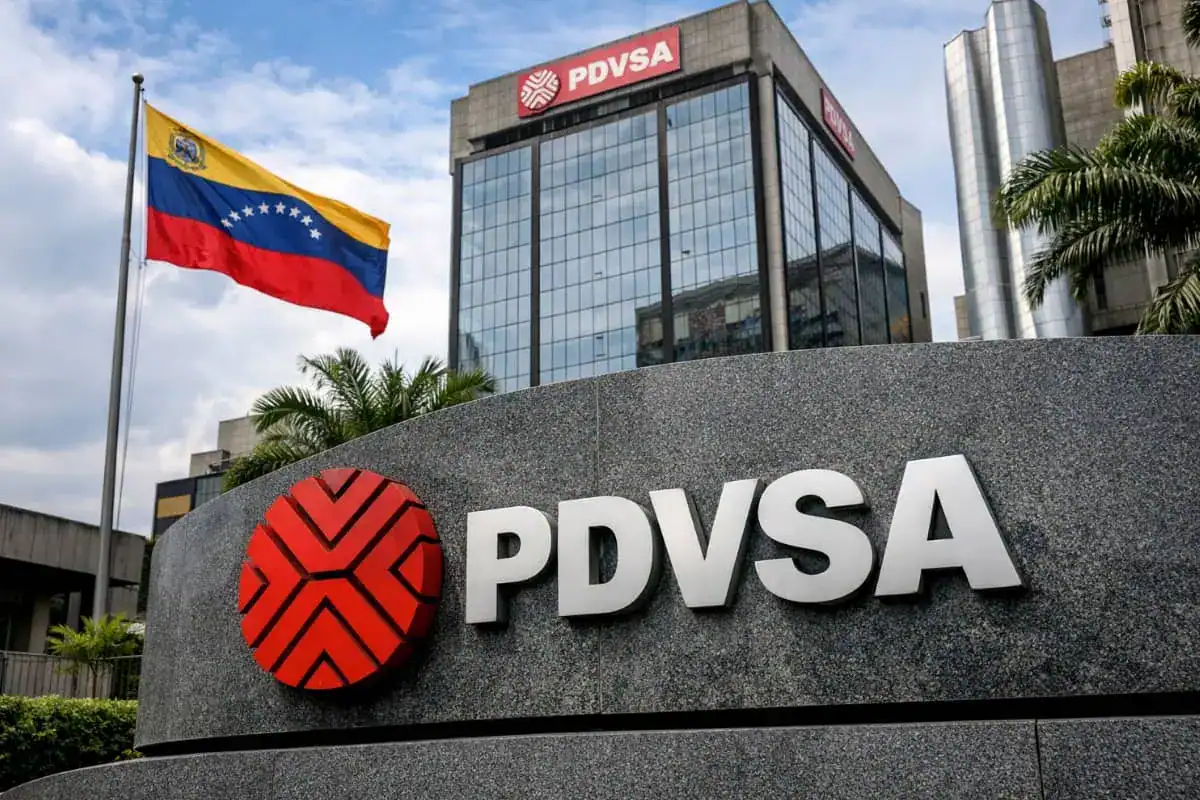
To understand why this shift matters, it helps to recall how Venezuela’s oil trade was structured after sanctions hit. When Washington barred US companies and many foreign partners from dealing directly with PDVSA, trading houses stepped into the gap. They bought Venezuelan barrels at a discount, arranged shipping and insurance, and resold the crude to end users in Asia and Europe. That arrangement kept oil flowing but meant Caracas had to accept lower net revenue because the middlemen took a cut. The current pivot back to direct sales is therefore not just a commercial tweak; it is a signal that PDVSA believes it can once again manage customer relationships, credit risk and logistics on its own, or with its joint-venture allies.
Why PDVSA Is Cutting Out the Trading Houses
Vitol and Trafigura still control the largest share of Venezuelan exports, under agreements signed with Caracas in January and overseen by Washington. Those deals let the two houses lift more than 100 million barrels in six months for resale to end buyers.
The direct model may secure better prices for PDVSA over longer contract periods, sources involved in the negotiations said. The state company also wants to diversify destinations and lock in long-term outlets for heavy grades that can be hard to place. Heavy crude like the flagship Merey 16 requires specialised refineries equipped with cokers or other upgrading units, so finding steady homes for those barrels is a permanent challenge. By dealing directly with refiners that have exactly that kind of hardware, PDVSA reduces the risk of having to offer steep discounts when a cargo needs a quick buyer.
Both traders are digging in regardless. Trafigura already has a small team operating in Caracas, and Vitol is preparing to hire around a dozen people there. Their physical presence suggests they expect to remain relevant even as the sales model evolves, perhaps by providing logistics, blending services or financing that PDVSA and its customers still need.
Which Refiners Have Returned to Venezuelan Crude
US refiner Phillips 66 began buying spot cargoes from PDVSA in May, its first purchases in seven years, and was allocated three cargoes of Venezuela’s flagship Merey 16 heavy crude in July for loading at José, the country’s main oil port. For a refiner that had been absent since sanctions severed ties, returning to direct purchases is a notable vote of confidence in the reliability of loading schedules and the quality of the crude on offer.
India’s Reliance Industries also started direct purchases in May, adding those barrels to volumes bought from Vitol, Trafigura and Chevron. Valero Energy and Thailand’s Tipco Asphalt are expected to follow, though neither had been assigned loading windows as of mid-July. Tipco’s interest makes particular sense: Venezuelan heavy crude yields a high proportion of asphalt, which is the Thai company’s core business.
All four held supply contracts with PDVSA until early 2019, when US sanctions cut Venezuelan exports to the United States, Europe and parts of Asia. Their reappearance suggests that the legal and logistical obstacles that kept them away are being navigated, though the precise licensing arrangements that permit their purchases have not been disclosed publicly.
How Chevron, Repsol and Eni Are Expanding
Chevron exported some 293,000 bpd of Venezuelan crude in the second quarter, up from 223,000 bpd in the first. The increase reflects a steady ramp-up rather than a sudden jump, consistent with the company’s cautious approach to operating under a specific US licence.
Spain’s Repsol started loading Merey 16 directly at José in July after months of buying through traders. Eni was allocated a Europe-bound cargo this year. In both cases the oil is amortising debt owed to the companies, sources said. That mechanism — taking crude as repayment rather than as a commercial purchase — has been a key way for European firms to recover outstanding obligations while staying within the bounds of sanctions. Chevron, Repsol and Eni have all announced oil and gas project expansions in Venezuela this year, hinting that they see a durable opening rather than a short-term window.
The US Energy Department said in May that Venezuela’s total oil sales were running at US$2 billion to US$3 billion a month, with about half the volume bound for the United States. That scale highlights why so many players are jostling for position.
Why South Korea Is Buying After 23 Years
South Korea is preparing to import Venezuelan crude for the first time in more than two decades. Seoul and the refining sector moved to reopen the trade after the effective closure of the Strait of Hormuz cut Middle Eastern flows to Asia’s fourth-largest economy. The strait, a narrow waterway between Iran and Oman, is the world’s most important oil transit chokepoint; any disruption there forces Asian buyers to scramble for alternative supplies.
SK Energy and HD Hyundai are among the interested parties. Shipments, if they proceed, are expected to be arranged through Trafigura. The fact that a trader is still in the middle of this new route shows that the shift to direct sales is not absolute. For a buyer entering a market after a 23-year absence, using an intermediary with established logistics and compliance expertise can be the safest first step.
What to watch next is whether Valero and Tipco Asphalt firm up loading schedules, and whether South Korea’s trial shipments turn into a regular programme. Another open question is how Vitol and Trafigura will adapt if more refiners follow Phillips 66 and Reliance in buying straight from PDVSA. The trading houses are not exiting; they are hiring. But their role may shift from dominant reseller to service provider, a change that would reshape the economics of every barrel leaving José.
Connected Coverage
Oil Surges: USO Hits US$129.31, Petrobras at US$18.59 · Oil Wrap: WTI Slips, Latin Majors Diverge
More: Venezuela news in English, every day from The Rio Times.
Frequently Asked Questions
How much oil is Venezuela exporting in 2026?
More than 1.2 million barrels per day of crude and fuel, up from an average of 847,000 bpd in 2025.
Which companies are buying Venezuelan crude directly?
Phillips 66 and Reliance Industries resumed direct purchases in May; Repsol began loading directly in July and Eni was allocated a cargo this year. Valero and Tipco Asphalt are expected to follow.
Why is South Korea returning to Venezuelan oil?
The effective closure of the Strait of Hormuz cut Middle Eastern supply, pushing Seoul and refiners including SK Energy and HD Hyundai to diversify sources for the first time in 23 years.
Sources
Sources: PDVSA; Vitol; Trafigura.
This article was produced by The Rio Times’ automated newsroom system. How we use AI · Report an error
Read More from The Rio Times