US Extends Brazil Emergency, Keeping Tariffs on Imports
US-Brazil Relations
Key Facts
—Extension date. The White House extended the Brazil national emergency on July 28, 2026, keeping it active until at least July 30, 2027.
—Legal basis. The emergency was originally declared in Executive Order 14323 on July 30, 2025, by President Donald Trump.
—Stated justification. The White House cited censorship by Brazilian courts, human rights violations, and political persecution of a former president and his supporters.
—Tariff context. The emergency underpinned earlier 40% duties; a separate 25% Section 301 tariff on most Brazilian imports was imposed in July 2026.
—Immediate effect. The extension keeps the legal declaration alive but does not by itself restore tariff packages already struck down or replaced.
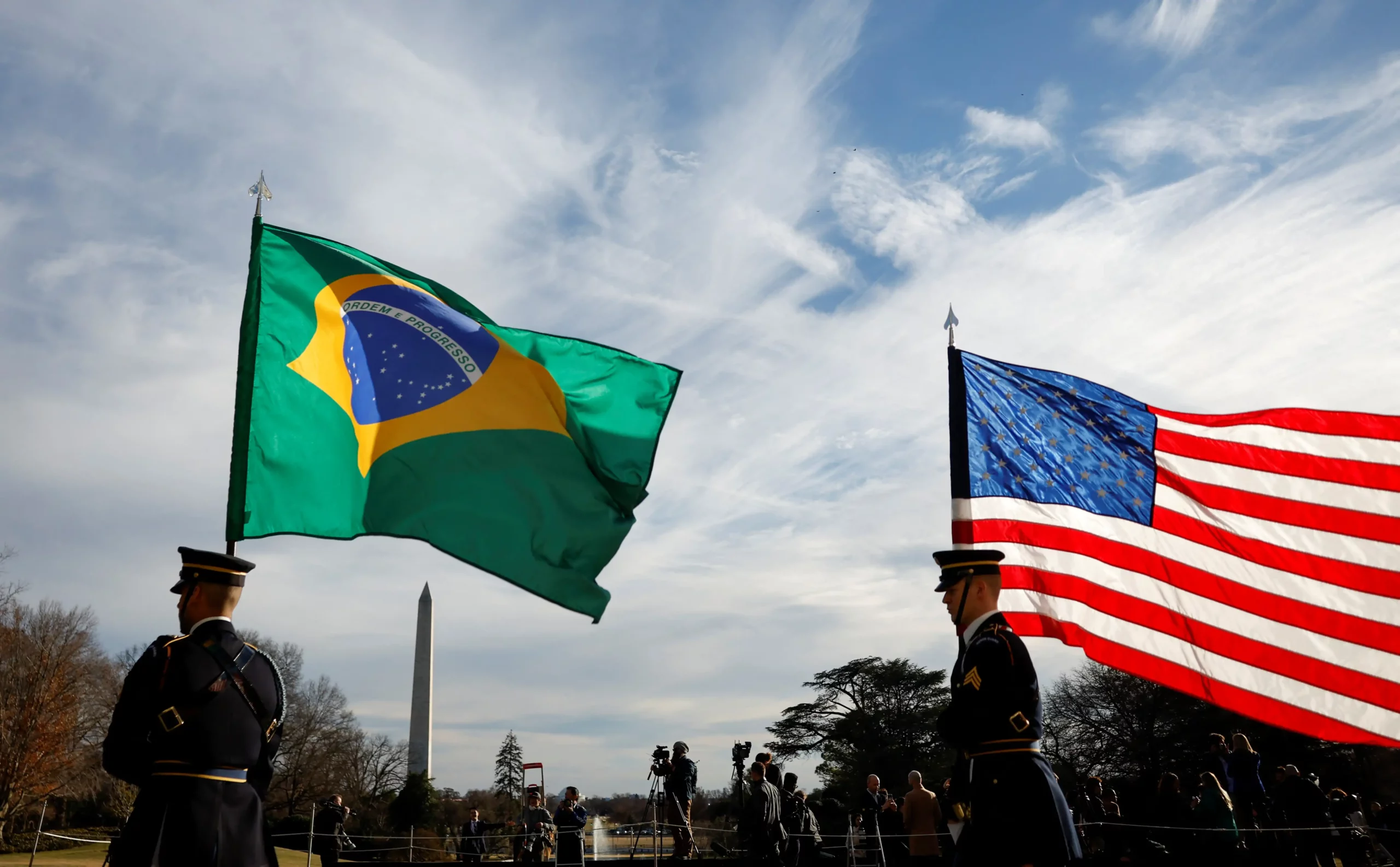
The United States extended its Brazil national emergency for another year on July 28, 2026, preserving the legal architecture that has underpinned sanctions pressure and tariff actions against Latin America’s largest economy since mid-2025.
What the Extension Actually Does
The White House notice, set for publication in the Federal Register on July 29, confirmed the emergency would remain in effect until at least July 30, 2027. The declaration originated with Executive Order 14323, signed by President Donald Trump on July 30, 2025.
The extension itself does not create new sanctions or automatically restore tariff packages that have been modified or replaced. It keeps the underlying legal declaration alive, which serves as the statutory foundation for measures already taken and preserves the option for further action.
For businesses and investors, the practical significance lies in the signal it sends. The emergency framework remains Washington‘s primary lever for pressuring Brasília on judicial, trade, and human-rights issues.
The White House Justification: Censorship and Political Persecution
The extension notice repeated the core charges from the original 2025 order. The White House said Brazilian government policies and actions interfere with the US economy, violate human rights, and restrict free expression of American citizens.
It specifically cited Brazilian Supreme Court orders removing online content and ordering arrests for protests as examples of what it called censorship. The notice also repeated the claim that a former Brazilian president, his family, and supporters were being subjected to political persecution.
The White House argued these actions undermine the rule of law and contribute to human rights violations. The language tracks closely with criticisms levelled by former President Jair Bolsonaro and his allies against Supreme Court Justice Alexandre de Moraes.
The Tariff Picture: Two Separate Tracks
The original July 2025 emergency order imposed an additional 40% ad valorem duty on certain Brazilian products, effective August 2025. That tariff framework was later modified through subsequent executive actions and trade negotiations.
In July 2026, a separate US action imposed a 25% tariff on most Brazilian imports under Section 301 of the Trade Act, citing alleged unfair trade practices.
This new tariff operates on a distinct legal track from the national-emergency duties, though both reflect the same broader deterioration in bilateral commercial relations.
Brazilian officials have prepared retaliation responses to the new Trump tariffs, according to reporting. However, no specific official reaction to the one-year emergency-extension notice itself has been documented in the available sources.
The Brazil National Emergency and the Judiciary Dispute
The emergency declaration has been closely tied to the legal cases against Bolsonaro and his circle. The STF convicted Bolsonaro to 27 years in prison on charges tied to an attempted coup d’état and the January 8, 2023 events in Brasília.
The White House has characterised those prosecutions as political persecution. The Brazilian Supreme Court and its defenders argue the convictions represent legitimate accountability under Brazilian law for documented plots against the democratic order.
The US has also imposed visa revocations and sanctions on Moraes and other Brazilian judicial figures.
These measures mirror tools Washington has used against judges in Venezuela, a comparison that Brasília has sharply rejected.
What It Means for Investors and Expats
The extension keeps a cloud of uncertainty over bilateral trade and investment flows. Companies with Brazil exposure face a fragmented tariff landscape where emergency duties and Section 301 penalties may overlap or shift with little warning.
For expats and professionals moving between the two countries, the visa and sanctions dimension adds personal risk. Americans with business or family ties to figures in Bolsonaro’s orbit or the Brazilian judiciary should monitor sanctions lists carefully.
The broader Latin America read-through is clear. Washington is willing to use emergency powers against major regional economies over domestic political and judicial disputes, not just traditional security threats.
That precedent matters for Mexico, Colombia, and others.
What to Watch Next
The emergency now runs through July 2027, but the White House can modify or terminate it at any time. Watch for whether the Trump administration uses the declaration to impose new sanctions or tariff rounds, particularly if the STF proceeds with additional convictions.
Brazil’s retaliation to the Section 301 tariffs will be the next concrete milestone. How far Brasília escalates, and whether it links its response to the emergency declaration, will shape the investment climate for the remainder of the year.
Congressional oversight in Washington may also come into play. Emergency declarations are subject to periodic review, and some lawmakers have questioned the use of national-emergency powers for trade and judicial disputes with a democratic ally.
Background: our bringing your pet to brazil the complete mapa guide for expats guide.
Background: our buying property in brazil as a foreigner complete guide.
Background: our investing in brazil guide.
Background: Brent Crude Hits US$100 as Houthi Attacks Disrupt Red Sea.
Frequently Asked Questions
Does the Brazil national emergency extension impose new tariffs?
No. The one-year extension keeps the legal declaration active but does not by itself create new duties or restore tariff packages that have been struck down or replaced.
A separate 25% Section 301 tariff on most Brazilian imports was imposed in July 2026 on different legal grounds.
Why did the White House cite Brazilian court actions in the extension?
The White House repeated claims from the original 2025 order that Brazilian Supreme Court orders removing online content and ordering arrests constitute censorship. It also argued that prosecutions of former President Jair Bolsonaro and his supporters amount to political persecution that undermines the rule of law.
How long will the Brazil national emergency remain in effect?
The extension runs until at least July 30, 2027. The president can renew it annually, modify its terms, or terminate it at any time.
The emergency must be reviewed periodically, and Congress retains oversight authority over the declaration.
Connected Coverage
Sources: The White House; Executive Order 14323.
This article was produced by The Rio Times’ automated newsroom system. How we use AI · Report an error
Read More from The Rio Times