Cuban Doctors in Uruguay: Government Weighs Paying Them Directly After US Listing
Uruguay · Politics
Key Facts
- —What happened Búsqueda reported on 17 September 2026 that ministries are studying direct payments to the Cuban eye-care brigade.
- —Why A State Department report to Congress in late August listed Uruguay among 15 countries paying Cuba directly for medical workers.
- —The catch US law bars aid only to countries named two years running; Uruguay has been named once.
- —What ministers said Between 8 and 14 September, senior officials told local media the programme would continue.
- —Who the doctors are The State Department counted 21 Cuban workers in Uruguay in 2026, based at a Montevideo eye hospital.
- —What Uruguay pays The social security institute pays US$250,000 a year; its president says this covers expenses, not salaries.
A US report to Congress named Uruguay among 15 countries paying Havana for medical staff. Ministers defended the programme in public; officials are now studying a change in how the doctors are paid.
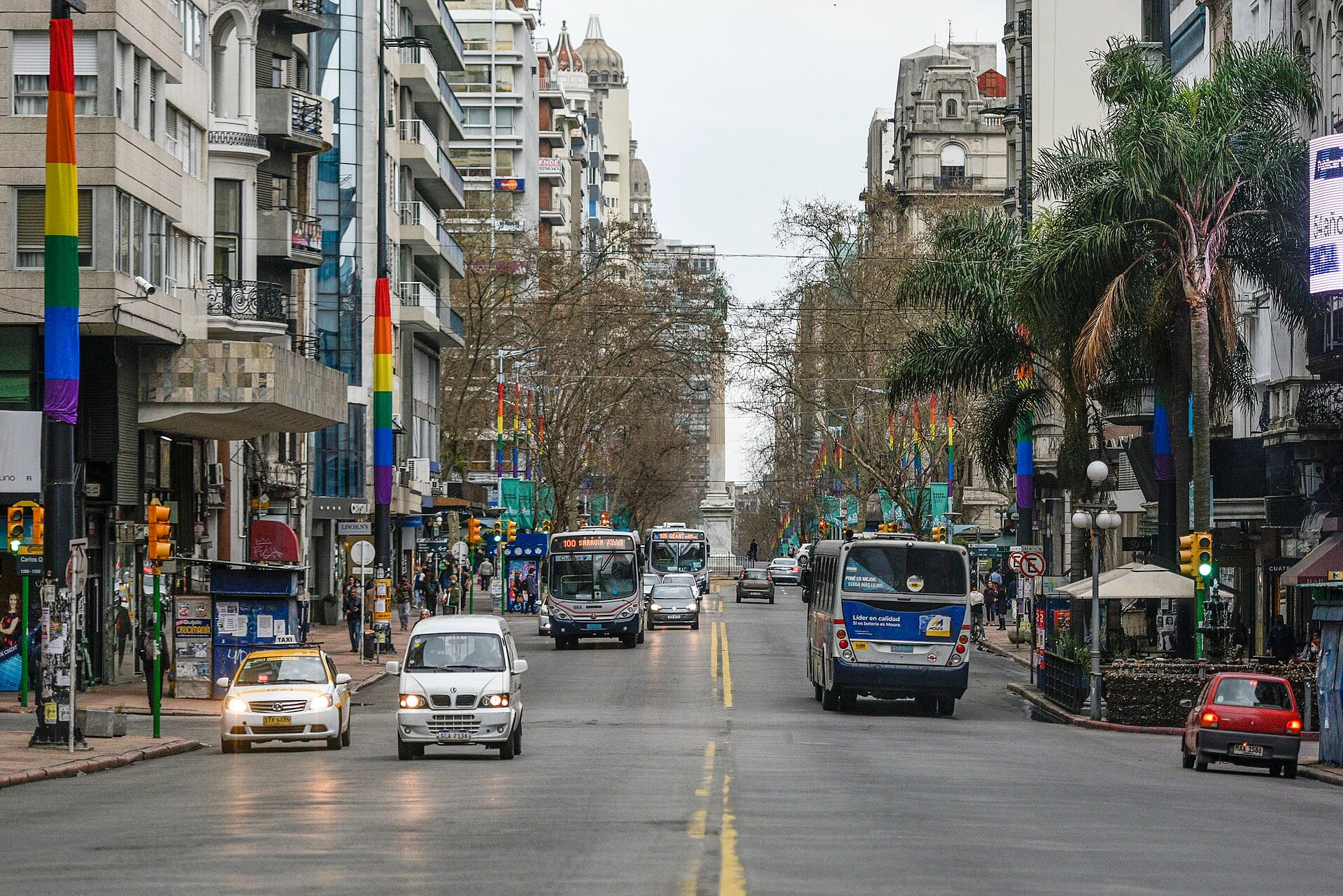
The government is studying a way to pay the Cuban doctors in Uruguay directly, the weekly Búsqueda reported on 17 September 2026. The aim is to answer a US complaint without ending a programme ministers have defended.
At stake is a Cuban eye-care brigade at a public hospital in Montevideo. Washington calls Havana’s medical missions forced labour and has put Uruguay on a list that could eventually cost it US aid.
The plan for direct payment
The foreign ministry is working with the health ministry, the state health provider ASSE and the Banco de Previsión Social, Búsqueda said. That is Uruguay’s social security institute, which funds the programme.
Government sources told the weekly that direct payment would not alter the agreement with Cuba but would resolve the US criticism. No decision has been announced.
What Washington put on paper
The trigger was a State Department report on forced labour and trafficking of Cuban medical professionals, sent to Congress in late August. Búsqueda obtained a copy.
The report says Cuba’s government keeps “a policy or pattern of forced labour” in its labour-export programme. It lists 15 countries, Uruguay among them, whose governments pay Havana directly for the workers.
The report adds that some of those 15 “may also be paying a stipend to the workers themselves”. It counted 21 Cuban workers in Uruguay so far in 2026.
A budget law passed by Congress in February 2026 requires the report each year, the US embassy in Montevideo told Búsqueda. The same law bars US assistance to any country named in two consecutive years.
Uruguay was listed because “the payments go directly to the Cuban embassy”, the embassy said. It added that there is “no evidence” the doctors themselves are paid for treating Uruguayans.
According to Búsqueda, Washington notified Uruguay’s foreign and defence ministries on Friday 4 September 2026. A foreign ministry source called the note a “non-paper”, an informal diplomatic communication.
How ministers responded last week
The story broke on Tuesday 8 September, when journalist Gabriel Pereyra of Radio Sarandí reported the warning. He said US military aid was at stake.
Foreign Minister Mario Lubetkin told reporters that day that there had been “no official communication from the United States” on the subject. He added that it was “one of the many subjects on which we are in dialogue”.
On the programme itself, Lubetkin called the Cubans’ work “extraordinary”. “Very good things we have to preserve, and we are going to preserve them,” he said.
Alejandro Sánchez, secretary of the presidency and a close aide to President Yamandú Orsi, was blunter. “We obey the Uruguayan people,” he said on Sunday 13 September, as reported by the state media portal.
Sánchez had spoken to the newspaper El Eco on 12 September, in an interview it published on 21 September. “We are going to keep working with the Cuban doctors,” he told it.
Deputy Foreign Minister Valeria Csukasi struck a softer note on Monday 14 September. “Pressure is not the best term,” she said, describing embassies voicing concern as routine diplomacy.
“At the end of the day Uruguay acts as it sees best,” Csukasi added, according to the news agency FocoUy.
The eye hospital at the centre of the row
The Cubans work at the José Martí Eye Hospital, which sits on the grounds of the Saint Bois public hospital in Montevideo. The programme rests on a 2007 agreement between the two governments.
It treats mainly low-income patients and pensioners, many for cataracts. Up to July 2025 it had carried out 118,029 eye operations, according to government figures cited by Búsqueda.
Álvaro Danza, president of ASSE, said on 8 September that “about 15” Cuban professionals were working there. He said they included technicians as well as doctors.
The Banco de Previsión Social pays US$250,000 a year, its president, Jimena Pardo, told a morning television programme on 15 September. The sum covers stipends, fares and travel costs under a 2011 agreement, Búsqueda reported.
“What Uruguay reimburses is called a stipend; it is a reimbursement of expenses,” Pardo said. She said Uruguay pays no salaries, which the Cuban government handles.
Why Washington targets the missions
Cuba has sent doctors abroad since the 1960s, and many host countries pay Havana for them. Washington calls the scheme forced labour, arguing that Cuba keeps much of the fee and controls the workers.
In February 2025 Secretary of State Marco Rubio expanded US visa restrictions to officials, including foreign ones, involved in the programme. On 23 July 2026 Washington sanctioned Cuba’s health minister and the state agency that sells medical services abroad.
A White House spokeswoman told ABC News the missions are “a forced labor scheme that exploit Cuban workers”. The US embassy also cites an April 2026 report by the Inter-American Commission on Human Rights, an independent regional body.
What Havana says
Cuba rejects the forced-labour label and presents the missions as solidarity. Foreign Minister Bruno Rodríguez said in July that Washington was punishing Cuba “for providing a humane and solidarity-based service.”
The missions also bring in hard currency. Professional services supplied over 40% of Cuba’s export value from 2018 to 2020, official statistics cited by EFE show.
Other governments have adjusted
Guatemala, Honduras, Jamaica and others have suspended or modified their Cuban medical agreements under US pressure, OnCuba News reported in July. Guyana announced in February that it would pay its Cuban doctors directly, Al Jazeera reported.
Uruguay says it will keep the programme while it looks at changing how the doctors are paid. Nobody in Uruguay has been accused of wrongdoing.
No US penalty applies yet, because the aid ban takes effect only after a second consecutive listing. For now, the Cuban doctors in Uruguay keep operating.
More: Uruguay coverage, every day from The Rio Times.
Frequently Asked Questions
Why is the US criticising Uruguay?
A State Department report sent to Congress in late August 2026 named Uruguay among 15 countries that pay the Cuban government directly for medical workers. Washington considers Cuba’s medical missions forced labour. The US embassy in Montevideo said payments go to the Cuban embassy and there is no evidence the doctors are paid for their work in Uruguay.
Will Uruguay lose US aid?
Not yet. Under a US budget law passed in February 2026, assistance is barred only for countries named in the report two years in a row, the US embassy told Búsqueda. Uruguay appeared for the first time in 2026.
How many Cuban doctors are in Uruguay?
The State Department counted 21 Cuban workers in Uruguay during 2026. On 8 September the head of the state health provider ASSE said about 15 professionals, including technicians, were working at the José Martí Eye Hospital in Montevideo.
What has the government said about the Cuban doctors in Uruguay?
On 8 September Foreign Minister Mario Lubetkin said Uruguay was in dialogue with the United States on the issue. Separately, he said the programme had done very good things that Uruguay would preserve. Presidential secretary Alejandro Sánchez said the government would keep working with the Cuban doctors, and ministries are now studying paying them directly.
Sources: Búsqueda on the State Department report, Búsqueda on the US embassy’s explanation, Búsqueda on the planned payment change, Montevideo Portal on Lubetkin and Danza, Medios Públicos on Alejandro Sánchez, El Eco interview with Sánchez, Telenoche, citing FocoUy, on Valeria Csukasi, Telenoche on BPS funding, Infobae on the US$250,000 budget, OnCuba News on Havana’s response to US sanctions, Al Jazeera on the US visa policy, ABC News on the White House position
This article was produced by The Rio Times’ automated newsroom system. How we use AI · Report an error
Read More from The Rio Times