Uruguay Port Strike: 24-Hour National Stoppage Set for 21 September
URUGUAY · BUSINESS
Key Facts
- —What happened Uruguay’s port union SUPRA called a 24-hour national port strike from 07:00 Monday 21 September 2026.
- —The context Talks over a new TCP labour agreement have run since January 2026, with a 72-hour strike in August.
- —Why it matters Montevideo is Uruguay’s main container gateway, so the strike can delay imports and exports.
- —The catch This is a port-sector strike, not a general strike, and the government imposed minimum services, not an essential-services decree.
- —Who it affects Dockworkers, freight forwarders, importers, exporters and investors in Uruguayan logistics, retail and farm exports.
- —What comes next Watch for any deal before Monday, TCP schedule notices, and a union assembly on Thursday 24 September 2026.
A 24-hour national port strike will test how far Uruguay’s government can keep Montevideo’s main container terminal running during a long labour dispute.
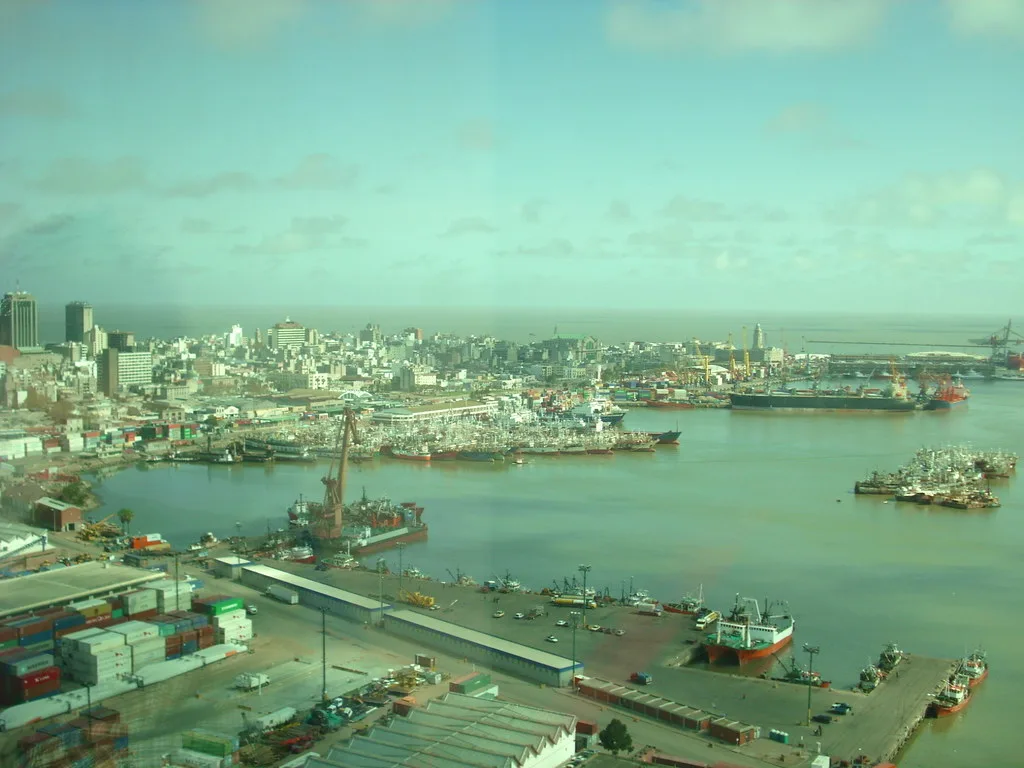
The Uruguay port strike is set to run for 24 hours from 07:00 on Monday 21 September 2026. SUPRA (Sindicato Único Portuario y Ramas Afines), the national port union, opposes a government minimum-services rule at Montevideo’s main container terminal.
What the Uruguay port strike covers
SUPRA announced the national port strike on Friday 18 September 2026. It starts at 07:00 on Monday 21 September and ends at 07:00 on Tuesday 22 September.
This is a port-sector strike, not a general strike. It affects dock work and related port services, not factories, shops or offices.
The union also called a general assembly for Thursday 24 September 2026, with work stopping from 08:00. Members will meet at the port authority grounds in Montevideo and at the gate in Nueva Palmira.
SUPRA calls the government rule “excessive” and “arbitrary” and says it limits the right to strike. The PIT-CNT, Uruguay’s national union federation, has backed that view.
The resolution behind the dispute
Two ministries issued the resolution on Friday 11 September 2026: Labour and Social Security (MTSS) and Transport and Public Works (MTOP). It took effect at 00:00 on Saturday 12 September.
It was signed by Labour Minister Juan Castillo and Transport Minister Lucía Etcheverry. The government called the measure transitory and limited.
The rule requires minimum cover for loading and unloading container ships. It also covers receiving full and empty containers, plus storage and depot services.
Road transport must move at least 25 containers per hour. Refrigerated, perishable and health-sensitive cargo must be handled in full.
The rule stays in force until another administrative act ends it. The government says its aim is safety and continuity at the terminal.
Why the government chose minimum services
The conflict is a collective bargaining dispute between TCP and its workers over a new labour agreement. TCP’s main shareholder is the Belgian group Katoen Natie.
TCP runs the specialised container terminal at the Port of Montevideo under a concession that lasts until 2081. It is Uruguay’s main container terminal operator.
Talks have run since January 2026, and workers held a 72-hour strike in August. On 8 September the government gave both sides 72 hours to agree on minimum services themselves.
TCP had asked the government to declare the terminal an essential service, which would limit strikes more sharply. Minister Etcheverry said an essential-services decree did not apply to the port.
When the deadline passed without a deal, the ministries set the minimum services themselves. Presidency Secretary Alejandro Sánchez said the government acted after dialogue stopped producing results.
The rule has already been tested
The first stoppage under the new rule came this week. TCP workers stopped work from Wednesday 16 September at 16:00 until Thursday 17 September at 23:00.
Minimum services were reported to have been kept during that stoppage. It was the first time the regime was applied at the port.
TCP workers then began a further 24-hour stoppage from 23:00 on Friday 18 September. The terminal is again operating under the minimum-services regime.
Monday’s action is wider because SUPRA has called it for ports across the country. It falls just days after the TCP stoppage ends.
Who governs Uruguay and where the president stands
Uruguay is governed by President Yamandú Orsi of the left-leaning Frente Amplio coalition. The ministers who signed the rule serve in his cabinet.
On 11 September 2026, Orsi urged caution and said conditions did not justify declaring the port essential. He said the government wants to respect the right to strike while protecting a strategic service.
What is not yet known
On 14 September, SUPRA said it would ask to meet Sánchez, Castillo and Etcheverry about the rule. No such meeting has been publicly confirmed.
The union has not said how many members will stop work on Monday. It is also unclear how many containers will move at TCP under the minimum-services rule.
The government has not signalled any change to the resolution. SUPRA has not said whether it will extend the stoppage if nothing changes.
What it means for expats and investors in Latin America
For expats and investors in Latin America, the Uruguay port strike shows how quickly port labour disputes can interrupt trade. Montevideo is Uruguay’s main gateway for container imports and exports.
If you import goods through Montevideo, check with your freight forwarder about delays on 21 and 22 September. If you export, ask whether your cargo counts as refrigerated or perishable under the rule.
Investors in Uruguayan logistics, retail or farm exports should watch whether the dispute grows. A one-day strike is manageable, but repeated stoppages would raise costs.
The bigger signal is legal. Uruguay is testing how far a government can limit a port strike without declaring it an essential service.
What to watch before Monday
Watch for any statement from SUPRA or the ministries before 07:00 on Monday. A deal could still suspend or shorten the strike.
Watch TCP notices about vessel schedules and container pickups. Some delays may appear before the strike starts.
The strike is set to end at 07:00 on Tuesday 22 September 2026, with the assembly two days later.
Frequently Asked Questions
Frequently Asked Questions
When is the Uruguay port strike?
It runs from 07:00 on Monday 21 September 2026 to 07:00 on Tuesday 22 September 2026.
What is SUPRA?
SUPRA is Uruguay’s national port workers’ union. It represents dockworkers, including those at Terminal Cuenca del Plata.
Did the government declare the port an essential service?
No. It imposed a minimum-services rule instead. Ministers and President Orsi said an essential-services declaration was not justified.
Connected Coverage
Argentina Ratifies a Chile Extradition Treaty and Hardens Its Malvinas Law
Milei Tours Two Investment Projects in a City That Is Also a Campaign Stop
Sources: Uruguay’s Ministry of Transport and Public Works and Ministry of Labour and Social Security, resolution of 11 September 2026; SUPRA via Caras y Caretas, Subrayado and la diaria; El Observador; El Cronista; Prensa Latina.
This article was produced by The Rio Times’ automated newsroom system. How we use AI · Report an error
Read More from The Rio Times