Uruguay Probes Death of Homeless Man, 83
Mides says its street teams visited the man four times, and that the emergency service was called on the fourth visit. The inquiry will test whether its written protocol was followed.

Society: Uruguay
Uruguay’s Ministry of Social Development, known as Mides, has opened an urgent administrative investigation into the death of an 83-year-old man. He had been living in a plaza in Buceo, a Montevideo neighbourhood.
Minister Gonzalo Civila said in an interview this week that Mides is investigating why SAME, Uruguay’s emergency medical service reached on 105, was not called at the first visit: “What we are investigating is why SAME was not called from the first intervention.” Its street teams had visited the man four times by then.
Key Facts
- Who. Mides, Uruguay’s Ministry of Social Development, led by Minister Gonzalo Civila.
- What. An urgent administrative investigation into the death of an 83-year-old man who lived in a plaza.
- Where. Buceo, a Montevideo neighbourhood; he died after being taken to a health centre.
- Power Index. Uruguay ranks 7th of 14 in The Rio Times Latin America Power Index, with 45.2 points (November 2026 edition).
- As of. 20 November 2026, 07:00 GMT.
Mides says its street teams visited the man four times, and that the emergency service was called on the fourth visit. The inquiry will test whether its written protocol was followed.
Street homelessness in Montevideo, the capital, grew between 2021 and 2023. Mides’ 2023 Montevideo street count, the ministry’s seventh census of the city, found 2,756 people in street situation at dawn on 1 August 2023.
Of those, 1,375 were outdoors and 1,381 were in Mides night centres according to the report. That total was about 24% higher than in 2021.
Mides does not reach people on the street alone, and it does not run every team itself. Its teams work under an agreement with a civil-society organisation, and Civila said this week that the written protocol is clear.
At the slightest health risk, he said, a team must call SAME on 105. An involuntary transfer needs a medical team to rule on it first.
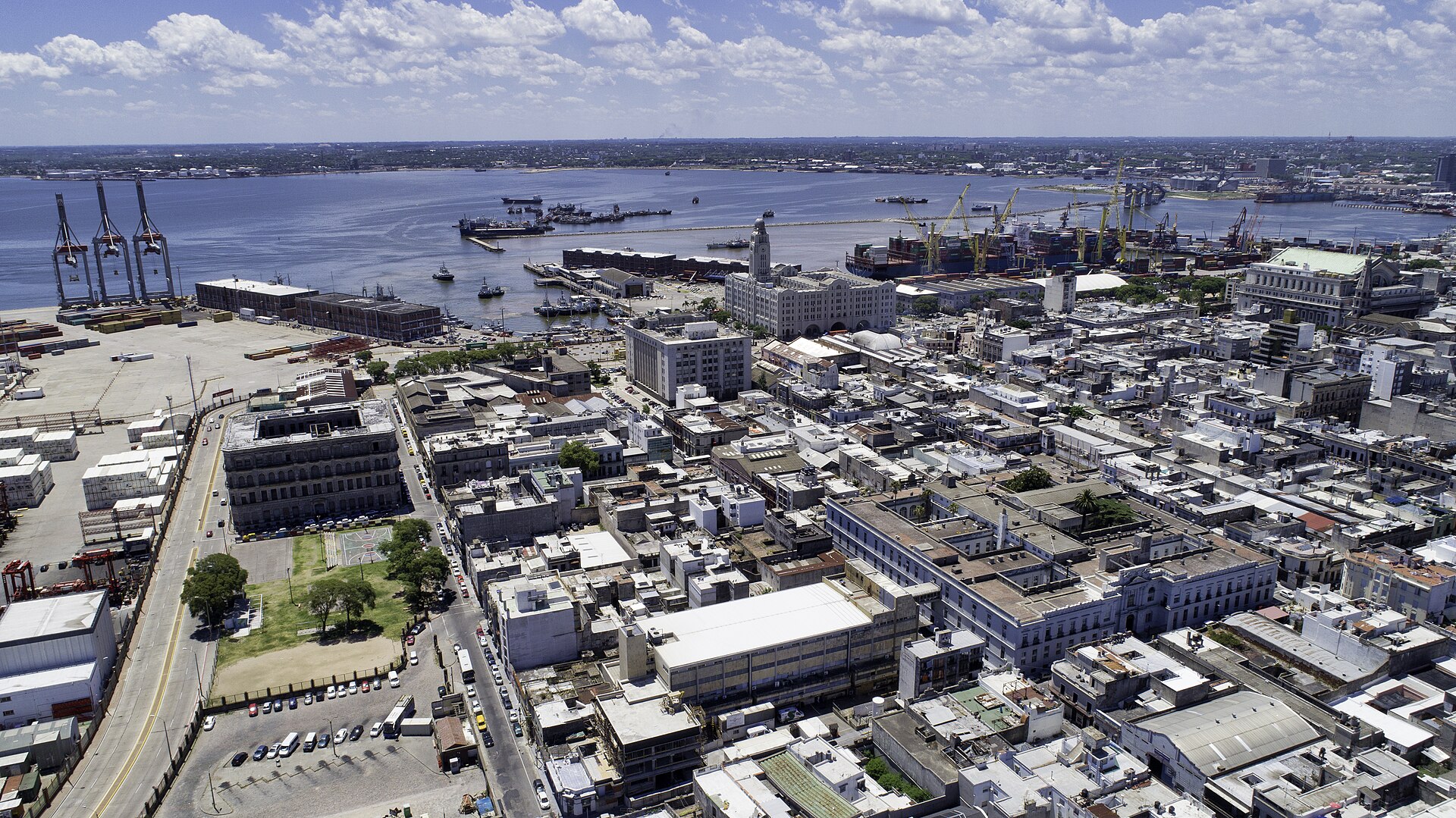
In the minister’s timeline of the four visits, the first citizen alert reached Mides on Sunday around 18:00. A team arrived about an hour later and spoke to the man.
The team judged that he should be monitored, because he did not wish to go to a Mides facility or a health centre. A second visit came before midnight on Sunday, and a third early on Monday morning.
The fourth visit came around 14:00 on Monday, when the team saw him in pain and judged it a health risk. It then called SAME, and he was taken to a health centre run under ASSE, the state health services administration.
Mides said ASSE told it that the man died of cardiorespiratory failure. The ministry also said an ASSE team came and decided the transfer on Monday afternoon.
Neighbours say the man lay in the plaza for days and that they called public bodies repeatedly. That is their account, and it has not been independently confirmed.
Pablo Abdala, a Uruguayan lawmaker, filed a formal request for information, known as a pedido de informes, on Thursday 19 November 2026. It concerns Mides’ actions in the case.
Civila first expressed regret for the death. He said Mides ordered the inquiry after gathering neighbours’ testimony that reached it through several channels, including the media and social networks.
Civila said the inquiry will cover each of the visits, which were made by pairs of technical staff. “We want to verify what happened and how each situation was handled,” he said.
Civila said the man’s condition differed from visit to visit, so what each team saw on each day must be established. He added that Mides will “act accordingly” once the investigation reports.
The death has already drawn a ministerial inquiry and a formal question from a lawmaker. Mides has not said whether its protocol requires teams to call SAME at the first visit.
Mides has not said when the investigation, an internal review run by the ministry itself, will report. The man’s identity and the teams’ account of why SAME was not called at the first visit have not been published.
Frequently Asked Questions
Why is Uruguay investigating the death of a homeless man?
Mides wants to establish why the emergency medical service was not called from the first visit. The ministry has not said when the inquiry will report.
What is Mides?
Mides is Uruguay’s Ministry of Social Development, which runs street teams and night centres for people without housing. Its teams work with a civil-society organisation.
What happens next?
The investigation will report, and Civila says Mides will act on its findings. Lawmaker Abdala’s request for information also concerns the ministry’s actions.
Sources
Mides’ 2023 Montevideo street count · the ministry’s account of the case · the minister’s timeline of the four visits
Connected Coverage
This article was produced by The Rio Times’ automated AI newsroom. Editorial responsibility: Matthias Camenzind, Publisher and Editor-in-Chief. The Rio Times also runs Ask Rio Times, which answers from 100,000+ of our own articles, the daily Latin America Power Map, and prediction-market odds on elections and markets.. How we use AI · Report an error