UNESCO Warns Vaca Muerta Pipeline Threatens Patagonia Site
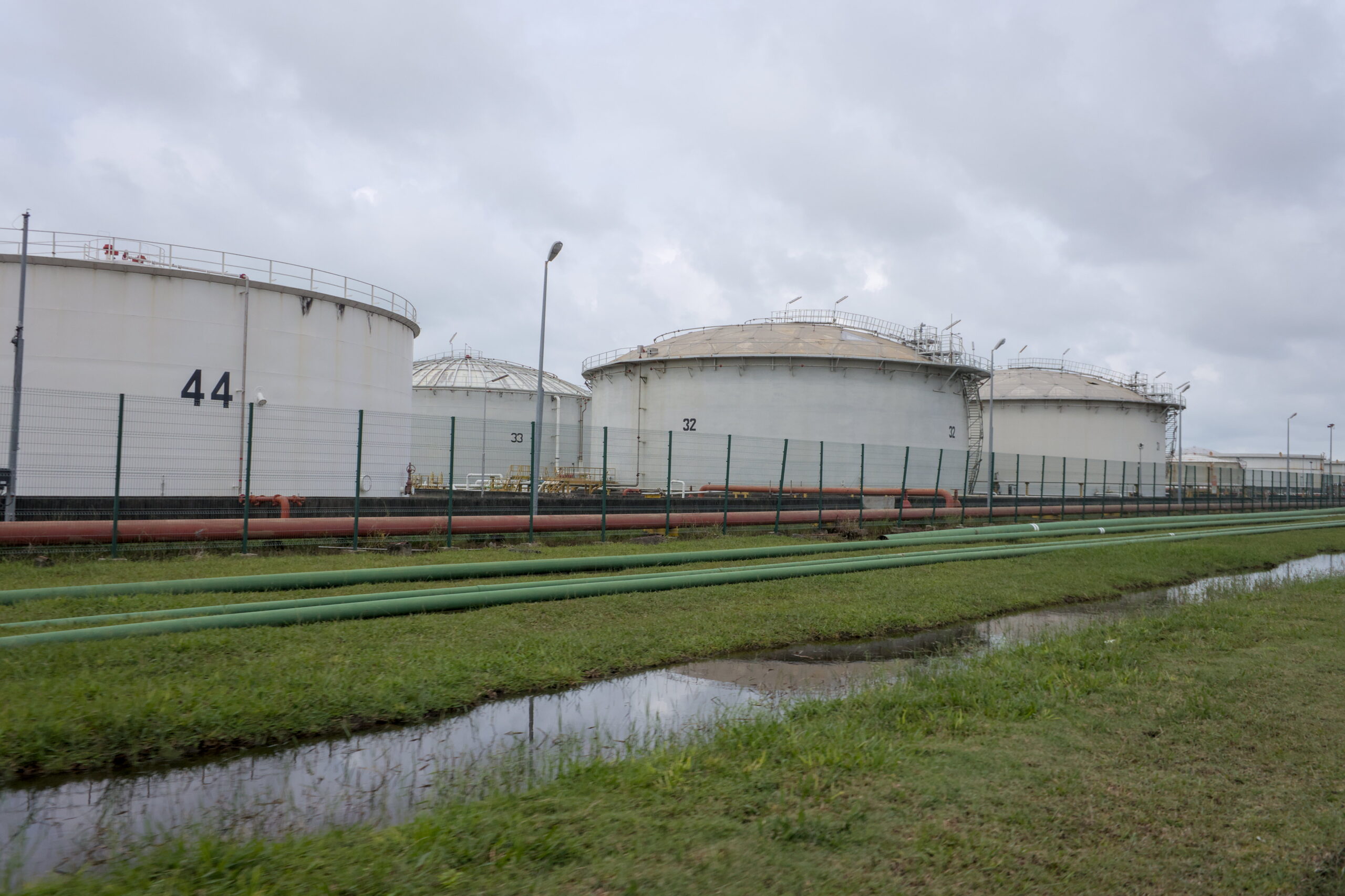
Argentina · Energy
Key Facts
—UNESCO request The World Heritage Committee asked Argentina to suspend works on the VMOS terminal in Punta Colorada, Golfo San Matías.
—Deadline Argentina must submit urgent additional environmental information by 1 February 2027.
—Project lead The export corridor is developed by a consortium led by state-controlled oil company YPF.
—Pipeline length The Vaca Muerta Sur pipeline stretches approximately 437 km from Neuquén to the Atlantic coast.
—Key risk area UNESCO’s concern centers on potential harm to the Península Valdés World Heritage site.
Vaca Muerta pipeline UNESCO tensions have escalated after the United Nations body formally requested Argentina suspend construction of a major crude-oil export terminal, demanding urgent environmental data before the project can proceed.
Vaca Muerta pipeline UNESCO: UNESCO Steps In Over Marine Ecosystem Fears
The United Nations Educational, Scientific and Cultural Organization (UNESCO) World Heritage Committee has asked Argentina to immediately suspend works on the Vaca Muerta Sur (VMOS) oil-export terminal. The project’s coastal finishing point sits at Punta Colorada in the Golfo San Matías, a sensitive Atlantic marine zone.
The committee set a firm deadline of 1 February 2027 for Argentina to deliver urgent additional environmental information. The decision reflects deep international concern that the current environmental-impact review may not adequately cover the project’s full effects.
For readers unfamiliar with the mechanism, the World Heritage Committee operates under a treaty ratified by nearly every country. When it issues a request like this, it is not a binding court order but a powerful diplomatic signal.
Ignoring it can lead a site to be placed on the List of World Heritage in Danger, a reputational blow that often complicates international financing and tourism.
The Vaca Muerta Sur Export Corridor
The VMOS project is a major crude-oil export corridor developed by a consortium led by YPF, Argentina’s state-controlled energy company. The pipeline is designed to carry shale oil from the vast Vaca Muerta formation in Neuquén province to the Atlantic coast for global export.
The pipeline stretches approximately 437 kilometers. Initial plans targeted operations to begin in late 2026, a timeline now clouded by the UNESCO intervention.
Vaca Muerta itself is a geological formation spanning an area roughly the size of Belgium. Its name, Spanish for “Dead Cow,” belies its economic importance: it holds some of the planet’s largest recoverable shale oil and gas resources outside North America.
For Argentina, transforming these resources into dollars through exports is a cornerstone of its strategy to stabilize a chronically turbulent economy.
Why Península Valdés Is the Flashpoint
UNESCO’s primary concern centers on possible harm to the Península Valdés World Heritage area, a globally renowned sanctuary for marine life. The committee specifically questioned whether the environmental review adequately covered risks from fossil-fuel transport through the Golfo San Matías terminal.
The listed risks include collisions with cetaceans, underwater noise pollution, and the ever-present danger of oil spills. Conservation groups have amplified these warnings, arguing that increased port activity and tanker traffic could threaten whales and the broader marine ecosystem.
Península Valdés is not just any protected area. It is a critical breeding ground for the endangered southern right whale, along with large colonies of elephant seals, sea lions, and Magellanic penguins.
The site earned its World Heritage status precisely because these species depend on its quiet, relatively undisturbed waters—conditions that industrial shipping can fundamentally alter.
Project Backers Defend the Review Process
On the company side, officials and some governmental processes maintain that the project is being rigorously reviewed through established environmental assessments. They argue that potential impacts are being evaluated according to national law.
The tension mirrors a classic development-versus-conservation standoff. Argentina sees the pipeline as vital for monetizing the Vaca Muerta shale play, one of the world’s largest unconventional hydrocarbon reserves, to generate much-needed export revenue in US dollars.
This standoff is especially acute because Argentina’s national environmental licensing process and UNESCO’s international standards do not always align perfectly. A project can clear domestic hurdles yet still face questions from a body that applies a global, precedent-setting lens to threats near World Heritage sites.
International Scrutiny and Next Steps
The UNESCO request adds to growing international scrutiny of the Vaca Muerta expansion. Various global bodies and non-governmental organizations have previously raised alarms about the social and environmental footprint of the shale boom in northern Patagonia.
Argentina now faces a diplomatic and logistical challenge. It must either satisfy UNESCO’s demands with comprehensive new data by early 2027 or risk a prolonged conflict that could delay a strategic national infrastructure project and unsettle foreign investors watching the regulatory landscape.
What to watch next is whether Argentina formally pauses construction or continues work while preparing its response. Another open question is how the consortium’s international financial backers will interpret the UNESCO request when weighing their continued involvement.
The committee’s eventual assessment of the submitted environmental data will also set an important precedent for how fossil-fuel infrastructure near World Heritage sites is handled globally.
More: Argentina news in English, every day from The Rio Times.
Frequently Asked Questions
What exactly did UNESCO ask Argentina to do?
UNESCO’s World Heritage Committee asked Argentina to suspend works on the Vaca Muerta Sur terminal in Punta Colorada and submit urgent additional environmental information by 1 February 2027.
Why is the Vaca Muerta pipeline a concern for UNESCO?
The pipeline terminal in the Golfo San Matías poses potential risks to the Península Valdés World Heritage site, including whale collisions, underwater noise, and oil spills that could damage the marine ecosystem.
Who is building the Vaca Muerta Sur pipeline?
The project is being developed by a consortium led by YPF, Argentina’s state-controlled oil company, to transport crude from Neuquén province to the Atlantic coast for export.
Connected Coverage
Milei Starlink Schools Deal Connects 6,000 Rural Sites
Argentina Markets: Merval & the Peso — July 27, 2026
Sources: UNESCO World Heritage Committee.
This article was produced by The Rio Times’ automated newsroom system. How we use AI · Report an error · Editorial responsibility: Matthias Camenzind, Editor-in-Chief