Uganda Invictus Games Exit Lasted Eleven Days and One Phone Call
Uganda · Society
Key Facts
- —What the Invictus Games are An international sports event for wounded, injured and sick military personnel and veterans.
- —Who founded them Prince Harry, in 2014. The first Games were held in London that September.
- —What Uganda did It joined in July, withdrew on 3 September, and rejoined on 14 September.
- —Why it withdrew Its military chief understood that the Games lacked the King’s endorsement.
- —What changed his mind The King’s principal private secretary telephoned to say the King had no objection.
- —Where the next Games are Birmingham, England, in 2027. Uganda would be the second African country to compete.
Uganda joined the Invictus Games in July as its 26th nation and the first from East Africa. Twelve days ago it walked out, on the belief that King Charles did not approve. On Monday his private secretary telephoned to say otherwise.
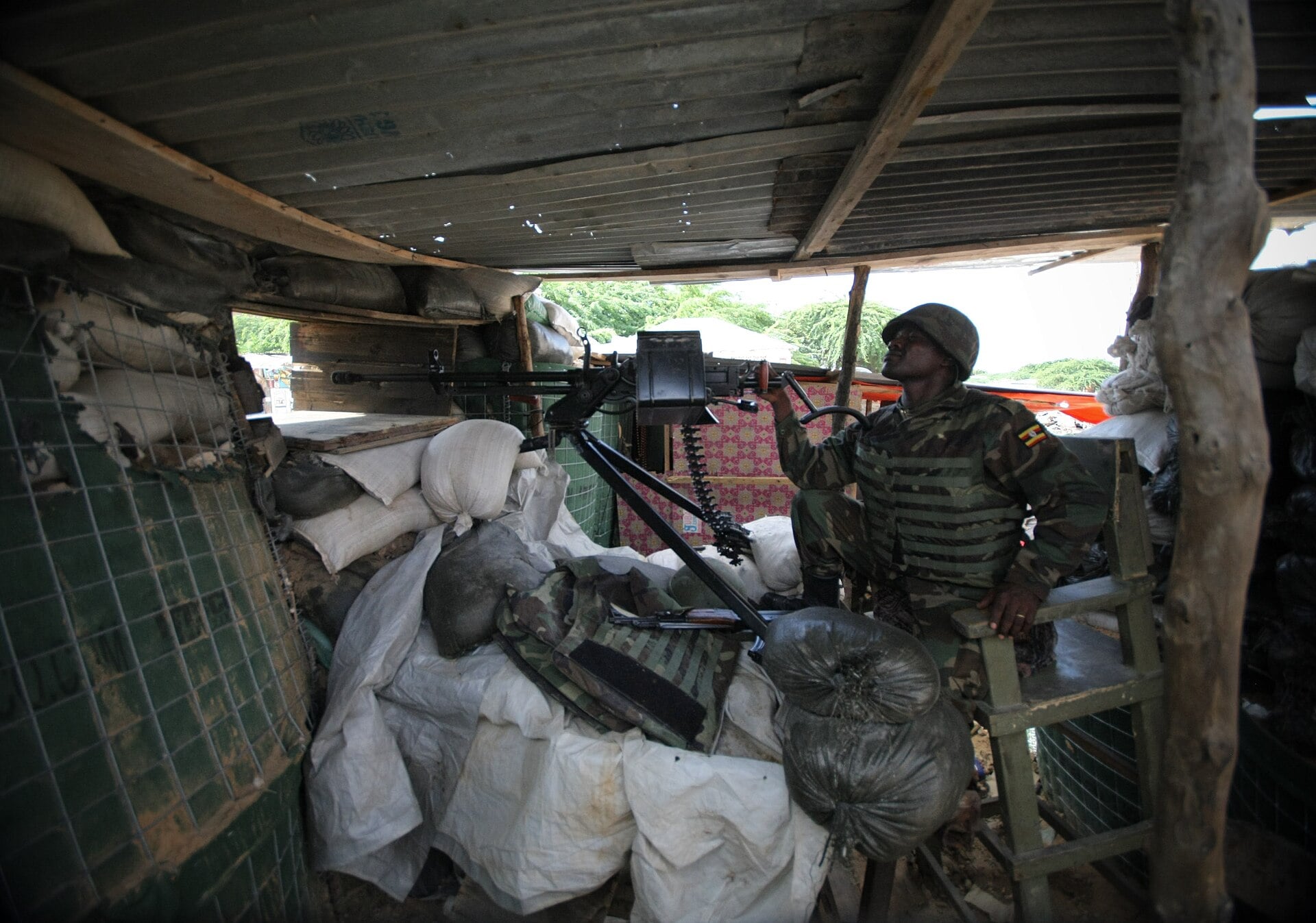
The Uganda Invictus Games withdrawal lasted eleven days. It began with a misunderstanding about what a British king thinks and ended with a telephone call putting it right.
The Sequence
The Uganda Invictus Games entry was announced on 7 July at a foundation event in London, with Prince Harry present. It became the 26th country in the Games and the first from East Africa.
On Thursday 3 September, General Muhoozi Kainerugaba announced the withdrawal on social media. He is chief of Uganda’s defence forces and President Yoweri Museveni’s son.
His stated reason was deference. In order not to be construed as being opposed to King Charles, he wrote, Uganda was withdrawing.
He added that Uganda would not participate in anything that did not have the King’s approval. The wording made clear he believed approval was absent.
On Monday 14 September, Sir Clive Alderton telephoned him. Alderton is principal private secretary to the King and Queen.
The message was that the King was moved by the consideration shown and had no problem with Uganda taking part. Uganda reinstated itself the same day.
Where the Misunderstanding Came From
Kainerugaba had been given to understand that the Invictus Games are a private charity rather than an official Royal Family initiative. On that reading, taking part could be seen as siding with Prince Harry against the palace.
Prince Harry’s office publicly attributed the withdrawal to a letter from the palace. That makes this as much a dispute inside the British royal family as a Ugandan decision.
The foundation is indeed a charity rather than a crown institution. Whether that means the King disapproves is a different question, and the answer came by telephone.
Uganda’s military spokesman confirmed the reversal. The King, he said, was moved by the general’s sensitive consideration of the King’s opinion.
What the Games Are
The Invictus Games are an international multi-sport event for wounded, injured and sick serving personnel and veterans. Prince Harry founded them in 2014 and the first edition was held in London that September.
Twenty-five nations took part before Uganda joined. Nigeria was the only African participant, debuting at the 2023 Games in Dusseldorf.
The Uganda Invictus Games link was formalised in October 2025, when the defence forces signed a partnership with the foundation. The 2027 Games are in Birmingham, less than 300 days away.
Exact dates for the Birmingham edition have not been confirmed in the reporting on Uganda’s reversal. That detail remains outstanding.
The Relationship Underneath It
The episode is small but it sits on a strained relationship. Britain sanctioned three Ugandan officials in April 2024 under its anti-corruption rules.
Those were Anita Among, the speaker of parliament, and two former ministers of state for Karamoja affairs. The measures were travel bans and asset freezes.
The stated grounds were the theft of iron sheets from a government housing programme meant for Karamoja communities. Ugandan officials have argued the real motive lay elsewhere, in British objections to Uganda’s anti-homosexuality law.
Kainerugaba himself is not under British sanctions. He is, though, a prolific and unpredictable user of social media, which is where the withdrawal was announced.
Why a Small Story Is Worth Reading
A country joined a charitable sports event, left it over a perceived royal slight, and returned after a phone call. Nothing material changed in between.
What the Uganda Invictus Games episode shows is how thin the channel is between a British palace and an East African general. One letter created the problem and one call solved it.
For the wounded Ugandan soldiers who would compete, the eleven days were the whole story. They are back in training.
More: Africa coverage, every day from The Rio Times.
Frequently Asked Questions
Why did Uganda withdraw from the Invictus Games?
General Muhoozi Kainerugaba, chief of Uganda’s defence forces, announced the withdrawal on 3 September 2026 after being given to understand that the Games were a private charity without King Charles III’s endorsement. He said Uganda would not take part in anything that lacked the King’s approval.
What made Uganda rejoin?
On 14 September 2026, Sir Clive Alderton, principal private secretary to the King and Queen, telephoned Kainerugaba to say the King was moved by the consideration shown and had no problem with Uganda’s participation. Uganda reinstated itself the same day.
What are the Invictus Games?
An international multi-sport event for wounded, injured and sick serving military personnel and veterans, founded by Prince Harry in 2014 with a first edition in London that September. They are run by the Invictus Games Foundation, a charity rather than a crown institution.
Is Uganda the first African country to take part?
No, the second. Nigeria debuted at the 2023 Games in Dusseldorf. Uganda is the first East African country and the 26th nation overall, and would compete at the 2027 Games in Birmingham.
Sources: allAfrica on Uganda rejoining the Games, Reporting on the original withdrawal, IBTimes UK on the letter that preceded the withdrawal, Pulse Uganda on Uganda joining in July, ICTJ on British sanctions against Ugandan officials
This article was produced by The Rio Times’ automated newsroom system. How we use AI · Report an error
Read More from The Rio Times