Uganda Joins Risky Gaza Military Mission as It Eyes UN Top Seat
Uganda · GEOPOLITICS
Key Facts
—Parliamentary approval: Uganda’s Parliament approved the deployment of Uganda People’s Defence Forces troops to Gaza on Thursday, 6 August 2026, under Section 38 of the UPDF Act.
—Mission framework: The troops would serve under a UN-authorised International Stabilisation Force — which some reports estimate at around 20,000 personnel — led by American Major General Jasper Jeffers and linked to President Donald Trump’s Board of Peace initiative.
—UN candidate: Uganda formally nominated veteran diplomat Olara Otunnu as its candidate for United Nations Secretary-General on 24 July 2026; during the deployment debate at least one lawmaker raised the candidacy in connection with the Gaza vote.
—Troop numbers: The size and timetable of Uganda’s contingent have not been finalised, though media commentary references an indicative figure of up to 2,000 Ugandan troops.
—Legal anchor: The mission is grounded in UN Security Council Resolution 2803, adopted on 17 November 2025, which created a framework for stabilisation and redevelopment of Gaza.
—Founding contributors: Reports have named Albania, Indonesia, Kazakhstan, Kosovo and Morocco among early troop contributors; Uganda would be the first sub-Saharan African state to join.
Uganda’s parliament has approved sending troops to Gaza under a United States-led International Stabilisation Force, a high-risk Uganda Gaza mission that unfolds as Kampala presses its bid for the United Nations Secretary-General post.
What Uganda’s parliament approved
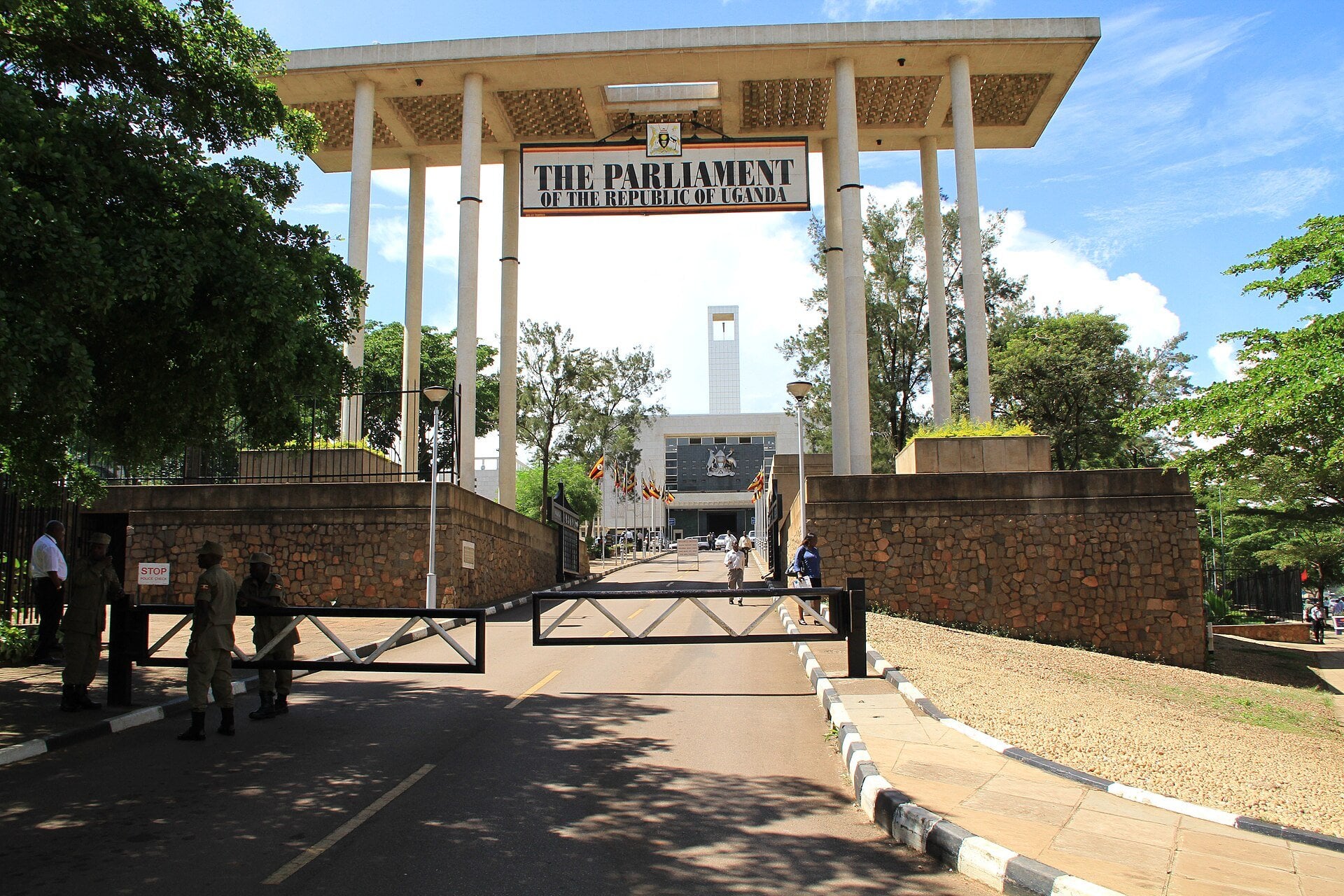
Uganda’s Parliament voted on Thursday, 6 August 2026, to authorise President Yoweri Museveni to deploy Uganda People’s Defence Forces (UPDF) troops to the Gaza Strip. Defence and Veteran Affairs Minister Kiryowa Kiwanuka presented the motion under Section 38 of the UPDF Act.
The vote followed what Ugandan officials described as a request from United States President Donald J. Trump for Uganda to join the Gaza force; the exact channel and timing of that request have not been publicly documented. The motion does not specify an exact deployment date or final troop numbers.
Minister Kiwanuka told Parliament the UPDF contingent would remain neutral, comply with international humanitarian law, and protect civilians without taking sides in political disputes. He said troops would operate solely under the mandate of the Stabilisation Mission with clear rules of engagement.
The International Stabilisation Force and Trump’s Board of Peace
The Uganda Gaza mission would place UPDF soldiers inside a UN-authorised International Stabilisation Force (ISF) that some reports estimate at around 20,000 troops. American Major General Jasper Jeffers has been named to lead the force, which is framed as neutral and operating outside Israeli command structures.
The ISF is linked to Trump’s Board of Peace initiative, which underpins a ceasefire and phased Israeli withdrawal from Gaza after the Israel-Hamas war. Its mandate includes monitoring ceasefire compliance, securing humanitarian corridors, protecting civilian infrastructure, and supervising disarmament of Hamas and other militant groups.
The mission is anchored in United Nations Security Council Resolution 2803, adopted on 17 November 2025. That resolution created an international framework to support stabilisation and redevelopment of Gaza after the war, though the detailed mandate and legal status of the force remain under negotiation.
Reports have named Albania, Indonesia, Kazakhstan, Kosovo and Morocco among early troop contributors, though the UN’s core resolution texts do not fix an official founding roster. Uganda would be the first sub-Saharan African state to join.
Why Kampala is betting on the UN Secretary-General seat
Uganda formally nominated veteran diplomat Olara Otunnu as its candidate for United Nations Secretary-General on 24 July 2026, a bid personally backed by President Museveni. During the parliamentary debate, at least one lawmaker raised that candidacy in connection with the Gaza deployment.
One lawmaker noted during the debate that Uganda had “submitted the name of a Ugandan” to become Secretary-General of the United Nations, cautioning that a badly handled deployment could backfire on that bid. Others argue the reverse: that taking on a high-profile international security responsibility could signal that Uganda is a serious, reliable security provider and a credible sponsor of a UNSG candidate.
Close alignment with the US and other ISF backers may help secure backing in Security Council and General Assembly negotiations over the Secretary-General role. Major powers typically play decisive roles behind the scenes in those processes.
A track record of military diplomacy
Uganda has extensive experience in external operations, including the African Union mission in Somalia against Al-Shabaab, interventions in South Sudan, and operations against the Lord’s Resistance Army in the Central African Republic. These deployments have earned Kampala a reputation as a dependable regional security subcontractor for Western powers and multilateral organisations.
That reputation has often translated into military aid, training and political support. Museveni’s government has historically leveraged such deployments to secure military hardware, capability upgrades, and diplomatic backing on contentious issues including human rights criticism and regional interventions.
The pattern fits a broader trend in which certain African states supply disciplined troops for complex theatres in exchange for financial packages, diplomatic backing and regime security guarantees. This dynamic is a core thread in Africa: The New Scramble.
The risks of the Uganda Gaza mission
The ISF is expected to operate in post-war Gaza, a territory devastated by conflict with fragmented armed factions and a population traumatised by siege and bombardment. Ugandan troops could become targets for Hamas and other armed groups, especially if the ISF is perceived as enforcing a settlement that lacks Palestinian political legitimacy.
Operating in dense urban terrain amid contested authority increases the risk of asymmetric attacks, hostage-taking and entanglement in renewed fighting. Kampala must convince Palestinians and the broader Muslim world that its troops are neutral peacekeepers, not an extension of Washington’s policy or Israeli security apparatus.
Some Ugandan lawmakers complained they had been blindsided and lacked sufficient time to scrutinise the motion. Domestic opposition may grow if the public perceives that soldiers are being risked in a distant conflict to serve elite diplomatic ambitions.
A status-of-forces agreement is to be negotiated post-approval, covering jurisdiction, rules of engagement and operating bases. Public reporting notes no finalised troop numbers, no signed mission framework, and uncertainty about exact deployment timing.
What to watch next
The size, unit composition, command structure and deployment timetable of Uganda’s contingent have not been finalised or publicly announced. Media commentary references an indicative figure of up to 2,000 Ugandan troops as a possible contribution to the 20,000-strong force, but this is not yet an official Ugandan number.
Reports mention a base capable of housing up to 500 troops being established on the Israeli side of the border for ISF contingents. That implies construction and service contracts, as well as cross-border logistics and supply chains linking Ugandan, regional and international companies.
For investors, Uganda’s deeper entanglement in high-risk security operations may increase security risk to nationals and assets if extremist groups seek retaliation. It can also create reputational questions for ESG-conscious capital given the sensitivity of the Gaza conflict.
The critical test will be whether Ugandan troops can maintain perceived neutrality in a US-designed, US-led mission. If the deployment goes badly, Uganda’s UN Secretary-General bid could be damaged rather than enhanced.
Frequently Asked Questions
When did Uganda approve sending troops to Gaza?
Uganda’s Parliament approved the deployment of Uganda People’s Defence Forces troops to Gaza on Thursday, 6 August 2026, under Section 38 of the UPDF Act.
Who is Uganda’s candidate for UN Secretary-General?
Uganda has nominated veteran diplomat Olara Otunnu as its candidate for United Nations Secretary-General.
How many troops will Uganda send to Gaza?
The size of Uganda’s contingent has not been finalised, though media commentary references an indicative figure of up to 2,000 Ugandan troops as part of a 20,000-strong International Stabilisation Force.
Connected Coverage
For more on how African states are trading military manpower for global influence, read Africa: The New Scramble.
Sources
This article was produced by The Rio Times’ automated newsroom system. How we use AI · Report an error · Editorial responsibility: Matthias Camenzind, Editor-in-Chief
LatAm Markets: Live Signals → — real-time movers, turnover leaders and FX across Latin America.
Read More from The Rio Times