Trinidad People Culture and Ethnic Diversity Guide

TRINIDAD AND TOBAGO · PEOPLE AND CULTURE
Key Facts
- —The country Two islands, about 1.37 million people in mid-2025, CSO estimates.
- —Largest groups East Indian 35.4%, African 34.2%, mixed 22.8% in the 2011 census.
- —Tobago About 85% of Tobago residents identified as African in 2011.
- —Next census Planned for 2027, with a national pilot in 2026.
- —For US visitors State Department Level 3, Reconsider Travel, updated 13 April 2026.
No single group forms a majority in Trinidad and Tobago, and that balance shapes its holidays, festivals, food and politics.
Trinidad people trace their roots mainly to Africa and India, and the 2011 census found the two groups nearly equal. Add a large mixed population and smaller Chinese, Syrian-Lebanese, Portuguese and Indigenous communities, and no group forms a majority.
For US visitors, English is the everyday language, but the State Department advises travellers to reconsider travel because of crime.
Who Trinidad People Are, by the Census Numbers
The Central Statistical Office (CSO), the government statistics agency, held the last full census on 9 January 2011. It counted 1,328,019 usual residents, 5.2% more than in 2000.
The detailed ethnic tables cover the 1,322,546 people living in private households. Those are the figures used throughout this guide.
The CSO’s latest mid-year estimate puts the population at 1,367,764 on 30 June 2025. That is roughly as many people as live in New Hampshire.
No census has been held since 2011, so every ethnic share quoted today is 15 years old. The CSO is preparing a new census for 2027, with a national pilot in 2026, state broadcaster TTT reported in July 2026.
This is how the 2011 census divided the household population by ethnic group:
- East Indian: 468,524 people, or 35.4%
- African: 452,536 people, or 34.2%
- Mixed, other: 200,503 people, or 15.1%
- Mixed, African and East Indian: 101,363 people, or 7.7%
- Caucasian (white): 7,832 people, or 0.6%
- Chinese: 4,003 people, or 0.3%
- Indigenous: 1,394 people, or 0.1%
- Syrian or Lebanese: 1,029 people, under 0.1%
- Portuguese: 837 people, under 0.1%
- Other groups: 2,280 people; not stated: 82,246, or 6.2%
The trend matters as much as the snapshot. In 2000, East Indians made up 40.0% and Africans 37.5%, so the gap narrowed from 2.5 to 1.2 points.
Over the same 11 years the mixed share rose from 20.5% to 22.8%. Foreign-born residents numbered 48,783 in 2011, about 3.7% of the household population.
African, Indian and Mixed, the Three Largest Groups
Afro-Trinidadians descend mostly from enslaved Africans brought to work the sugar and cocoa estates of the colonial era. Britain abolished slavery in 1834, but freed people were bound as apprentices until full freedom in 1838.
The country marks that history every 1 August. A presidential order of April 2024 renamed the holiday from Emancipation Day to African Emancipation Day.
Indo-Trinidadians descend mainly from indentured labourers recruited in India after slavery ended. The first ship, the Fatel Razack, arrived on 30 May 1845, a date now kept as Indian Arrival Day.
The two groups are not spread evenly. On Trinidad itself, East Indians made up 37.0% and Africans 31.8% of household residents in 2011.
In the City of Port of Spain, the capital, 51.6% identified as African and 9.6% as East Indian. In the Borough of Chaguanas, in central Trinidad, the picture reversed: 53.5% East Indian and 25.3% African.
The mixed categories are the fastest-growing part of the picture. People of mixed African and Indian descent are often called dougla in local speech.
The census does not break the “mixed, other” category down further. Partial Chinese, European, Indigenous or Venezuelan ancestry therefore goes unmeasured.

Chinese, Syrian-Lebanese, Portuguese and Indigenous Communities
The smaller communities are tiny in census terms but long established. The 2011 count found 4,003 Chinese, 1,029 Syrian or Lebanese and 837 Portuguese residents.
Most live on Trinidad rather than Tobago. Of the Syrian and Lebanese residents, 1,013 lived on Trinidad and 151 in the City of Port of Spain alone.
The CSO defines Indigenous people as those of Amerindian descent, “commonly known as Caribs and Arawaks.” The census counted 1,394 of them, 1,328 on Trinidad.
The Borough of Arima, east of the capital, counted 98 Indigenous residents. Many more Trinidadians claim some Indigenous ancestry, but the census has no way to show it.
The newest arrivals are Venezuelans fleeing the crisis next door. The 2027 census plans targeted measures so that migrant communities, including Venezuelans, are not undercounted, according to TTT.
Religion and the Public Holiday Calendar
Religion follows the ethnic mix closely, and no faith comes near a majority. The 2011 census recorded these shares of the household population:
- Roman Catholic: 285,671 people, or 21.6%
- Hindu: 240,100 people, or 18.2%
- Pentecostal, Evangelical or Full Gospel: 159,033 people, or 12.0%
- Baptist, mostly Spiritual Shouter Baptist: 90,953 people, or 6.9%
- Anglican: 74,994 people, or 5.7%
- Muslim: 65,705 people, or 5.0%
- Seventh-day Adventist: 54,156 people, or 4.1%
- No religion: 28,842, or 2.2%; not stated: 146,798, or 11.1%
Pentecostal and evangelical churches more than doubled their membership between 2000 and 2011, the CSO found. Roman Catholic and Hindu numbers fell slightly.
The Spiritual Baptist faith blends Protestant Christianity with West African rituals and is considered native to the country. Colonial law banned it from 1917 until the ban was repealed on 30 March 1951.
The Orisha faith, rooted in Yoruba traditions from West Africa, counted 11,918 followers in the 2011 census tables. That is just under 1% of residents.
The Public Holidays and Festivals Act turns this diversity into law. Its schedule lists Spiritual Baptist Liberation Day on 30 March, Indian Arrival Day on 30 May and Corpus Christi.
It also lists Labour Day on 19 June and African Emancipation Day on 1 August. Eid-ul-Fitr and Divali follow religious calendars, so their dates are appointed each year.
When a public holiday falls on a Sunday, the law moves it to the next working day. That rule regularly produces long weekends visitors can plan around.
Carnival, Divali and Hosay
Carnival is the country’s best-known export. Tourism Trinidad, the state tourism agency, lists Carnival Monday and Tuesday for 8 and 9 February 2027.
The two days begin with J’ouvert, a pre-dawn street party where revellers cover themselves in paint, mud and powder. Costumed bands then parade to soca, calypso and steelpan music.
The National Carnival Commission, the state body that runs the official shows, says its mission is to preserve Carnival’s heritage. Read the Rio Times guide to Carnival 2027 dates and band launches for the season ahead.
Carnival Monday and Tuesday are not on the legal list of public holidays. The Act instead treats Carnival as a festival the state regulates by order.
Divali, the Hindu festival of lights, falls on the new-moon night of the Hindu month of Kartik, in October or November. Families light deyas, small clay lamps filled with oil or ghee.
The Divali Nagar site in Chaguanas hosts a large annual cultural fair run by the National Council of Indian Culture. Villages such as Felicity light whole streets with deyas and bamboo arches.
The holiday date is set by the President each year. In 2025, a legal notice of September 2025 appointed Monday, 20 October 2025 as the Divali holiday.
Hosay is Trinidad’s version of the Muslim mourning period of Muharram. It commemorates the martyrdom of Imam Hussein, grandson of the Prophet Muhammad.
Its centrepieces are tadjahs, ornate model mausoleums paraded through St James, a suburb of Port of Spain, and Cedros in the south-west. Tourism Trinidad dates the earliest observances to 1847 in San Fernando.
Because Muharram follows the Islamic lunar calendar, Hosay moves about 11 days earlier each year. Tourism Trinidad listed it for June in 2026.
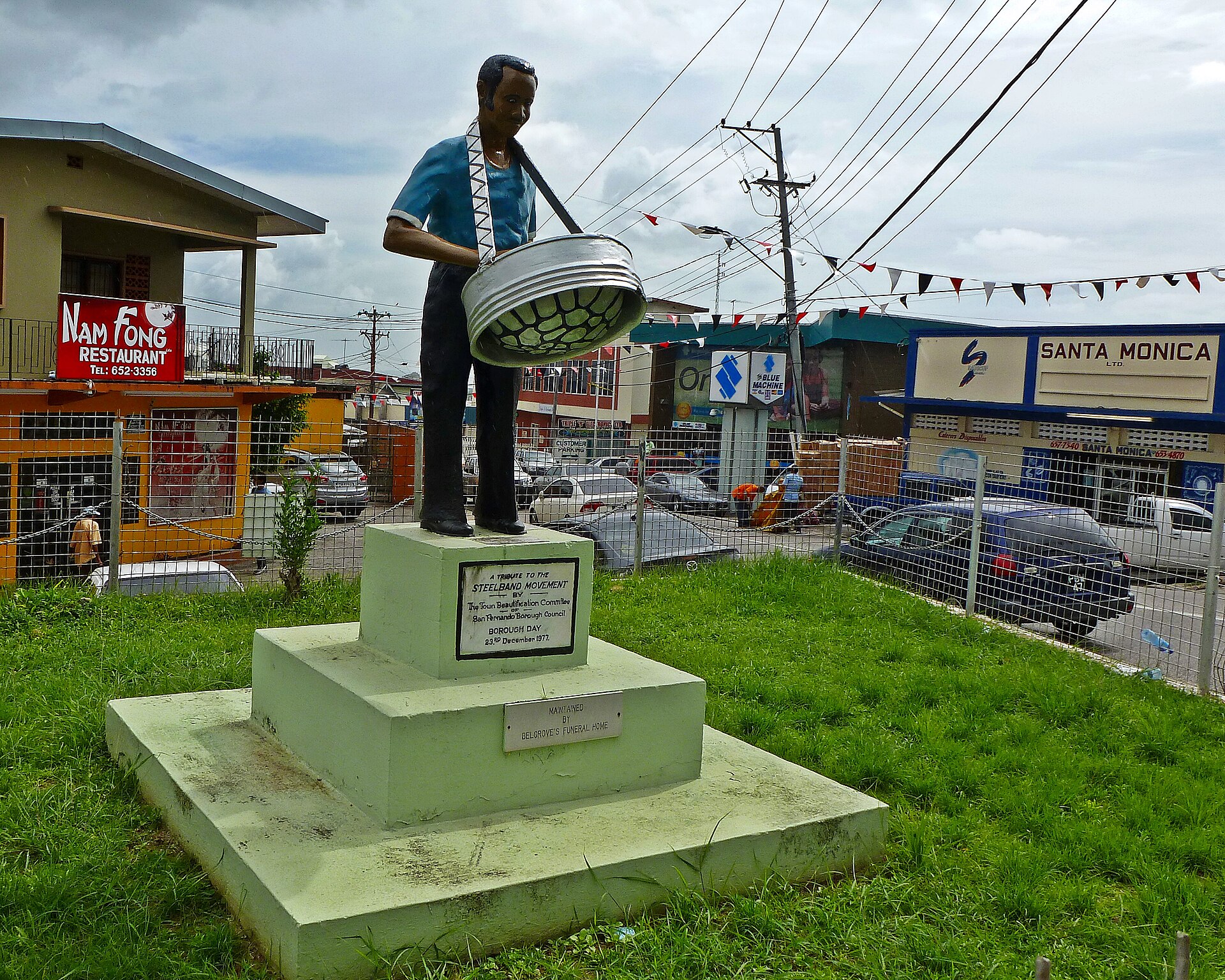
How Tobago Differs From Trinidad
Tobago, the smaller island to the north-east, counted 60,874 residents in 2011. That is under 5% of the national total.
Its population looks very different. The CSO found 85.2% of Tobagonians identified as African, 8.5% as mixed and only about 2.5% as East Indian.
Tobago has its own elected body, the Tobago House of Assembly, which runs many island services. For politics, gas and the relationship between the two islands, see Trinidad and Tobago Explained.
Tobago culture leans on West African and French Creole folklore. Its flagship cultural event, the Tobago Heritage Festival, showcases those folktales and traditions every year, according to the island’s tourism agency.
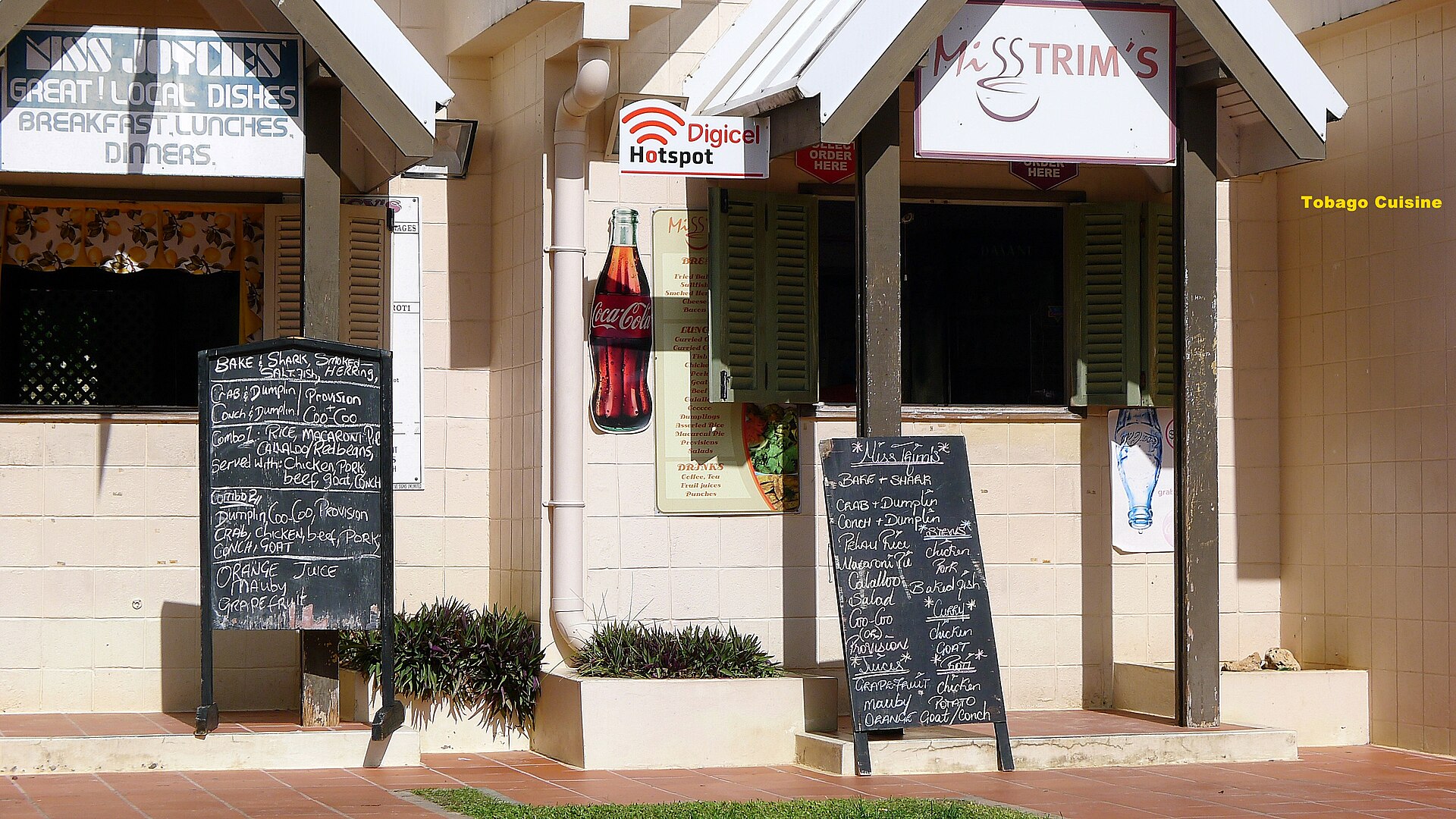
Easter brings goat races to the island. The signature dish is curried crab and dumplings, served at roadside cook shops.
Hindu and Muslim festivals are far less visible on Tobago than on Trinidad. Visitors who want Divali or Hosay should base themselves on the larger island.
What It Means for US Readers
The US State Department rates Trinidad and Tobago Level 3, “Reconsider Travel,” because of crime and a heightened risk of terrorism. The advisory was last updated on 13 April 2026.
It bars US government staff from parts of Port of Spain at any time, including Laventille, Beetham, Sea Lots and Cocorite. Downtown Port of Spain and the Queen’s Park Savannah are off-limits to them at night.
The advisory also notes a nationwide state of emergency declared on 2 March 2026 over violent crime. Check whether it is still in force before travelling.
Guns are part of the problem, and many come from the United States. Read how Trinidad and Tobago traced 73% of crime guns to the US.
US citizens need no visa for stays of up to 90 days. Passports must be valid for six months beyond arrival, the State Department says.
Two local rules surprise Americans. Wearing camouflage in public is banned, and same-sex relations remain illegal, though the embassy has not seen enforcement.
The US Embassy is at 15 Queen’s Park West, Port of Spain, telephone +1-868-235-4500. The Central Bank of Trinidad and Tobago sold US dollars at TTD 6.80 each on 8 October 2026.
At that rate, a TTD 100 note is worth about US$14.70 and TTD 20 about US$2.90. Conversions in this guide use that Central Bank selling rate.
Respect goes a long way in a mixed society. Avoid guessing someone’s background, and ask before photographing people at temples, mosques or Hosay processions.
For longer stays, see Moving to Trinidad and Tobago, Step by Step and the expat healthcare guide. More coverage sits on the Rio Times Caribbean page.
What Is Not Known
Today’s ethnic shares are unknown, because the newest census figures date from January 2011. Results from the planned 2027 census will not be available for some time after the count.
No official figure exists for how many Venezuelans now live in the country. The 2027 census is meant to count them more fully.
The gazetted date of the 2026 Divali holiday could not be confirmed from the Government Printer’s records. Prices for 2027 Carnival shows and costumes were not confirmed either.
It is also not confirmed whether the state of emergency declared in March 2026 remains in force. No official data link voting to ethnicity, though elections are often discussed in those terms.
Frequently Asked Questions
What are people from Trinidad and Tobago called?
People from Trinidad are Trinidadians, often shortened to Trinis, and people from Tobago are Tobagonians. Trinbagonian is a common umbrella term for both.
What is the largest ethnic group in Trinidad and Tobago?
In the 2011 census, East Indians were the largest group at 35.4%, just ahead of Africans at 34.2%. Mixed groups made up 22.8%.
Is Tobago different from Trinidad?
Yes. About 85% of Tobago residents identified as African in 2011, while Trinidad has a slight East Indian plurality.
What religion are most Trinidad people?
No religion has a majority. In 2011, 21.6% were Roman Catholic, 18.2% Hindu, 12.0% Pentecostal or evangelical and 5.0% Muslim.
When is Trinidad Carnival in 2027?
Carnival Monday and Tuesday fall on 8 and 9 February 2027, according to Tourism Trinidad. Pre-Carnival events start weeks earlier, from January.
Is it safe for Americans to visit Trinidad and Tobago?
The State Department rates the country Level 3, Reconsider Travel, because of crime and terrorism risk. Visitors should read the advisory and avoid the areas it lists.
Sources: Central Statistical Office, 2011 Population and Housing Census Demographic Report; CSO, Population Statistics and Mid-Year Estimates 2025; CSO, 2011 census tables (individuals); Public Holidays and Festivals Act, Chap. 19:05; Legal Notice No. 68 of 2024; Legal Notice No. 340 of 2025; Central Bank of Trinidad and Tobago; US State Department travel advisory; US State Department country information; Tourism Trinidad; Tobago Tourism Agency; TTT (all accessed 9 October 2026).
This article was produced by The Rio Times’ automated newsroom system. How we use AI · Report an error · Editorial responsibility: Matthias Camenzind, Editor-in-Chief