South Africa Seeks US$2.2 Billion to Modernize Transnet Rail and Ports, Revive Exports
South Africa · INFRASTRUCTURE
Key Facts
—Funding request: Transnet aims to secure about R35 billion (US$2.2 billion) from the National Treasury’s Budget Facility for Infrastructure for projects through 2030.
—Prior support: The new request adds to R16.8 billion already approved and in execution across coal, iron ore and port networks, with a further R23.6 billion in applications being prepared.
—Private operators: Transnet has signed rail access agreements with 11 private operators, targeting about 24 million metric tons of additional annual freight capacity within 18 months.
—Government guarantees: In July 2025, government approved R94.8 billion in new guarantees, adding to a R51 billion facility approved in May 2025.
—Multilateral backing: The World Bank approved a US$1.5 billion Development Policy Loan in July 2026, while the African Development Bank approved US$1 billion in July 2024.
—Volume target: Transnet aims to raise rail freight volumes to 250 million metric tons per year by 2030, from about 152 million tons in 2023/24.
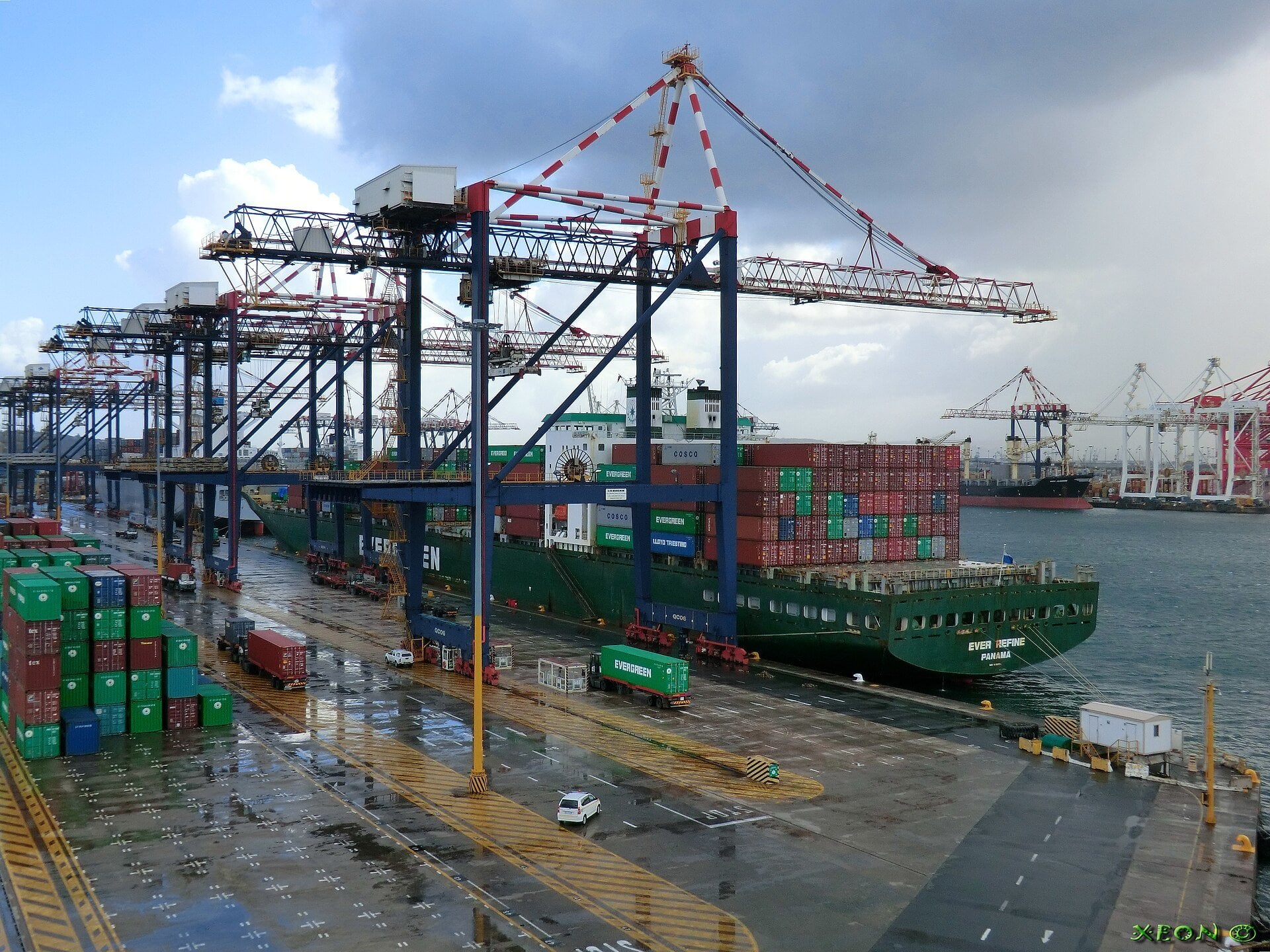
South Africa’s Transnet modernization plan will inject about R35 billion (US$2.2 billion) into Transnet SOC Ltd to upgrade freight rail and ports, aiming to revive coal and iron ore exports that have been constrained by years of operational decline.
The R35 billion Transnet modernization request
Transport Minister Barbara Creecy said in mid-August 2026 that Transnet aims to secure about R35 billion (US$2.2 billion) from the National Treasury’s Budget Facility for Infrastructure. The money would finance projects through 2030, focusing on modernising rail lines, purchasing rolling stock and upgrading the Durban Container Terminal.
Creecy said R16.8 billion in public investment has already been approved and is in execution across the coal and iron ore lines and port infrastructure, with applications for a further R23.6 billion being developed. That earlier support targets rehabilitating coal and iron ore rail corridors and improving Durban’s container capacity.
The modernization drive is explicitly linked to opening the network to private freight operators. Transnet has signed rail access agreements with 11 private operators, with the aim of adding about 24 million metric tons of annual freight capacity within 18 months.
Transnet’s financial position and state backing
Transnet’s annual financial statements for the year to 31 March 2025 show total borrowings of R144.8 billion, up from R137.7 billion in 2024. The company raised R27.9 billion in the 2025 reporting period via bonds, commercial paper, development funding and bilateral loans.
To stabilise the balance sheet, the National Treasury has extended large sovereign guarantee facilities. In May 2025, a R51 billion guarantee was approved, with R41 billion earmarked for capital expenditure and loan redemptions and R10 billion for liquidity support.
On 25 July 2025, government approved an additional R94.8 billion in guarantees covering debt redemptions over five years and credit downgrade impacts. Transnet’s net loss for the year to March 2025 narrowed 74% to R1.9 billion, from R7.3 billion the previous year.
Recovery plan and capital investment through 2029
The R35 billion request sits inside a larger Recovery Plan launched in October 2023 and a five-year Capital Investment Plan running from 2024 to 2029. According to African Development Bank documentation, the capital plan allocates 81.4% of investment to maintenance and operational enhancements, with 18.6% for network expansion.
Transnet Freight Rail, facing the worst operational challenges, is due to receive the bulk of funding. African Development Bank documentation puts Transnet’s five-year capital investment plan at about R152.8 billion, focused on rail renewal and port equipment.
Transnet’s recovery targets include raising rail freight volumes to 250 million metric tons per year by 2030, from about 152 million tons in 2023/24. The entire first-year budget of the capital plan was dedicated to financing the Recovery Plan.
BRICS, World Bank and AfDB money in the Transnet modernization
Transnet’s turnaround is increasingly financed by a coalition of multilateral lenders. In August-September 2024, Transnet secured a R5 billion loan from the New Development Bank, the multilateral bank founded by the BRICS states, to finance freight rail modernisation including locomotive overhauls and wagon fleet renewal.
The African Development Bank approved a US$1 billion sovereign-guaranteed corporate loan in July 2024 with a 25-year tenor and five-year grace period. In July 2026, the World Bank approved a US$1.5 billion Development Policy Loan to support infrastructure modernization, with freight transport reform as one of three pillars.
The World Bank loan aims to help transform freight transport from a public monopoly to a more competitive market. Key reforms include establishing an independent transport economic regulator and unbundling Transnet to allow independent train operators to enter the market.
This financing mix places Transnet at the centre of a broader geopolitical story covered in Africa: The New Scramble, where BRICS institutions and Western-aligned lenders converge on strategic infrastructure.
Why the Transnet modernization matters for exports
Transnet’s underperformance has become a systemic drag on South Africa’s economy. Over the past five years, freight rail volumes have sharply declined, undermining the export of coal, iron ore and other bulk commodities.
Aging port infrastructure and equipment failures have produced chronic delays in Durban and Cape Town, raising logistics costs and damaging South Africa’s reputation among global shippers and miners. Coal and iron ore corridors serviced by Transnet are critical for mining exports to Europe and Asia, foreign exchange earnings and fiscal revenues.
Mining and industry commentators have repeatedly described the national economy’s recovery as contingent on a credible Transnet turnaround. Failing logistics threaten gross domestic product growth and employment across the value chain.
Opening the monopoly and what to watch next
A crucial dimension of the modernization is the opening of Transnet’s historically monopolistic system. The turnaround plan includes splitting Transnet Freight Rail into an infrastructure management company and a separate operating unit.
The World Bank-backed reform agenda emphasises creating an independent transport economic regulator to ensure fair and open access to rail infrastructure. This structural separation mirrors global models and is consistent with the policy preferences of lenders including the World Bank and African Development Bank.
Cumulative guarantees now exceed R140 billion, tying Transnet’s success or failure directly to the sovereign balance sheet. If the turnaround fails, South African taxpayers and the sovereign credit rating will bear the impact.
The next milestone to watch is whether the National Treasury formally approves the R35 billion request and how quickly private operators begin moving freight on the network. Transnet’s target of 250 million metric tons by 2030 will be the clearest measure of whether the modernization delivers.
How much is South Africa seeking to modernize Transnet?
South Africa is seeking about R35 billion (US$2.2 billion) from the National Treasury’s Budget Facility for Infrastructure for Transnet projects through 2030.
Which multilateral lenders are financing Transnet’s recovery?
The New Development Bank provided a R5 billion loan in 2024, the African Development Bank approved US$1 billion in July 2024, and the World Bank approved a US$1.5 billion Development Policy Loan in July 2026.
What is Transnet’s freight volume target for 2030?
Transnet aims to raise rail freight volumes to 250 million metric tons per year by 2030, up from about 152 million tons in 2023/24.
Connected Coverage
The Transnet modernization sits within the broader competition for African infrastructure finance explored in Africa: The New Scramble.
Sources
This article was produced by The Rio Times’ automated newsroom system. How we use AI · Report an error · Editorial responsibility: Matthias Camenzind, Editor-in-Chief
LatAm Markets: Live Signals → — real-time movers, turnover leaders and FX across Latin America.