Togo Sets Cocoa Price at US$3.84 a Kilo as Exports Fall
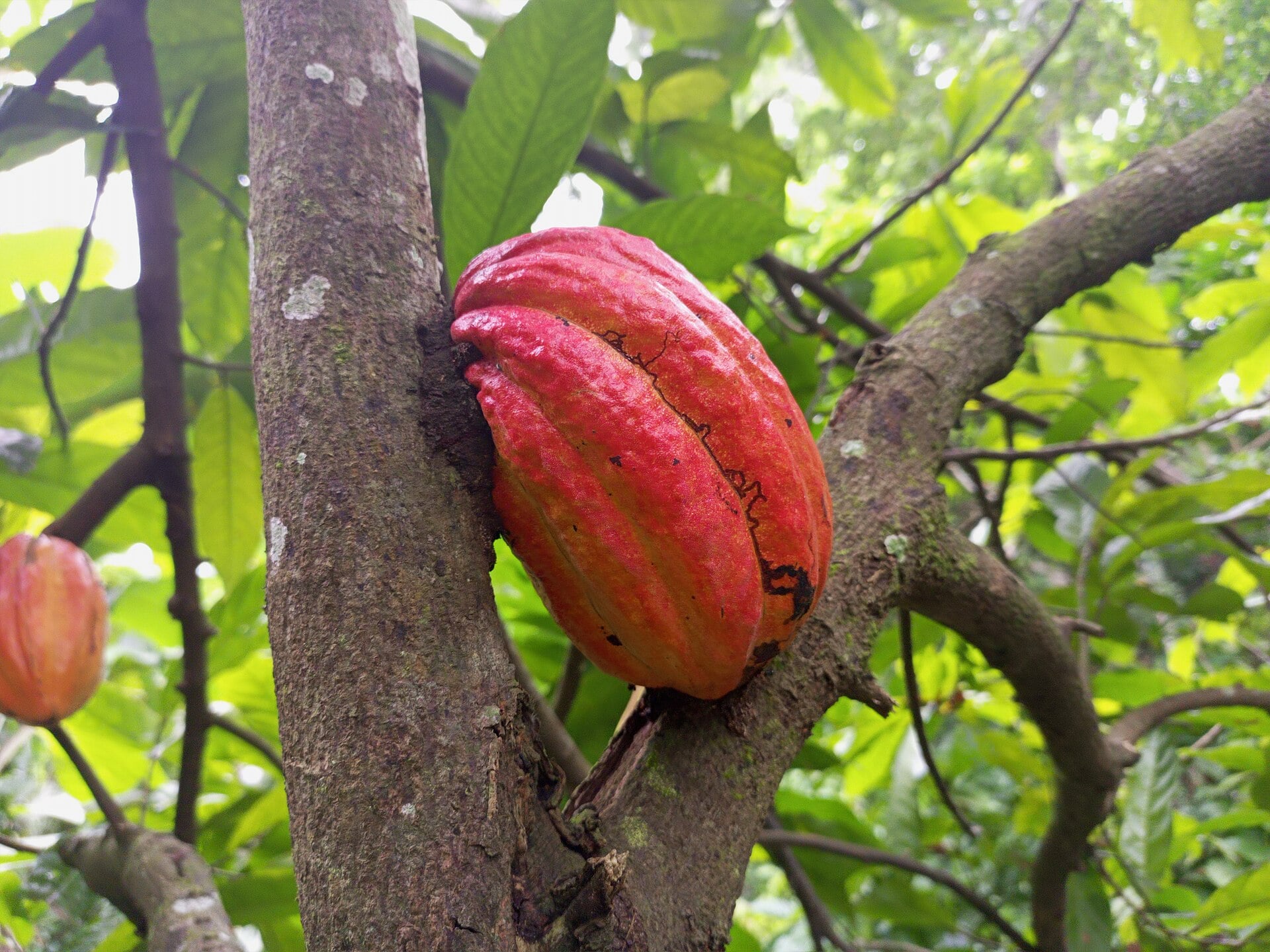
Farmgate cocoa sits far below its peak, and Lomé is betting on local processing to protect farmers.
Togo, a small West African grower of cocoa and coffee, opened its 2026-2027 marketing season on Thursday 1 October. The Togo cocoa price paid to farmers is now CFAF 2,240 a kilogram (about US$3.84).
Coffee growers will receive CFAF 1,300 a kilogram (about US$2.23), Togo First, a Lomé business site, and Food Business Africa reported. The CFA franc is the euro-pegged currency Togo shares with seven West African neighbours.
US dollar figures here use about CFAF 583 per US dollar, the market rate at the close on Friday 2 October. They are approximate.
Key Facts
- The country. Togo is a narrow West African state of about 8.6 million people, between Ghana and Benin. Its economy, about US$11.9 billion in 2025 (World Bank), is roughly a quarter of Vermont’s.
- Why it matters. Coffee and cocoa support about 32,000 growers and nearly 1.2% of output. Togo is a small producer beside its giant neighbours, Côte d’Ivoire and Ghana.
- Why now. World cocoa prices fell sharply in 2025 and 2026 after a record rally. Togo’s new marketing season opened on Thursday 1 October with fresh farm prices.
- What happened. Togo set farmgate prices of CFAF 2,240 a kilo for cocoa (about US$3.84) and CFAF 1,300 for coffee (about US$2.23), Togo First reported on 29 September.
- The numbers. Cocoa exports fell to 8,900 tons from 24,000 tons in 2025-2026, even as the cocoa harvest rose 7% to 23,084 tons.
- What it means for you. Chocolate makers and roasters face a small origin selling far less abroad. Investors will find the government pushing local processing; visitors will notice no change.
- Still open. How much of the new crop will be exported, and whether the cocoa price holds if world prices move again.
What farmers will be paid
Authorities say the new prices aim to lift producer incomes in a sector exposed to sharp swings in world prices. The Coffee and Cocoa Sector Coordination Committee (CCFCC), the industry body for both crops, oversees the season.
The cocoa price is far below its peak. Togo First reports that farmgate cocoa reached CFAF 5,525 a kilogram (about US$9.48) at the height of the global rally.
By early 2025, it says, the price had already dropped back to CFAF 2,240 (about US$3.84), the same level now set for the new season. Coffee growers were then receiving CFAF 200 a kilogram (about US$0.34), down from about CFAF 600 (about US$1.03).
A bigger harvest, far fewer exports
Output kept rising in the season that has just ended. Coffee production reached 30,472 tons, up 2.5%, and cocoa reached 23,084 tons, up 7%.
Exports moved the other way. Coffee exports fell to about 2,600 tons from 4,400 tons, and cocoa exports fell to 8,900 tons from 24,000 tons.
Togo First reads this as a sales and market problem rather than a harvest problem. Neither report explains what happened to the beans that were not exported.
From a record 2024 to a sharp reversal
The 2024 season was exceptional. Cocoa exports earned CFAF 54.1 billion (about US$93 million), up from CFAF 16.7 billion (about US$29 million) in 2023.
That lifted Togo’s total agricultural export earnings to CFAF 176.2 billion (about US$302 million), the highest level between 2020 and 2024. The jump came from world prices, which then fell in 2025 and 2026.
How Togo compares with its neighbours
Togo is a minor origin next to Côte d’Ivoire and Ghana, which together grow roughly half of the world’s cocoa. Their pricing decisions set the tone for the whole region.
Côte d’Ivoire cut its farmgate price by nearly 60% in March 2026 as sales slumped. In early September it kept the price unchanged at CFAF 1,200 a kilogram (about US$2.06) for the new season, africanews reported.
Ghana, Togo’s western neighbour, set its 2026-2027 producer price in late September at 42,400 cedis a tonne (about US$3,660). A farmers’ spokesperson told Asaase Radio that the new level “doesn’t make business sense”.
Price gaps between neighbours matter because cocoa beans can be carried across land borders. Trade press has raised fresh smuggling concerns around this season’s prices in the region.
Local processing as Lomé’s answer
Togo is stressing local processing to keep more value at home. “The more we process, the more value added we create,” said Enselme Gouton, secretary-general of the CCFCC.
Processor Agbovon Essi Jessica said her business has turned beans into cocoa powder, butter, chocolate and a cocoa milk drink since 2017. Gouton also named traceability and transparent transactions as priorities for the new season.
Since 2021, nearly 940,000 seedlings have been distributed to growers. Two post-harvest centres have also been set up to improve bean quality.
What it means for you
For chocolate makers and coffee roasters, Togo is a niche supplier whose export volumes have shrunk sharply. Buyers should expect small lots and an official push for traceable, locally processed products.
For investors, the government’s stated priority is processing rather than raw bean exports. For visitors, nothing changes, although the green coffee and cocoa hills around Kpalimé remain a popular draw.
What is not known
Togo First does not give last season’s official coffee producer price, so the size of any coffee increase is unclear. How much of the 2026-2027 crop will reach export buyers is also unknown.
The reports do not explain why exports fell so far while harvests grew. Whether the Togo cocoa price holds through the season will depend on world markets.
Related reading: Doing Business in Togo.
Frequently Asked Questions
When did Togo’s 2026-2027 coffee and cocoa season start?
It opened on Thursday 1 October 2026, with new producer prices for both crops.
What is the Togo cocoa price for farmers this season?
CFAF 2,240 a kilogram (about US$3.84). Coffee is set at CFAF 1,300 a kilogram (about US$2.23).
Why did Togo’s cocoa exports fall?
Exports fell to 8,900 tons from 24,000 tons while the harvest grew. Togo First links the drop to sales and market conditions after world prices fell.
How important are coffee and cocoa to Togo?
The sector involves about 32,000 producers and contributes nearly 1.2% of Togo’s gross domestic product (GDP), its total economic output.
Sources
This article was produced by The Rio Times’ automated newsroom system. How we use AI · Report an error · Editorial responsibility: Matthias Camenzind, Editor-in-Chief
LatAm Markets: Live Signals → — real-time movers, turnover leaders and FX across Latin America.