Togo Business Guide 2026 Covers Port, Currency, Rules
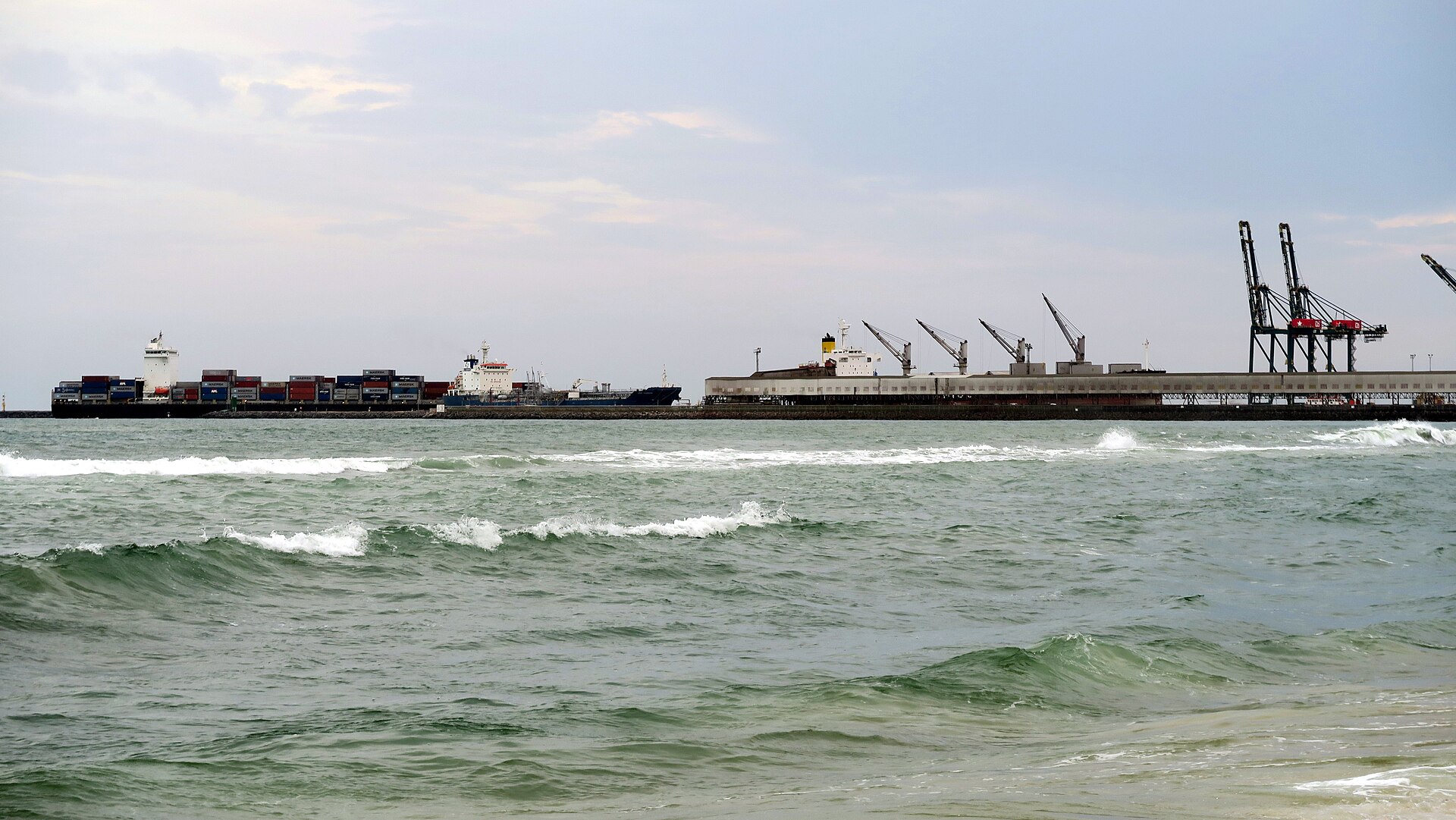
Togo sells itself as West Africa’s logistics doorway: a deep-water port, a euro-pegged currency and a shared regional business law. Here is what that means for a foreign company in October 2026.
Doing business in Togo usually means working from Lomé, the capital and port city on the Gulf of Guinea. Togo sits between Ghana and Benin and runs more than 500 kilometres inland to Burkina Faso.
The country is small: about 8.6 million people and an economy of about US$11.9 billion in 2025, World Bank data show. Its pitch to investors is reach: a deep port, a shared currency and common business law with its neighbours.
Key Facts
- The country. Togo is a narrow West African coastal state of about 8.6 million people. Its economy, about US$11.9 billion in 2025 (World Bank), is roughly a quarter the size of Vermont’s.
- Why it matters. The Port of Lomé is a main sea gateway for landlocked Burkina Faso, Niger and Mali. Togo also uses the CFA franc, a currency pegged to the euro.
- Why now. A 2024 constitution moved Togo to a parliamentary system. Faure Gnassingbé has led since May 2025 as President of the Council of Ministers, a post with no term limit.
- What happened. Lomé handled 2.4 million TEU (standard container units) in 2025, up 16%. Lloyd’s List ranked it 91st worldwide and fifth in Africa.
- The numbers. The regional central bank has held its main rate at 3% since March 2026. On 4 October 2026, US$1 bought about 583 CFA francs.
- What it means for you. Lomé works best as a regional logistics, banking and services base. Company registration is fast, but the home market is small.
- Still open. The tax office has set no start date for mandatory certified e-invoicing. A state of emergency covers the far-northern Savanes region.
Who runs Togo now
Togo adopted a new constitution on 6 May 2024, replacing its presidential system with a parliamentary one. Power now sits with the President of the Council of Ministers, the head of government chosen by the majority party.
Faure Gnassingbé, in power since 2005, was sworn into that post on 3 May 2025. The office has no fixed term limit, and the presidency of the republic is now largely ceremonial.
Parliament gave the ceremonial presidency to Jean-Lucien Savi de Tové. Opposition parties call the change a constitutional coup, and street protests against it resurfaced in July 2026.
For investors, the practical effect is policy continuity. The leadership that built the port and logistics strategy remains in charge.
Registration and legal form
Most foreign investors register a SARL (a private limited company) or an SA (a public limited company). Both forms come from OHADA, a uniform business law shared by 17 African countries.
The Centre de Formalités des Entreprises (CFE), Lomé’s one-stop business registry, handles incorporation, tax and social-security registration together. The CFE says a company can be created in under four hours.
Fees can be paid by mobile money, Visa or Mastercard, and stamp duty on registration has been dropped, according to the CFE. A consolidated official fee schedule in English is not published.
Money, banking and the central bank
Togo uses the West African CFA franc, shared by the eight members of WAEMU, the West African Economic and Monetary Union. Its value is fixed at 655.957 CFA francs per euro.
On 4 October 2026, US$1 bought about 583 CFA francs. The peg removes any Togo-only devaluation risk, but Togo has no monetary policy of its own.
The BCEAO, the region’s shared central bank, held its main policy rate at 3% on 9 September 2026. That rate has applied since March 2026.
Lomé is also a regional finance centre. Ecobank, a pan-African bank group, and BOAD, the West African Development Bank, both have their headquarters in the city.
Profits and capital can be sent abroad through an authorised bank. BCEAO foreign-exchange rules require supporting documents for each transfer.
The port and the real economy
The Port of Lomé handled 2.4 million TEU (twenty-foot equivalent units, the standard container measure) in 2025. That was up 16% from 2.06 million in 2024.
Lloyd’s List, the shipping journal, ranked Lomé 91st in the world in its 2026 table and fifth in Africa, the highest in West Africa. Only Tanger Med, Port Said, Durban and Alexandria rank higher on the continent.
The port authority markets Lomé as West Africa’s only natural deep-water port. Dredging in September 2025 deepened the channel to 18.6 metres, enough for container ships of up to 24,000 TEU.
Much of the traffic is cargo moved between ships, plus transit freight for Burkina Faso, Niger and Mali. Sahel trade rerouting through Lomé has strengthened that role.
Farming still matters inland. Togo opened its 2026-27 cocoa season on 1 October with a farm price of about US$3.84 a kilo.
Tax: the e-invoicing change
Togo’s 2026 budget law introduced certified electronic invoicing for sales between businesses. Each invoice must be certified by the tax platform and carry a unique number, a QR code and a digital fingerprint.
The Togolese Revenue Office (OTR) briefed about 50 companies on Thursday 10 September 2026 at CNP-Togo, the national employers’ council. A plain PDF invoice will not qualify.
Firms can use the tax office’s own tools or connect their own software if the OTR approves. Paper standardised invoices stay valid until the system goes live, and no start date has been set.
On the ground
French is the language of administration, courts and contracts. Foreign investors should budget for translating legal and tax documents.
Power and water supply in Lomé are less reliable than in Europe or North America. Many offices keep backup generators.
Lomé and the south are calm by regional standards. The far-northern Savanes region, on the Burkina Faso border, has faced jihadist attacks since 2021.
Togo’s parliament voted in early 2026 to extend a state of emergency in Savanes by one year. Staff travel there needs current security advice.
What Is Not Known
Togo has not published an English-language schedule of incorporation fees, or an e-invoicing rollout timeline by company size. Incentives under the investment code are negotiated project by project.
Frequently Asked Questions
What currency does Togo use for business?
The West African CFA franc, fixed at 655.957 per euro and issued by the BCEAO for the eight WAEMU countries. On 4 October 2026, US$1 bought about 583 CFA francs.
Why do companies set up in Lomé?
Mainly for the port, which handled 2.4 million TEU in 2025, the most in West Africa. Lomé also hosts regional banks and serves transit trade to Burkina Faso, Niger and Mali.
What is the biggest 2026 change for doing business in Togo?
Certified electronic invoicing, introduced by the 2026 budget law. Every business-to-business invoice will need tax-office certification, a QR code and a unique number, but no start date has been set.
Is Togo safe for expatriate staff?
Lomé and the south are calm by regional standards. The far-northern Savanes region borders Burkina Faso, is under a state of emergency and needs current security advice before any travel.
Sources
World Bank, Togo population and GDP data · Constitutional Court of Togo, swearing-in of the President of the Council, 3 May 2025 · Reuters, Togo leader gets new role without term limits · Togo First, Port of Lomé ranks 91st globally · Government of Togo, Lloyd’s List 2026 ranking · BCEAO, central bank of the WAEMU bloc · Togo First, certified e-invoicing reform · CNP-Togo, e-invoicing briefing of 10 September 2026 · Centre de Formalités des Entreprises (CFE), Togo · OHADA, harmonised business law
This article was produced by The Rio Times’ automated newsroom system. How we use AI · Report an error · Editorial responsibility: Matthias Camenzind, Editor-in-Chief