Three Continents, One Harvest: The Soft-Commodity Squeeze Latin America Can’t Ignore
Analysis · Commodities
Key Facts
- —WFP warning El Niño could push ‘nearly 49 million’ more people into acute hunger by end-2027
- —FAO July 2026 global food prices hit a 3-year high
- —Sugar +5.6% FAO cites EU heat and Asian El Niño
- —Central America +83% projected rise in food-insecure people
- —Brazil exports rising role as global food supplier
- —EU JRC bulletin Dry Corridor and Caribbean face heat/drought
- —WFP anticipatory aid US$14 million since May to half a million people
When Europe, Asia, and Africa all suffer at once, Latin America’s farms become the world’s shock absorber—and its biggest winners.
The soft-commodity squeeze is turning climate headlines into a market event. The WFP says El Niño could push nearly 49 million more people into acute hunger by end-2027, according to Reuters.
For Latin American producers, that is both a warning and an opening.
The World’s Pantry Gets a Stress Test
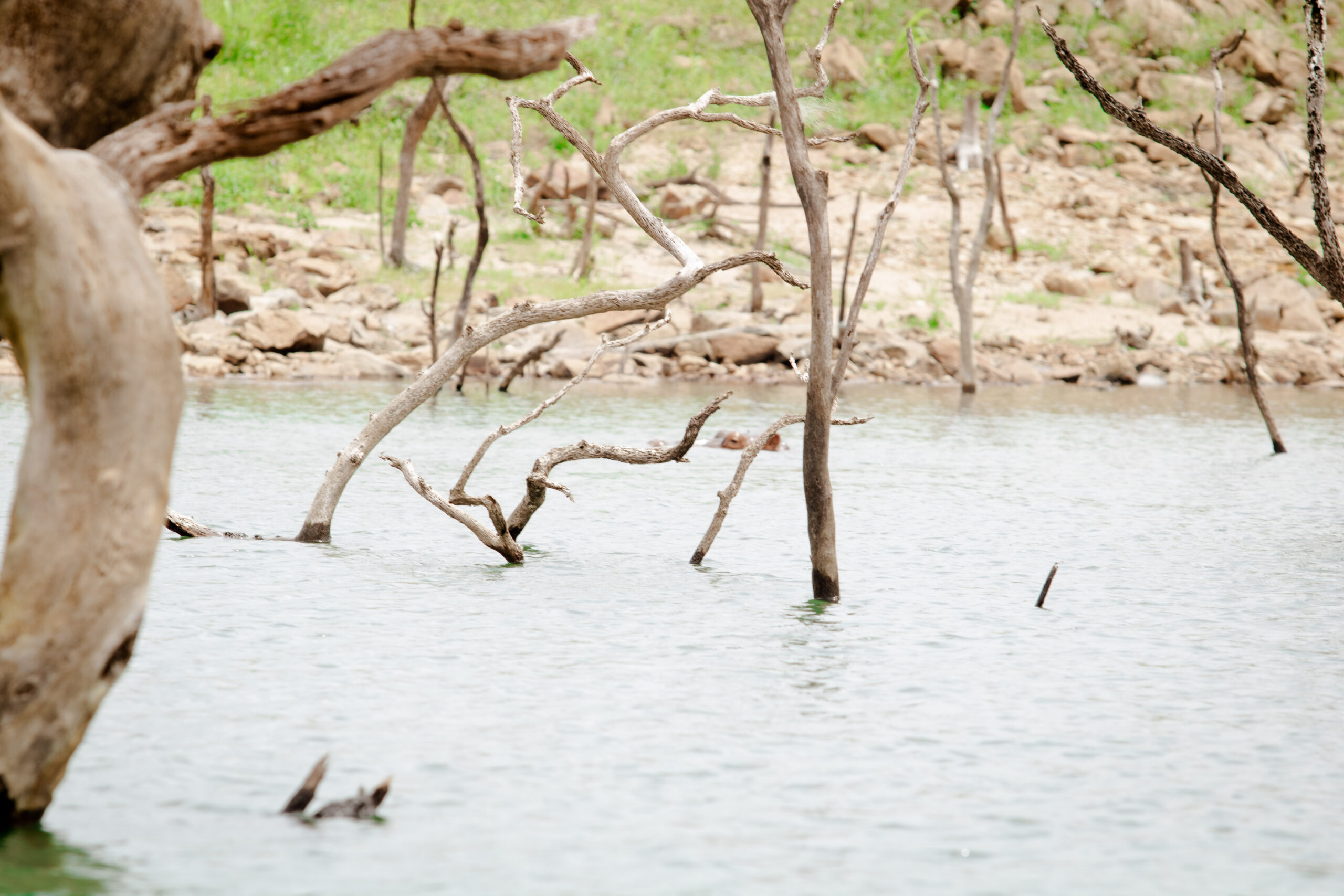
The world faced a rare squeeze in one fortnight. Heat and drought hit Europe, Asia, and Africa at the same time.
The WFP said El Niño could add ‘nearly 49 million’ acute hunger cases by end-2027. That is a 22% jump from the baseline, reaching 274 million people.
For Latin America, this is not just a distant crisis. The region is a major food exporter and a vulnerable consumer.
The region sits at the center of this global stress test. Its farms feed billions, but its people also feel the pain of price spikes.
The WFP’s warning covers a broad timeline, but the immediate pressure is already visible. The FAO’s price data confirms the trend is underway.
Understanding this dual role is key to grasping the soft-commodity squeeze. Latin America is both the solution and the victim.
The region’s agricultural output is vital for global food security. Yet its own poorest communities often suffer most when prices soar.
That paradox defines the current moment for the hemisphere. It creates both opportunity and obligation for policymakers.
The next few seasons will test the region’s resilience. The outcome will shape global food markets for years.
For now, the stress test is global, but the stakes are deeply local. Every farmer and family in Latin America feels the shift.
What Happened in That Two-Week Window
In late July 2026, European farmland suffered severe heat and dryness, according to Bloomberg and Reuters. Asia’s rice belt faced drought threats.
Africa’s East saw agricultural stress from heatwaves, per the EU JRC. That same period pushed global food prices to a 3-year high, the FAO reported.
The simultaneous stress across continents matters more than any single event. It tightens global supply and boosts prices, said the FAO.
The timing was particularly brutal for European crops. The EU JRC specifically flagged heatwaves and drought conditions across southern Europe.
Asia’s concerns centered on the rice belt, where dry conditions threatened planting. That is a major worry for global staple supplies.
East Africa was already dealing with food insecurity before this heatwave. The added stress made a difficult situation worse.
The FAO’s price index for July 2026 captured this convergence. It showed the highest reading in three years, confirming the market impact.
This window was not just about a single bad harvest. It was about multiple regions failing at the same time.
That kind of synchronized shock is rare and powerful. It overwhelms the usual buffers in the global food system.
The result was a price spike that rippled across all major soft commodities. The squeeze was on.
Live Market IntelligenceArgentina — Live Market Board
Rio Times · Live Market Intelligence
Argentina — Live Market Board
-1.57%
183,476.86
-0.27%
64,992.23
+1.13%
11,255.90
-0.39%
2,893,751
-1.57%
2,584.72
-0.95%
59,934.37
+1.27%
| Instrument | Last | Change | YoY | Prev. | High | Low | Volume |
|---|---|---|---|---|---|---|---|
| MERVAL | 2,893,751 | -1.57% | +30.51% | 3,022,485 | 3,042,365 | 2,991,150 | — |
| USD/ARS | 1,493 | +0.10% | +12.96% | 1,491 | 1,494 | 1,480 | — |
| YPF | 7,810 | +0.26% | +72.84% | 7,790 | 7,850 | 7,600 | 1,763,858 |
| GGAL | 6,980 | -0.78% | +1.82% | 7,035 | 7,115 | 6,920 | 1,564,062 |
| PAMPA | 5,115 | +0.69% | +26.70% | 5,080 | 5,140 | 5,000 | 721,190 |
| TXAR | 747.50 | -2.35% | +18.67% | 765.50 | 770.00 | 742.50 | 771,892 |
| ALUAR | 938.00 | -1.21% | +29.83% | 949.50 | 951.00 | 932.50 | 135,426 |
| TGS | 8,870 | -0.17% | +15.05% | 8,885 | 9,075 | 8,720 | 143,546 |
| CEPU | 2,156 | +1.84% | +28.36% | 2,117 | 2,165 | 2,086 | 404,146 |
| MIRGOR | 1,650 | -1.20% | -92.90% | 1,670 | 1,670 | 1,635 | 20,877 |
| COME | 40.93 | -0.73% | -30.47% | 41.23 | 41.60 | 40.50 | 4,258,884 |
| LOMA NEGRA | 3,130 | +0.08% | +5.80% | 3,128 | 3,205 | 3,090 | 182,992 |
| BYMA | 275.00 | -1.70% | +35.14% | 279.75 | 282.50 | 272.00 | 1,409,575 |
| TELECOM ARG | 4,233 | -0.70% | +55.19% | 4,263 | 4,335 | 4,160 | 31,896 |
| GLOBANT | 38.10 | -2.26% | -49.65% | 38.98 | 38.70 | 36.77 | 793,552 |
| MERCADOLIBRE | 1,870 | -3.59% | -20.71% | 1,940 | 1,927 | 1,870 | 329,640 |
The Soft-Commodity Squeeze: A Price Event, Not Just Weather
Weather extremes are usually local. But they become a price event when they hit several major regions at once.
The FAO’s July 2026 price index hit a 3-year high, driven by weather and war. Sugar rose 5.6% alone, with hot EU weather and Asian El Niño conditions blamed.
That means the squeeze is not a forecast. It is already in the market, affecting soy, corn, wheat, and coffee.
The term ‘soft-commodity squeeze’ captures this dynamic precisely. It is the market’s reaction to a convergence of supply shocks.
The FAO’s report explicitly linked the sugar price jump to specific regional conditions. That is a clear example of the mechanism at work.
Traders are now pricing in the risk of continued disruption. That is why prices have moved beyond just the immediate weather event.
The squeeze is also being amplified by non-weather factors like war. The FAO mentioned conflict as a key driver alongside climate.
This combination of shocks is what makes the current situation unique. It is not just a bad season, but a systemic event.
For consumers, this means higher grocery bills and potential shortages. For producers, it means windfall profits and strategic opportunity.
The soft-commodity squeeze is a call to pay attention to global systems. It shows how interconnected our food markets really are.
Latin America’s Winners: Brazil and Exporters
Brazil is the clearest winner when other regions suffer. It is a top exporter of soy, corn, coffee, and sugar, and can fill global gaps.
Reuters noted Brazil’s rising role as a key exporter, cushioning global supply. Higher global prices directly boost Brazilian agribusiness revenue.
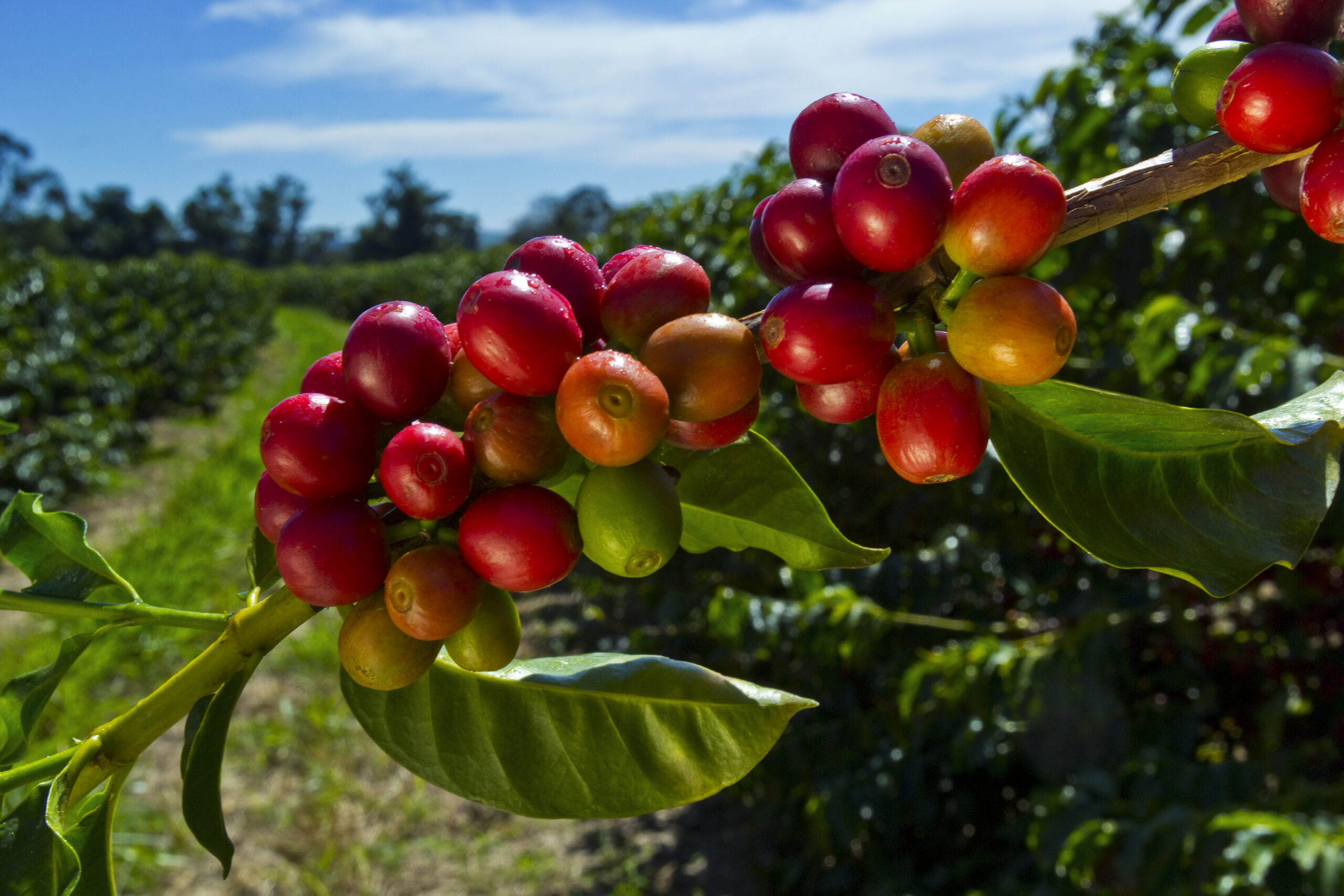
Coffee and sugar exporters benefit when weather lifts prices. The FAO’s sugar price jump is a direct example.
Brazil’s agricultural sector is well-positioned to expand output. Its vast farmland and favorable climate give it a competitive edge.
The country has also invested heavily in agricultural technology. This helps it maintain yields even under variable conditions.
Argentine exporters also stand to gain if they can capitalize. The Pampas region is a major producer of soy and corn.
The key for these countries is logistics. Getting crops to ports efficiently is essential to realizing higher global prices.
There is also a strategic dimension for Brazil. It is becoming a cornerstone of global food security, which enhances its geopolitical standing.
The revenue boost can fund further investment in agriculture. This creates a virtuous cycle for the sector.
But benefits are not automatic. Exporters must manage risks like domestic inflation and exchange rate volatility.
The Exposed: Central America and the Caribbean
Central America faces the sharpest risk. The WFP says food-insecure people could rise 83% under El Niño.
The Dry Corridor and Caribbean face heat and drought, per the EU JRC. Cuba and Haiti already report agricultural crisis conditions.
High production costs and import dependence make these countries vulnerable to price spikes. The impact hits families, not just farms.
The Dry Corridor is a particularly fragile region. It spans Guatemala, Honduras, El Salvador, and Nicaragua.
The EU JRC bulletin highlighted the Caribbean’s vulnerability. The combination of heat and drought threatens both crops and livelihoods.
Cuba’s situation is acute, with severe food shortages reported. Haiti, already facing political instability, is now also dealing with agricultural crisis.
These countries rely heavily on imported food. That makes them hostages to global price movements.
Local production is often small-scale and rain-fed. This means it is highly susceptible to drought and other weather extremes.
The WFP’s 83% projection is a stark warning. It indicates a humanitarian crisis could be looming.
For these nations, the soft-commodity squeeze is not an economic issue. It is a matter of survival.
South America’s Double-Edged Sword
South America’s Pacific coast and Andes face flood and landslide risk, the EU JRC said. That can disrupt planting, harvests, and transport.
El Niño typically brings heavy rains to parts of South America, but that is not uniform. Brazil might get favorable weather, while Peru and Ecuador could flood.
The mechanism is that global prices are set at the margin. Any shortfall in Brazil or Argentina has outsized effects on soy, corn, and coffee prices.
While Brazil may benefit overall, its southern regions could see excess rain. That can delay harvests and reduce crop quality.
Peru and Ecuador are highly exposed to coastal flooding. Their agricultural sectors are vulnerable to the heavy rains and landslides.
The Andes region could see infrastructure damage. This would disrupt supply chains and add to costs.
Even in a ‘good’ El Niño scenario for Brazil, there are risks. Too much rain can be just as damaging as too little.
Argentina’s situation is more variable. Some forecasts suggest it could be drier, while others point to normal conditions.
The uncertainty itself is a problem. It makes it difficult for farmers to plan and for markets to price risk accurately.
This means the ‘buffer’ role is not guaranteed. South America could amplify the squeeze, not just soften it.
Why This Time Is Different: Markets, Not Just Crops
Reuters says near-record inventories and tech gains make the system more resilient. Brazil and Russia have risen as exporters.
But simultaneous supply constraints from war and weather are pushing prices up, not just El Niño. Fertilizer and diesel shortages add to costs.
So the squeeze is a market event, not just a weather one. That is why investors and governments must watch prices, not just rainfall.
The Russian invasion of Ukraine continues to disrupt wheat and sunflower oil exports. This removes a critical supply source from the market.
Fertilizer prices remain elevated due to sanctions and high energy costs. This strains farmer budgets globally.
Diesel shortages are also a factor, impacting the cost of planting and harvesting. This adds another layer to the squeeze.
In previous El Niño events, the global system had more slack. Now, with inventories tight and trade disrupted, there is less room to absorb shocks.
Technology helps, but it cannot fully offset extreme weather. Genetically modified crops may be more resistant, but they are not immune.
The combination of war, weather, and input costs is what makes this unique. It is a multi-faceted crisis, not a single shock.
This complexity means the recovery will likely be slow. Prices may stay elevated for longer than in previous cycles.
The Southern Hemisphere Loop: What It Means for Your Portfolio
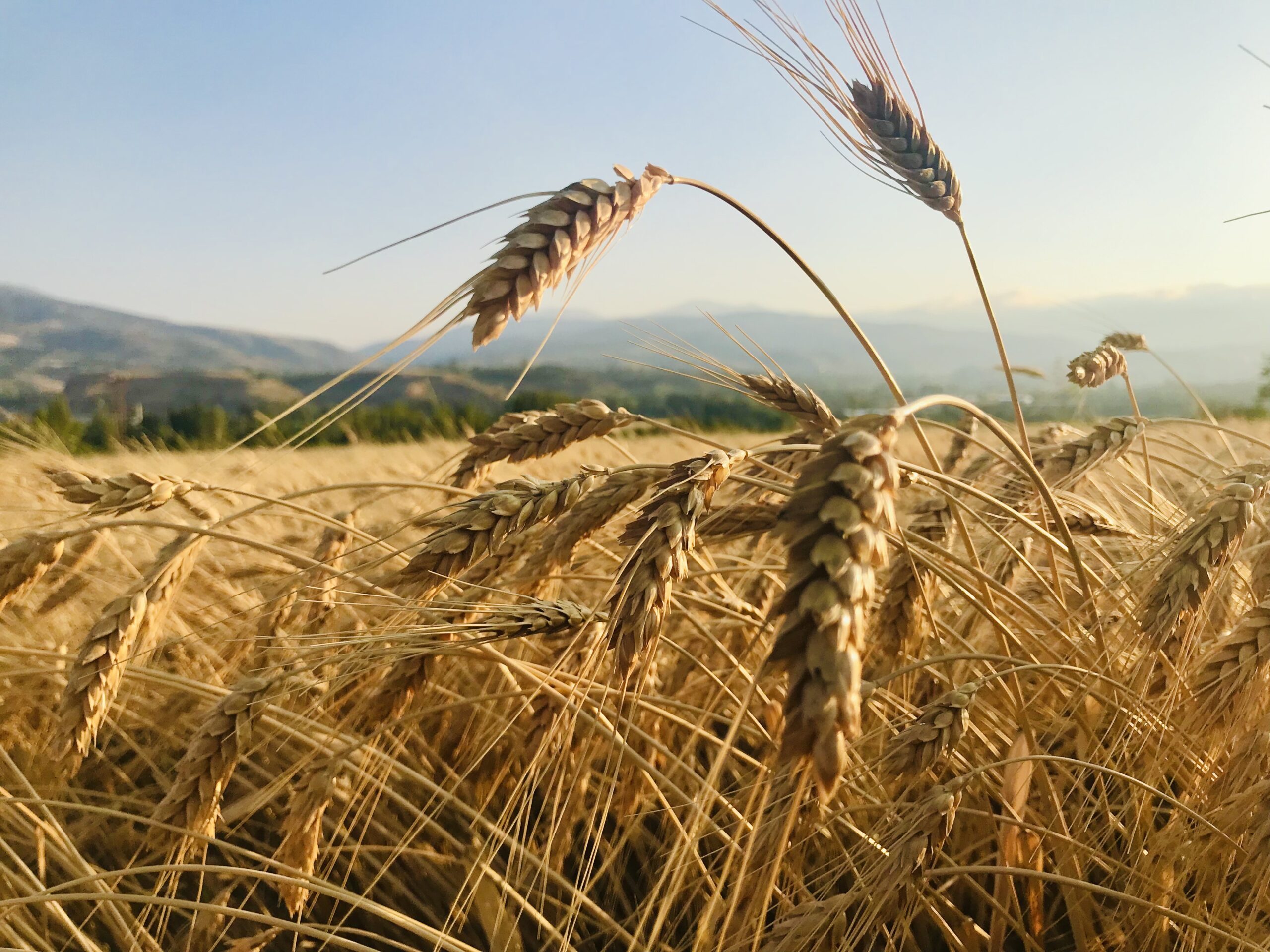
If Brazil and Argentina deliver strong crops, they can offset Northern Hemisphere losses. That would ease global supply and calm prices.
But if South America turns dry, the world loses its main buffer. Then expect higher soy, corn, sugar, and coffee prices.
For investors, this means Brazilian agribusiness is a hedge. But livestock and feed users face margin pressure from higher input costs.
The ‘Southern Hemisphere Loop’ is a key concept for investors. It refers to the ability of South American farmers to compensate for shortfalls elsewhere.
Following the March-April planting season in South America is crucial. The weather during that window will define the global supply outlook.
Investors should also watch the Brazilian real. A weaker currency can boost export competitiveness, but it can also fuel inflation.
Diversification is important in this environment. Not all soft commodities will behave the same way.
Coffee and sugar might spike while grains stay stable. Understanding the specific supply-demand dynamics for each is critical.
There is also a role for commodity-linked equities. Companies in the fertilizer, shipping, and logistics sectors are exposed to these trends.
But the uncertainty is high. Any forecast of the Southern Hemisphere crop is still a bet, not a sure thing.
How to Navigate the Squeeze: Practical Steps
Watch the WFP and FAO monthly reports for price and hunger data. Also track the EU JRC bulletins for crop conditions.
For producers, consider forward contracts to lock in prices. For investors, look at Brazilian exporters like those in the soy and sugar chains.
For governments, invest in anticipatory aid like the WFP’s US$14 million program. That helps the most exposed people.
The WFP’s US$14 million program since May has reached half a million people. This is a model for how to respond proactively.
Producers should also consider crop insurance. It can protect against the downside of a bad season.
For consumers, the advice is to be prepared for higher prices. Budgeting for food costs is more important now than ever.
Governments in the region should also review their strategic reserves. Having a buffer stock can help stabilize domestic prices.
Investment in irrigation is another long-term strategy. It reduces dependence on rainfall and mitigates drought risk.
The private sector can contribute by improving supply chain efficiency. Reducing post-harvest losses is a key opportunity.
Innovation in climate-resilient crops is also essential. Both public and private investment in this area will pay dividends.
Frequently Asked Questions
What exactly is the soft-commodity squeeze?
It is a situation where multiple regions face harvest stress at the same time. Tightening global supply and pushing up prices for crops like soy, corn, wheat, and sugar.
How does this affect food prices in Latin America?
Higher global prices raise export revenues for producers, but they also raise local food costs. Especially in import-dependent Central America and the Caribbean.
Which Latin American countries are most at risk?
Central America and the Caribbean are most exposed. With an 83% projected rise in food insecurity in Central America under the El Niño scenario, per the WFP.
Can Brazil really benefit from this?
Yes. As a top exporter, Brazil can sell more at higher prices if other regions fail.
What should investors watch now?
Track FAO’s price index, WFP’s hunger projections, and EU JRC’s crop bulletins. Watch Brazil’s planting and harvest reports, and any sign of drought there.
Sources: Reuters, FAO, WFP, EU JRC, Bloomberg, UN News
This article was produced by The Rio Times’ automated newsroom system. How we use AI · Report an error
Read More from The Rio Times