The West’s hybrid war against Russia could boost nickel exploration in Brazil
RIO DE JANEIRO, BRAZIL – Brazil, which has the third-largest nickel reserves in the world, could prove to be an alternative for investment in this sector, which is experiencing a scenario of record prices and great uncertainty following the start of the West’s Russia “canceling”.
At the beginning of March, the international nickel price reached US$100,000 per ton for the first time in history, reflecting the increased risk for Russia, which now accounts for 10% of global production.
Negotiations were interrupted on the London Commodity Exchange, but still, the metal closed above US$48 thousand (R$230 thousand) per ton for a few trading days.

The conflict in Eastern Europe hit the market at a heated time, as prices were already under pressure from high demand for batteries for electric vehicles and solar or wind power plants.
This scenario was already benefiting Brazil through higher revenues from exports and royalties. It led to the resumption of operations at one of the country’s largest mines in Bahia, which had been shut down in 2015 and will reopen in 2019.
Industry experts believe the price increase and more significant uncertainty about the future of Russian supply may accelerate exploration projects for the metal in the country.
“The price increase favors the search for deposits, more thorough geological studies, and portfolios of projects waiting for a more favorable moment,” says Aline Nunes, mining affairs coordinator at Brazilian mining institute Ibram.
Ibram examined four major nickel production projects underway in the country, with investments totaling US$1 billion (R$4.8 billion, at current exchange rates). These are projects approved before the war, with prices far below today.
In 2021, for example, the average nickel price was US$18,500 per ton. After the war began and peaked earlier this month, the metal traded at around US$37,000 per ton on Friday (25th).
“Brazil was already a major player before the war. This geopolitical scenario undoubtedly creates a new market level,” says Gilberto Calaes, advisor to the Board of Geology and Mineral Resources of the CPRM (Brazilian Geological Institute).
According to estimates by the USGS, the United States Geological Survey, Brazil has estimated reserves of 16 million tons, trailing only Indonesia and Australia with 21 million each.
However, it was the eighth-largest producer at 100 thousand tons per year in 2021. This figure represents a 50% increase in just two years and reflects the resumption of operations at the Santa Rita mine in Itagibá, 400 km from Salvador.
The mine had been shut down due to the drop in ore prices and resumed operations, which have become profitable due to the demand for batteries. Atlantic Nickel’s operator is controlled by the British group Appian Capital Advisory.
After buying the project, the company has carried out new studies and is already considering doubling the life of the mine, which was estimated at ten years. Atlantic Nickel would not give an interview about the events when asked.
At City Hall, the return of local exploration is being celebrated. “It is fundamental for the community, but this resumption could help the entire region,” says Itagibá Mayor Marquinhos (PCdoB).
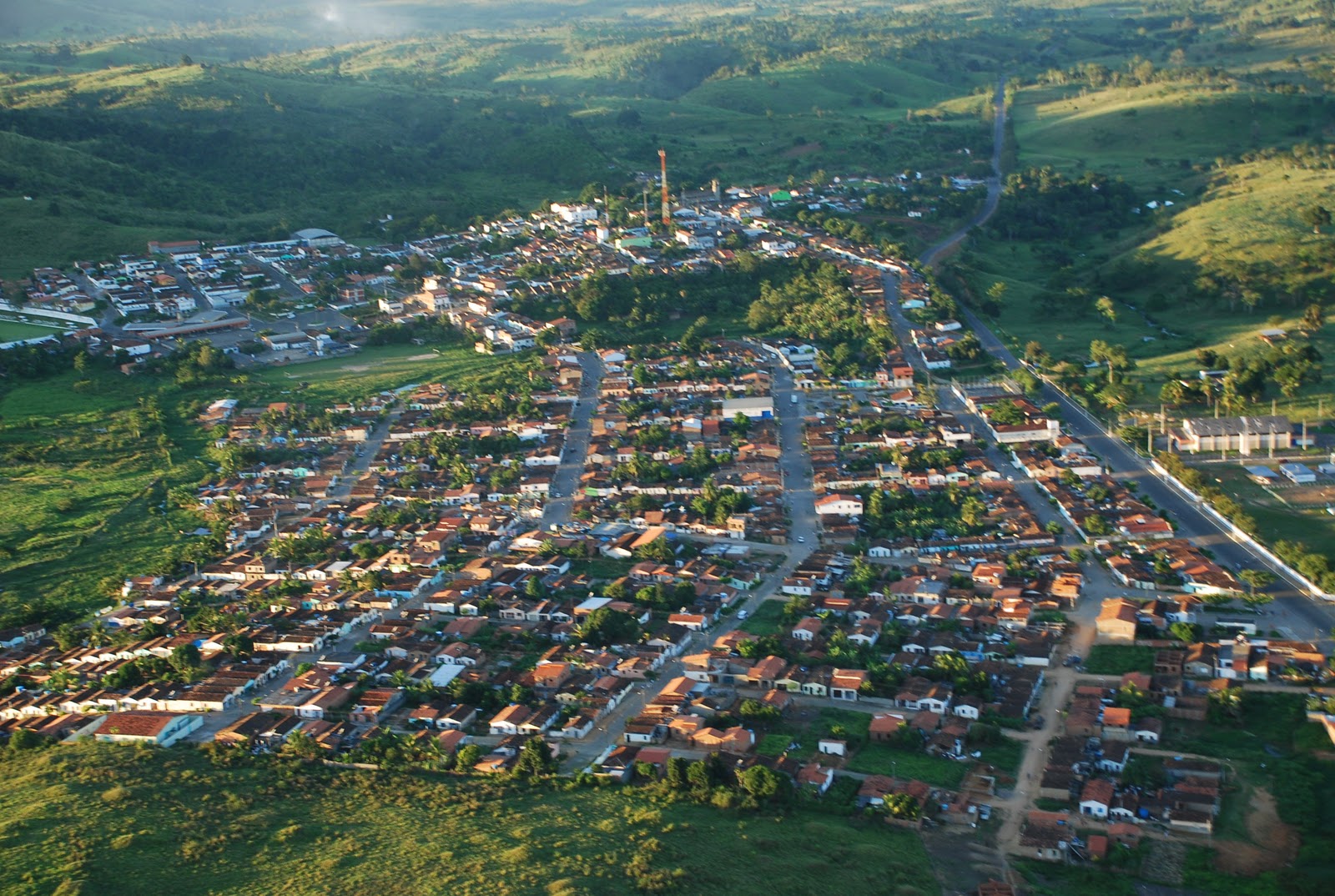
In 2021, Itagibá was the 26th most prominent collector of Cfem (financial contribution for mineral exploration) in the country, with R$27.4 million. Considering only the municipalities that produce nickel, it was the most significant player, according to the ANM (National Mining Authority).
The city’s population is estimated at 15,200 by the IBGE (Brazilian Institute of Geography and Statistics). The mine alone provides about two thousand jobs, according to the mayor. Between 2018 and 2021, the municipality’s current revenues will almost double, from R$44.5 million, already corrected by IPCA, to R$81.4 million.
“The municipality today is full of work from these resources,” says the mayor.
The rising price, combined with increased nickel production, makes itself felt in Brazil’s trade balance. In March, exports of the metal totaled US$31.6 million (R$151 million), almost double the US$17.9 million (R$86 million) exported in the same period of 2020.
In 2021, the country exported US$237.2 million worth of nickel ore and its concentrates, more than three times the US$77.7 million exported the previous year.
Although the company has most of its nickel production outside the country, the scenario also favors Vale, one of the largest producers of the metal in the world, since it acquired Canada’s Inco in 2006. In 2021, the company produced 168,000 tons of metal.
“Nickel, copper, and cobalt are experiencing a renaissance due to the global low-carbon energy transition,” Deshnee Naidoo, the mining company’s executive vice president of base metals, said in a conference call with analysts in late February.
“The increasing demand combined with the lack of supply will generate a lot of interest across the industry,” she added, who expects consumption to double in the next decade as electric vehicles become more widespread.
Vale has already announced studies for an IPO in base metals to take advantage of growth prospects in this segment. However, at the conference in February, the company reiterated that it does not yet have a definition on this topic.
With information from Folha
More: Brazil news in English, every day from The Rio Times.
This article was produced by The Rio Times’ automated newsroom system. How we use AI · Report an error · Editorial responsibility: Matthias Camenzind, Editor-in-Chief