IBOV 185,146.69 ▼ 0.26% IPSA 11,289.90 ▼ 0.71% IPC MEX 64,814.97 ▼ 0.39% MERVAL 3,107,396 ▼ 0.09% COLCAP 2,580.41 ▼ 0.14% BVL PERÚ 60,702.89 ▼ 1.24% USD/BRL5.10▼ 0.17% USD/MXN16.97▲ 0.44% USD/CLP938.50▲ 1.17% USD/COP3,087▼ 0.96% USD/PEN3.37▲ 0.35% USD/ARS1,512▼ 0.12% USD/UYU40.24▲ 3.05% USD/PYG5,868▲ 2.26% USD/BOB12.36▲ 1.91% USD/DOP58.63▲ 0.22% USD/CRC447.58▲ 1.69% USD/GTQ7.63▲ 3.04% USD/HNL26.85▲ 0.57% USD/NIO36.62▲ 0.34% USD/VES825.67▼ 0.13% USD/PAB1.00— 0.00% USD/BZD2.00— 0.00% USD/JMD 157.28 — 0.00% USD/TTD6.73▲ 2.40% EUR/BRL5.93▲ 0.36% BRENT 88.88 ▼ 0.03% WTI 83.11 ▼ 0.11% IRON ORE 161.91 — — COPPER 6.61 ▲ 0.03% GOLD 4,461 ▲ 1.78% SILVER 65.59 ▲ 1.26% SOY 1,184 ▲ 3.20% CORN 480.50 ▲ 10.02% WHEAT 655.00 ▲ 3.93% COFFEE 317.25 ▼ 5.51% SUGAR 16.43 ▼ 1.79% ORANGE JUICE 138.55 ▼ 0.47% COTTON 85.03 ▲ 2.33% COCOA 5,719 ▲ 3.18% BEEF 223.60 ▼ 3.93% CATTLE 339.10 ▼ 3.16% LITHIUM 75.20 ▲ 1.47% PETR4 41.64 ▼ 0.05% VALE3 72.97 ▲ 0.83% ITUB4 38.60 ▼ 1.03% BBDC4 16.85 ▲ 0.36% ABEV3 14.89 ▼ 0.80% BBAS3 19.37 ▲ 0.47% B3SA3 14.26 ▼ 0.21% WEGE3 47.59 ▲ 0.49% PRIO3 59.14 ▼ 0.19% SUZB3 41.33 ▲ 2.35% RENT3 34.68 ▼ 0.09% AZZA3 15.89 ▼ 2.63% CSAN3 3.22 ▼ 1.83% RAIZ4 0.25 — 0.00% PCAR3 2.75 ▼ 0.36% GMAT3 3.65 ▼ 1.08% PSSA3 48.13 ▼ 0.54% CVCB3 1.33 ▼ 2.92% POSI3 3.36 ▲ 2.44% SLCE3 13.34 ▲ 0.30% NATU3 8.14 ▼ 0.73% IBOV 185,146.69 ▼ 0.26% IPSA 11,289.90 ▼ 0.71% IPC MEX 64,814.97 ▼ 0.39% MERVAL 3,107,396 ▼ 0.09% COLCAP 2,580.41 ▼ 0.14% BVL PERÚ 60,702.89 ▼ 1.24% USD/BRL 5.16 ▲ 0.01% USD/MXN 17.06 ▼ 0.24% USD/CLP 913.98 ▲ 0.04% USD/COP 3,140 ▲ 0.03% USD/PEN 3.36 ▼ 0.66% USD/ARS 1,493 ▲ 0.10% USD/UYU 40.27 ▲ 1.24% USD/PYG 5,939 ▲ 1.68% USD/BOB 11.64 ▼ 0.76% USD/DOP 58.34 ▲ 1.25% USD/CRC 445.92 ▲ 0.89% USD/GTQ 7.62 ▲ 2.21% USD/HNL 26.79 ▲ 1.57% USD/NIO 36.62 ▲ 0.69% USD/VES 762.44 ▼ 0.13% USD/PAB 1.00 — 0.00% USD/BZD 2.00 — 0.00% USD/JMD 157.28 — 0.00% USD/TTD 6.70 ▲ 0.61% EUR/BRL 5.95 ▲ 1.01% BRENT 88.88 ▼ 0.03% WTI 83.11 ▼ 0.11% IRON ORE 161.91 — — COPPER 6.61 ▲ 0.03% GOLD 4,461 ▲ 1.78% SILVER 65.59 ▲ 1.26% SOY 1,184 ▲ 3.20% CORN 480.50 ▲ 10.02% WHEAT 655.00 ▲ 3.93% COFFEE 317.25 ▼ 5.51% SUGAR 16.43 ▼ 1.79% ORANGE JUICE 138.55 ▼ 0.47% COTTON 85.03 ▲ 2.33% COCOA 5,719 ▲ 3.18% BEEF 223.60 ▼ 3.93% CATTLE 339.10 ▼ 3.16% LITHIUM 75.20 ▲ 1.47% PETR4 41.64 ▼ 0.05% VALE3 72.97 ▲ 0.83% ITUB4 38.60 ▼ 1.03% BBDC4 16.85 ▲ 0.36% ABEV3 14.89 ▼ 0.80% BBAS3 19.37 ▲ 0.47% B3SA3 14.26 ▼ 0.21% WEGE3 47.59 ▲ 0.49% PRIO3 59.14 ▼ 0.19% SUZB3 41.33 ▲ 2.35% RENT3 34.68 ▼ 0.09% AZZA3 15.89 ▼ 2.63% CSAN3 3.22 ▼ 1.83% RAIZ4 0.25 — 0.00% PCAR3 2.75 ▼ 0.36% GMAT3 3.65 ▼ 1.08% PSSA3 48.13 ▼ 0.54% CVCB3 1.33 ▼ 2.92% POSI3 3.36 ▲ 2.44% SLCE3 13.34 ▲ 0.30% NATU3 8.14 ▼ 0.73%
since 2009
Thursday, September 10, 2026

Crypto Brazil

The Price of Coercion: Public Turns Against mRNA Technology

By · November 18, 2024 · 2 min read

The LatAm Brief

One email, every weekday morning. What moved in Latin American markets, politics and expat life.

Yesterday’s subject line: “YPF sells US$1.2bn bond, Argentina's biggest since 2015”

Free. We send a confirmation link first — nothing arrives until you click it. Unsubscribe with one click in any edition. If you stop opening us for 30 days we stop sending by ourselves, as we assume the interest is no longer there. See our privacy policy. We never share your email.

The pharmaceutical industry’s aggressive promotion of mRNA vaccines during the COVID-19 pandemic has resulted in an unprecedented crisis of public trust. Recent data from a comprehensive WHO-affiliated study reveals the extent of this backlash, with implications far beyond the pandemic.

The numbers tell a stark story. Among 740,533 analyzed tweets, 69.5% expressed negative sentiments towards mRNA technology. Safety concerns dominated the discourse, with 362,850 tweets (66.9%) deeming mRNA vaccines unsafe. Trust in authorities plummeted, with 57.2% of discussions reflecting outright distrust.

While skepticism spans the globe, some regions show particularly strong resistance. Tanzania, Colombia, and Russia lead in negative sentiment, each showing rejection rates above 75%. Even in regions with historically high vaccine acceptance, confidence has eroded significantly.
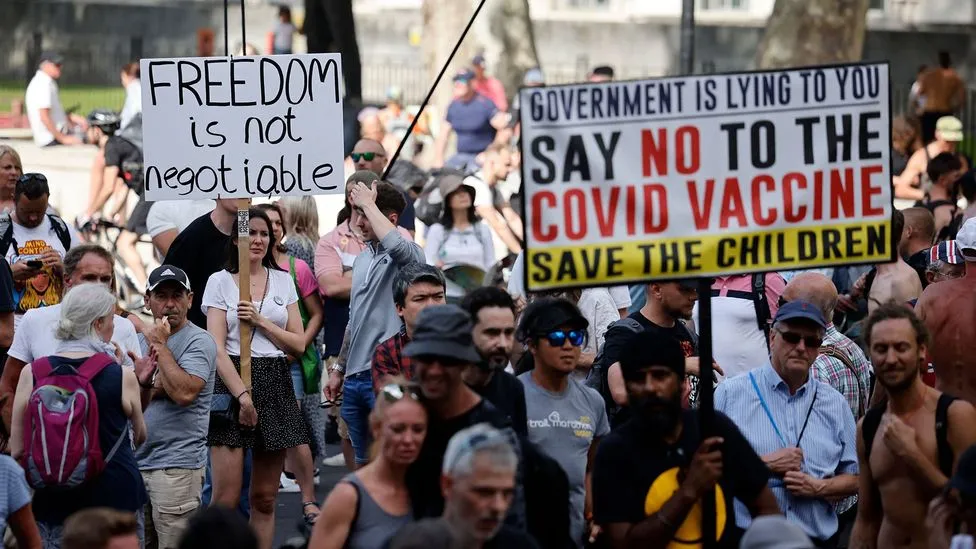
The Price of Coercion: Public Turns Against mRNA Technology
The Price of Coercion: Public Turns Against mRNA Technology.
One-stop reference
Company Intelligence
Every listed company in Latin America — financials, ownership and structure for 1,450+ companies across 26 exchanges, in one place.
Browse the directory →
RT
Ask Rio Times
17 years of Latin America reporting, on demand.
Open the full Ask Rio Times →

The damage extends beyond vaccines. A significant 13.9% of respondents reported decreased trust in science itself due to COVID-19 vaccine development. The pharmaceutical industry suffered even more, with 18.7% reporting diminished trust.

The Price of Coercion: Public Turns Against mRNA Technology

The consequences are already visible. Only 28% of U.S. adults have received updated COVID-19 vaccines, despite aggressive promotion. This represents a dramatic shift from 2021, when 69% of adults sought full vaccination.

The mRNA therapeutics market, valued at $52.85 billion in 2023, faces uncertain growth prospects. While projections suggest expansion to $113.41 billion by 2028, widespread public rejection threatens these forecasts.

https://www.riotimesonline.com/brazil-news/modern-day-censorship/already-98-new-mrna-vaccines-against-flu-hiv-and-much-more-in-the-pipeline/

The rushed development and emergency authorization of mRNA vaccines created lasting suspicion. Public perception of these products as “experimental” persists, fueled by concerns about long-term effects and biological mechanisms. The industry’s lack of transparency and aggressive promotion tactics have only deepened this mistrust.

The pharmaceutical industry now faces a critical challenge. Future mRNA-based innovations, including promising cancer treatments, risk rejection due to this erosion of trust. The Texas GOP’s stance against mRNA technology exemplifies how public skepticism has transformed into political opposition.

This crisis serves as a cautionary tale about the consequences of forcing medical innovations without adequate public trust and transparency. The industry’s path forward requires a fundamental shift in approach, prioritizing transparency and genuine public engagement over forced adoption.

Download study here.

This article was drafted with automated assistance and reviewed before publication. How we use AI · Report an error

Read More from The Rio Times

The Rio Times · Power Map
See who really holds power in Latin America
Click to open the Power Map

Rotate for Best Experience

This report is optimized for landscape viewing. Rotate your phone for the full experience.