The keel laying of the first Tamandaré frigate is a new milestone for the Brazilian shipbuilding industry
By Roberto Caiafa
Marking another important phase in the construction of the Tamandaré frigate, the Brazilian Navy and the consortium Águas Azuis, composed of the companies Thyssenkrupp Marine Systems, Embraer Defesa & Segurança, and Atech, carried out the keel laying of the first of the four Tamandaré frigates.
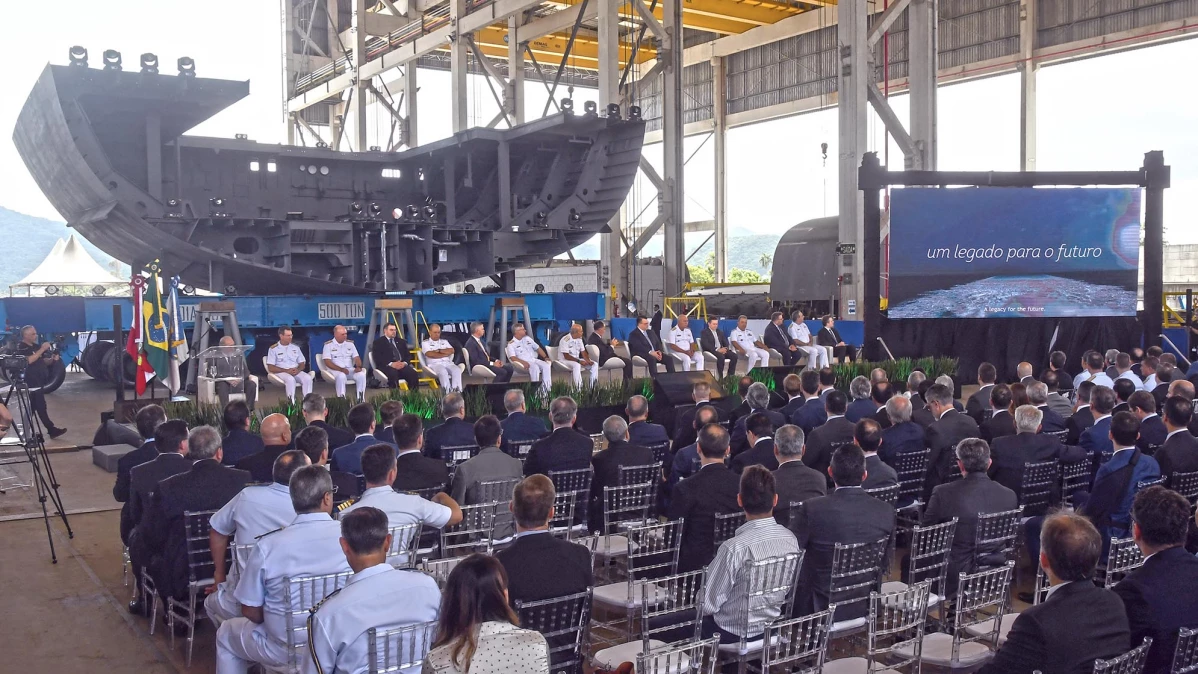
The ceremony, which Infodefensa.com attended, took place at the Thyssenkrupp Estaleiro Brasil Sul company’s facilities in Itajaí-SC and was attended by the Navy Commander, Fleet Admiral Marcos Sampaio Olsen.
Present were the civilian and military authorities from the Ministry of Defense, members of the Brazilian Navy High Command, leaders of the naval industry and the Defense Industrial Base (BID) such as Embraer Defense and Security, representatives of EMGEPRON (company linked to the Brazilian Navy and responsible for the project management of the ships), Consórcio Águas Azuis (responsible for the actual construction of the ships), technical staff and employees of the Thyssenkrupp Brasil Sul Shipyard, and other guests.
CONSTRUCTION PROCESS
Traditionally this type of ceremony takes place when the keel is completed, that is, the backbone of the ship, which allows the structuring of the other parts.
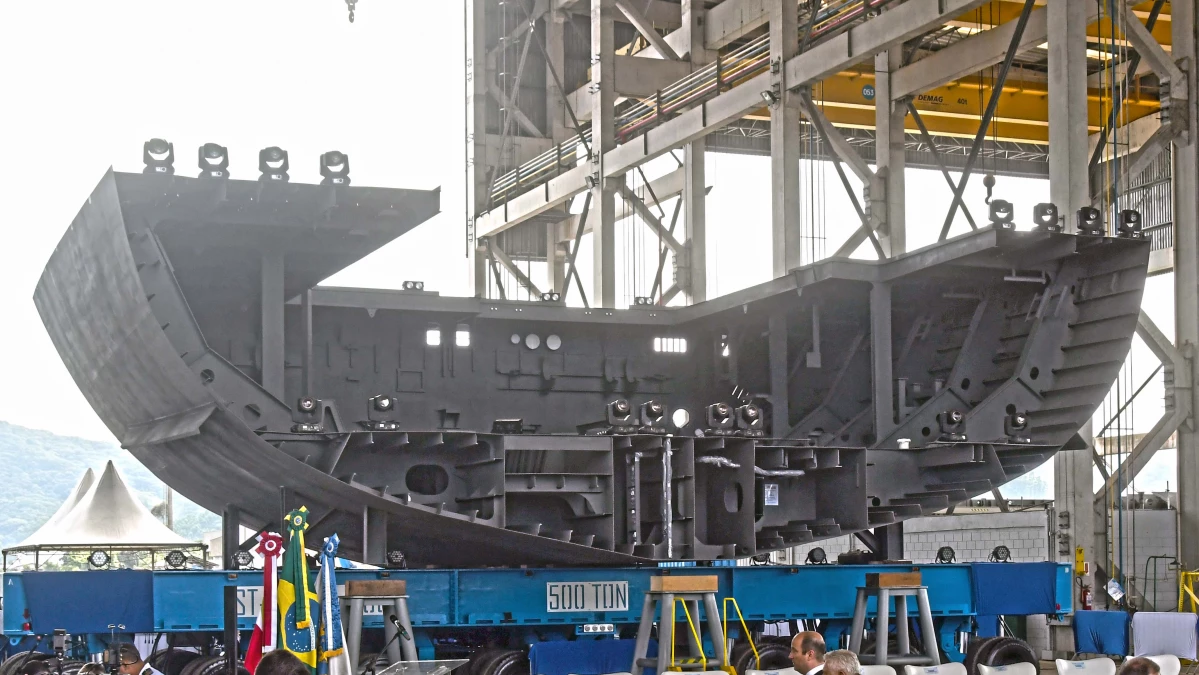
However, in this case, it was characterized by placing an important structural block of approximately 52 tons corresponding to one of the ship’s engine rooms, where two engines, a gearbox, and several auxiliary equipment will be installed.
This is because the evolution of engineering and modern production processes adopted in this shipbuilding program has made it possible for the four vessels ordered to be built in blocks.
This block is below the ship’s waterline (live work) and will soon receive more layers above the waterline, increasing its height and weight.
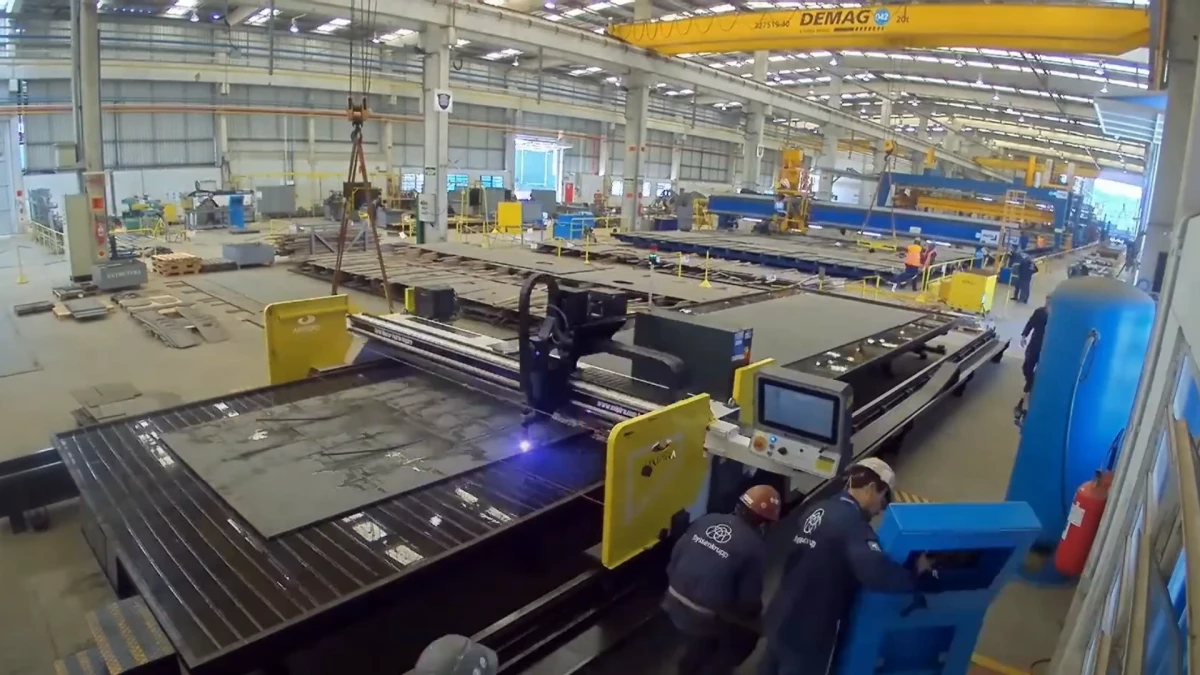
Each subsection of a structural block is first laser-cut directly from steel plates in the required shapes using high-tech cutting machines, which can handle large plate sizes and thicknesses and perform intelligent cutting that maximizes work and reduces material waste.
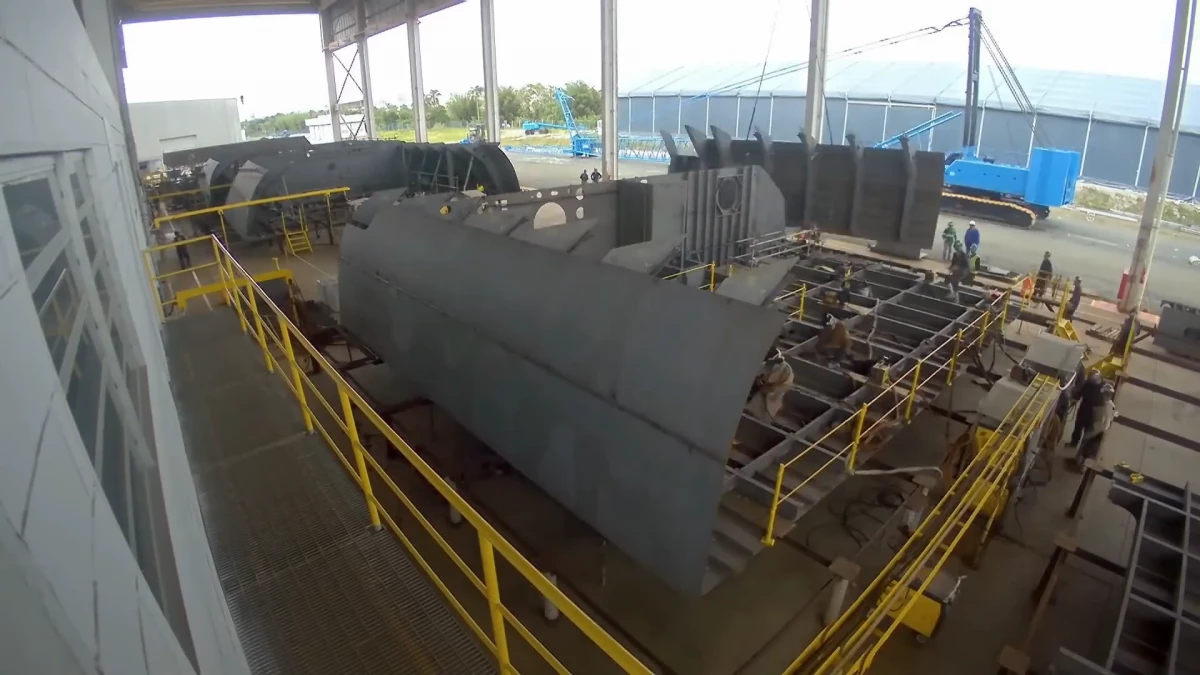
The cut parts and plates are placed in special assembly jigs where they are welded, giving rise, for example, to the caverns, transversely placed reinforcement pieces, which form the ship’s frame.
Their lower ends are attached to the keel, and the upper ends are connected to the beams supporting the deck.
The entire production scheme follows the industrial paperless concept (digitization of work processes), which in practice represents a better use of data traffic between the shipyard’s systems, connecting the sectors more efficiently, helping the organization and execution of tasks, which streamlines the workflow.
Historically, projects of this size used to be developed based on many printed documents, such as plans, procedures, and manuals, which required many copies and periodic updates (costs and deadlines).
The paperless methodology consists, then, in eliminating the use of paper drawings in the production line and transforming them into digital files, which benefits the security of the information contained in the documents due to the confidentiality required in a military project, and for the environment.
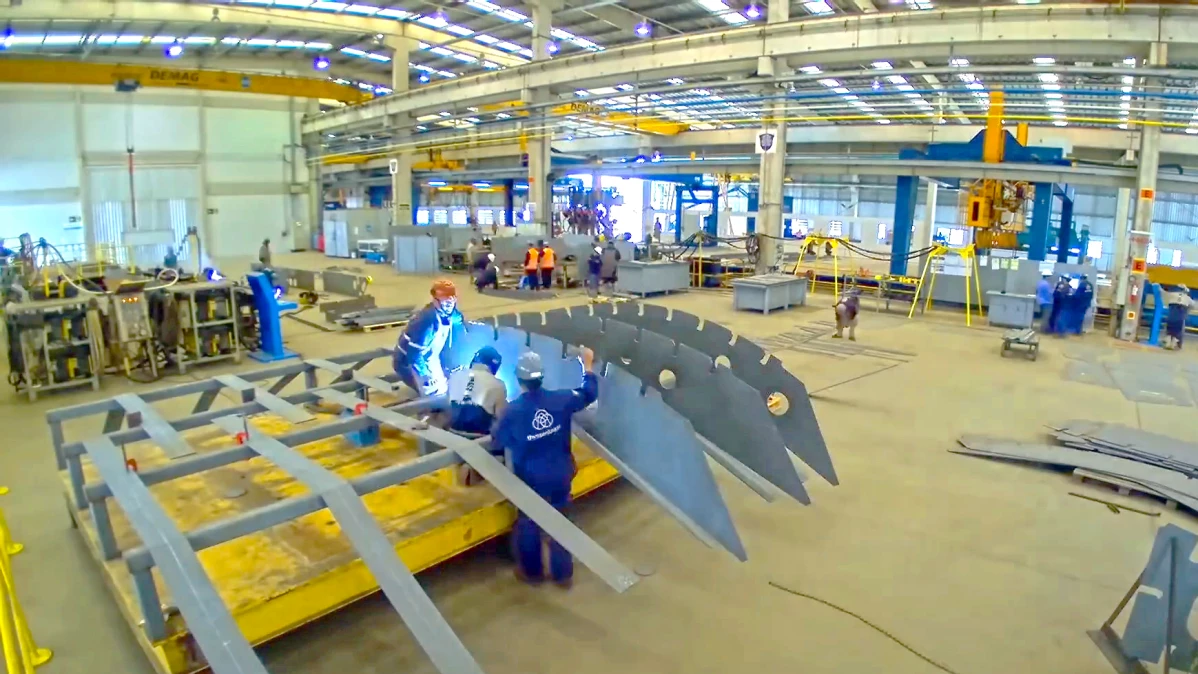
The working time of the professionals is spent much more in the execution of the task than in the search for information, such as looking for work instructions, documents with design and execution data, etc.
COINS AND KEEL STRIKING
At the ceremony’s climax, a special set of Challenge Coins was presented to the Navy and Industry representatives, symbolically collected by two shipyard employees and placed in a box.
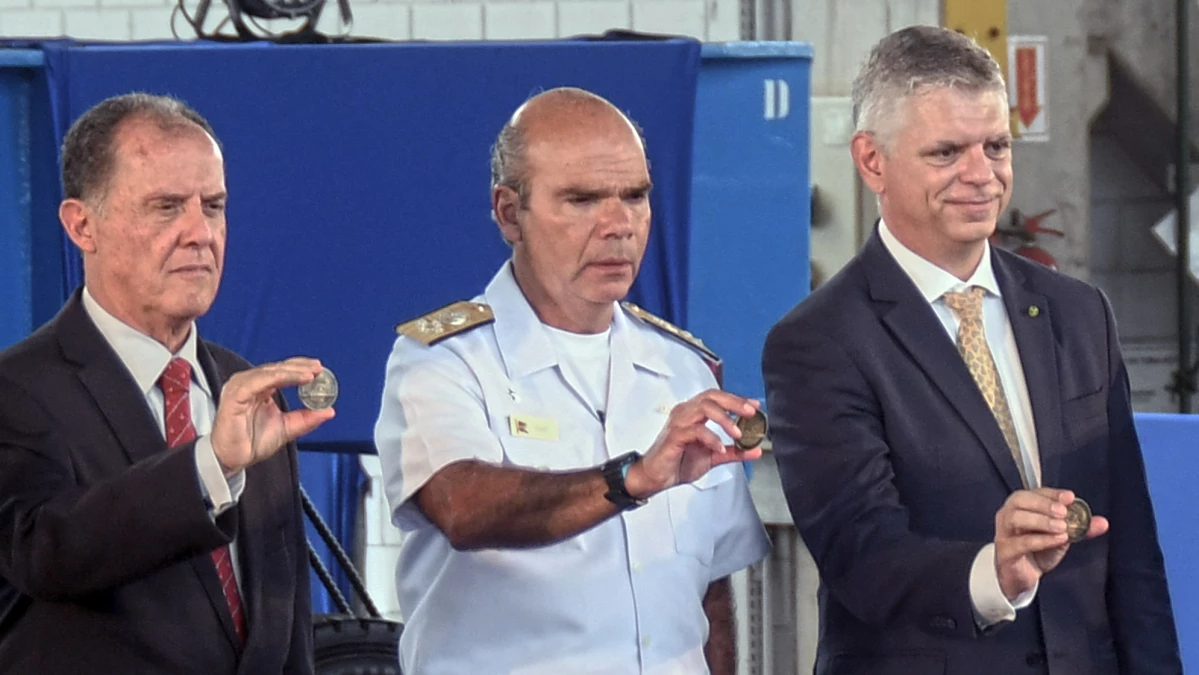
This box was placed, so the keel structure was on top, symbolizing the “beating”.
These special coins will be later returned to the endowed institutions, keeping alive a naval tradition that adapts to the new times.
For this great moment, Fleet Admiral Olsen, Commander of the Navy; Fleet Admiral Bettega, head of the Navy’s Directorate General of Material; Oliver Burkhart, CEO of TKMS; and Fernando Queiroz, CEO of Águas Azuis, pressed on a large digital screen their flattened hands, triggering the “keel-slapping” procedure.
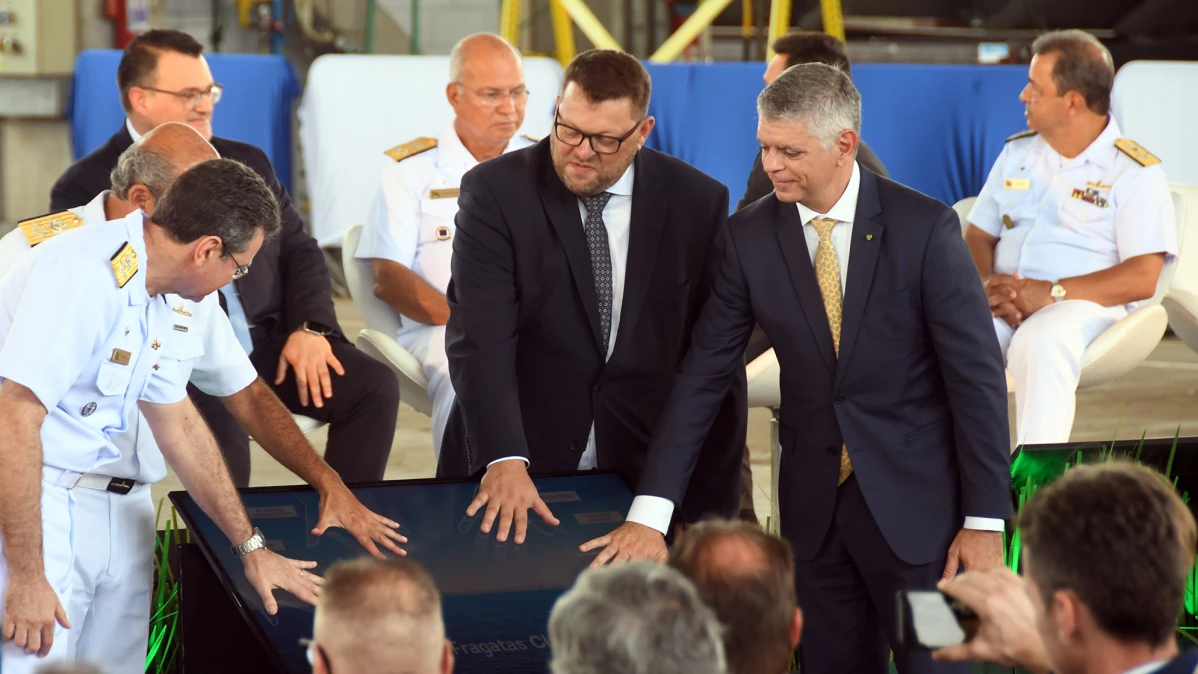
Bettega stressed the importance of this advance in the PFCT, so strategic for the Naval Force and the country’s sovereignty:
“We are witnessing the meeting of tradition with urgent technological modernity, resulting in the optimization of production and increased security of collaborators and information”.
Burkhard added:
“We will supply the Brazilian Navy with state-of-the-art frigates that combine the latest naval technology, innovation, and robust combat capability”.

BLOCK PRODUCTION
This modern construction model, which provides for production in blocks to be built later, offers several advantages over the old model.
Thus, it is possible to install accessories in advance, in addition to facilitating the placement of equipment on board and making it possible to work in several phases in a segregated manner in each unit.
The process also increases employee safety by keeping spaces open longer during construction. PFCT innovations extend across the entire production line.

CALENDAR
The schedule for the Tamandaré program is progressing according to plan and is currently 34% complete.
For the following stages, the construction of the block that forms the other engine room is planned, with the placement of equipment and engines in place.
Subsequently, the constructed blocks will complete the ship’s central structures.
Of the more than fifty structural units that make up the construction sequence of the first Tamandaré Class Frigate, about a quarter are in the process of structural assembly at thyssenkrupp Estaleiro Brasil Sul, and others are already cut and shaped, with panels and subassemblies completed.
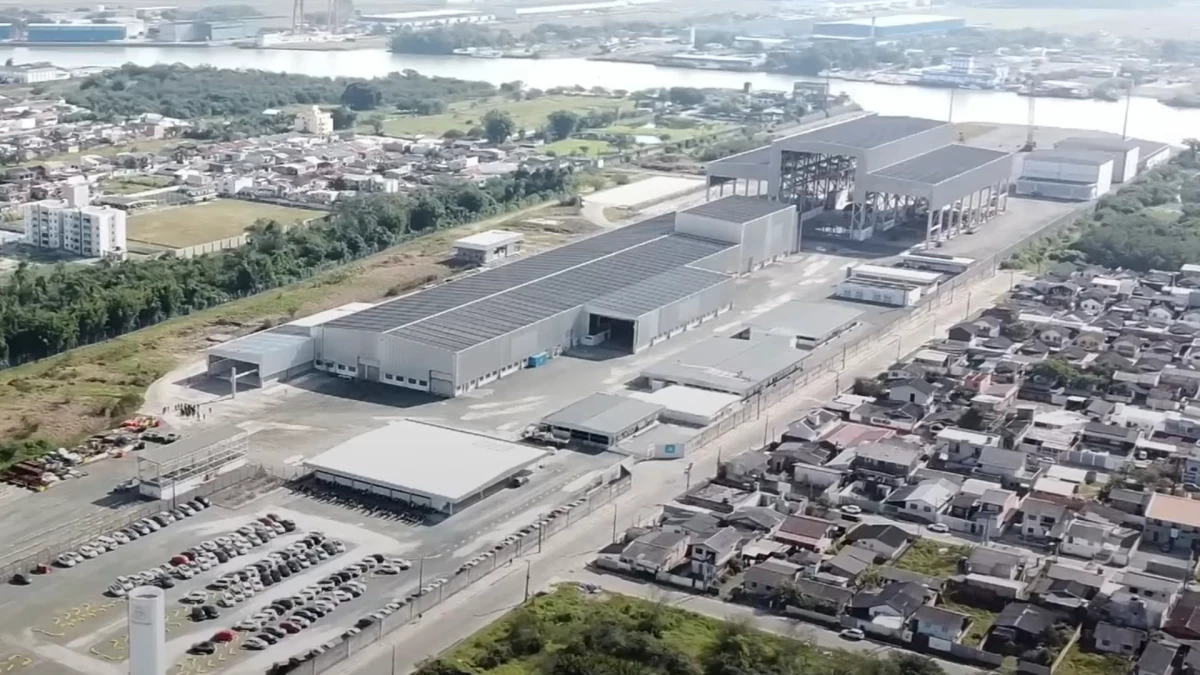
As for the qualification of the personnel who will be in charge of maintaining the ship’s systems, about 50% of the Systems Engineering and Integrated Logistic Support activities have already been completed.
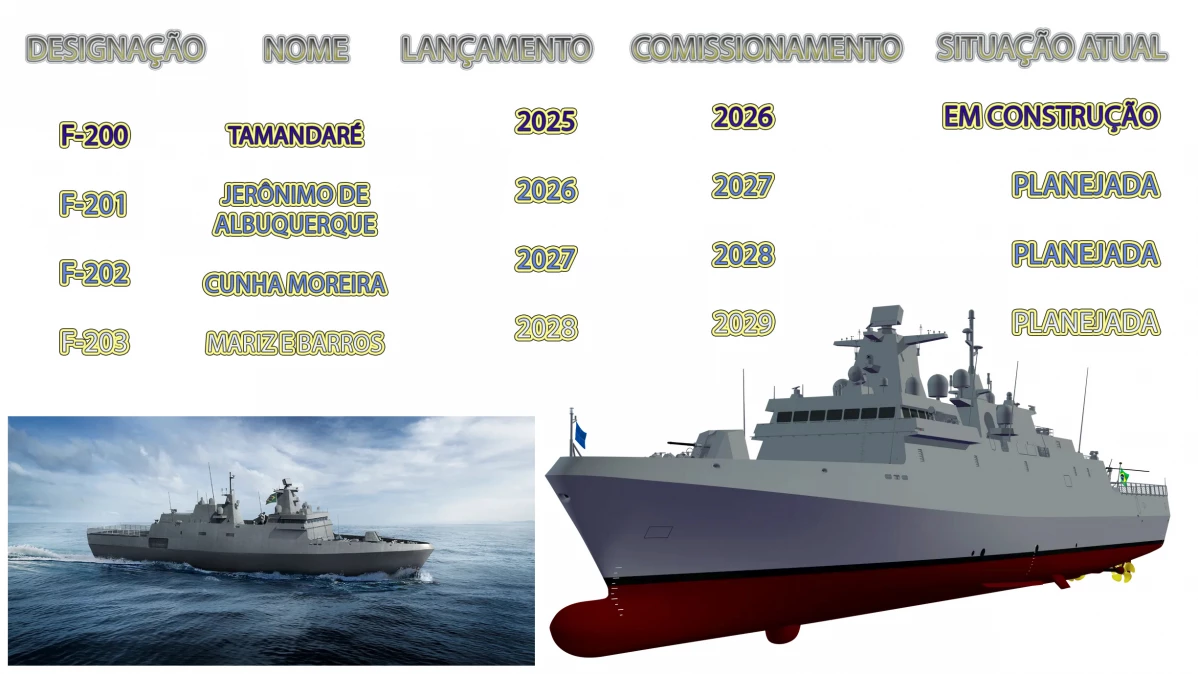
The Frigate Tamandaré is scheduled to be launched in mid-2024 and delivered to the Brazilian Navy by the end of 2025.
The cutting of the hull plating of the second Tamandaré Class Frigate is scheduled for the end of this year.
A NEW SHIP IN THE SOUTH ATLANTIC
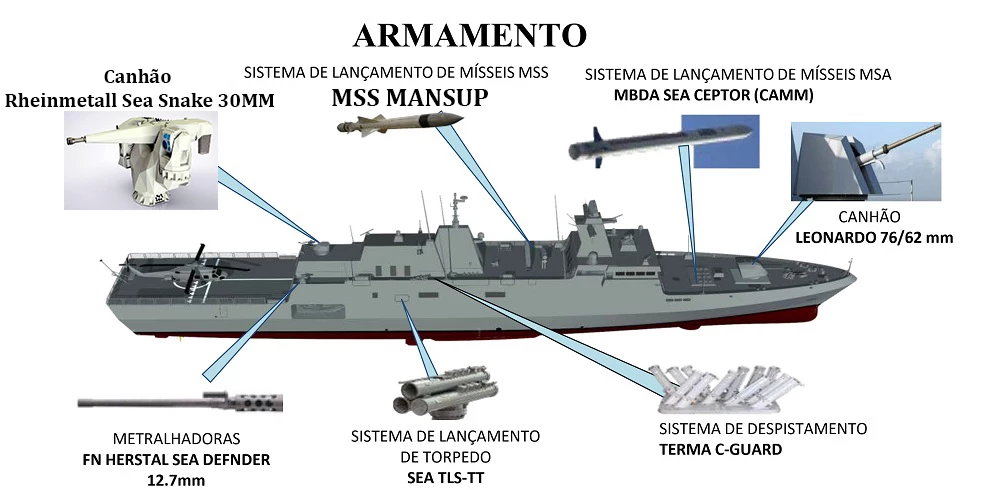
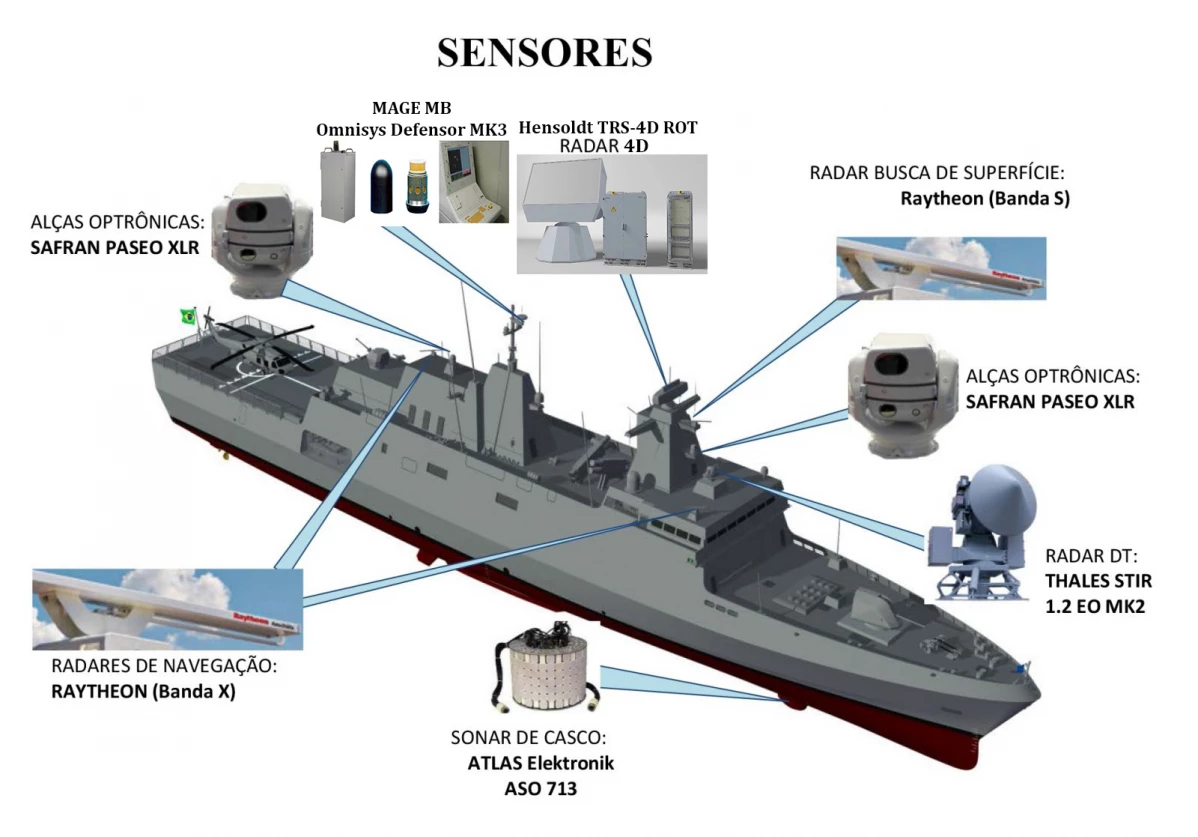
Conducted since 2017 by the Brazilian Navy, executed by Águas Azuis, and managed by Empresa Gestora de Projetos Navais (EMGEPRON), the Tamandaré Class Frigates Program is the most modern and innovative naval project developed in the country, foreseeing the construction, in national territory, of four warships of high technological complexity.
The ships should achieve the operational capacity to protect the Brazilian Jurisdictional Waters (AJB), generate technology transfer and perpetual license, and promote local industry and shipbuilding in the country.
The Brazilian Navy expects the program, as a whole, to generate around 2,000 direct jobs and 6,000 indirect jobs.
CHRONOLOGY
As a highlight of the stages already completed, on June 21, 2022, a prototype of the engine room section was completed, which will be used as an on-the-job training section for various processes related to shipping manufacturing.
On September 5, 2022, the first hull plate of the first Tamandaré class frigate was cut, considered the primary milestone of the beginning of the construction phase.
With information from Infodefensa
Read More from The Rio Times