Iquitos, Peru, stands as a remarkable city hidden in the lush Amazon rainforest.
This South American city, unique for its lack of road access, has carved a niche for itself in history and tourism.
Its location and past play key roles in its current identity.
Iquitos’ region is larger than countries like Germany and Japan, yet it contrasts sharply with the world’s biggest cities like Tokyo, as it can’t be reached by road.
This city’s legacy is tied to the rubber industry boom, which once made it one of the wealthiest places globally.
However, the industry’s decline brought economic challenges. Now, Iquitos is transforming itself into a hub for sustainable tourism.
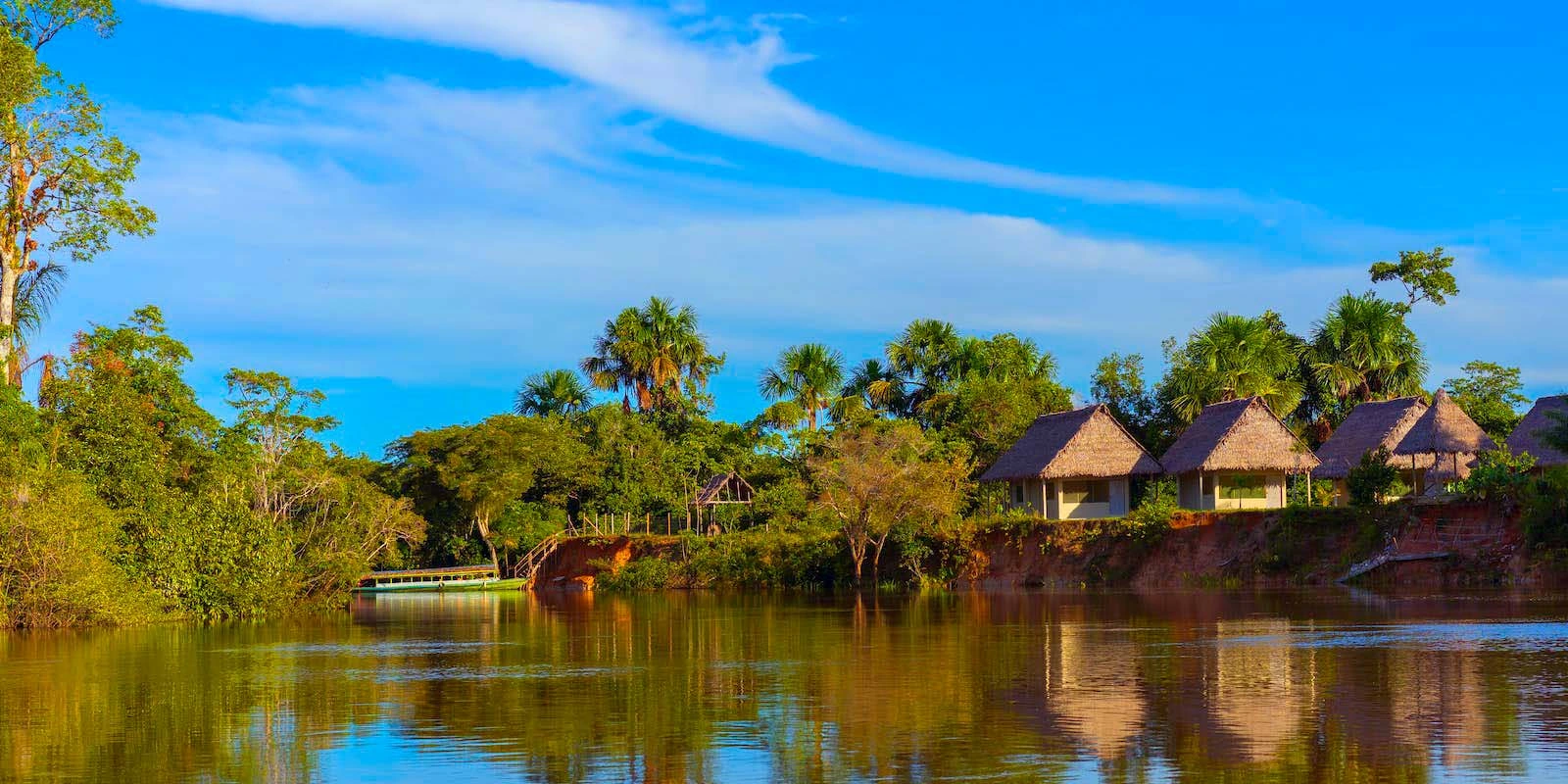
This focus on biodiversity and conservation is drawing tourists, despite the city’s inaccessibility by land.
In addition, Iquitos is not just any city; it’s the largest in the world without road access.
This distinction, along with its historical ties to the early 20th-century rubber boom, gives Iquitos a unique character.
Often referred to as the “Venice of the Amazon,” the city’s old maritime connections link it to Europe.
Access to this paradise is primarily through the air or the Amazon, Nanay, and Itaya rivers.
Apart from its location, Iquitos is renowned for its rich culture, diverse wildlife, and sustainable tourism.
The city actively tackles social challenges, including combating child sexual exploitation. Its commitment to social development and sustainability is evident.
Iquitos’ evolution in fashion and customs over the years reflects its rich history.
The Amazon River
Surprisingly, the world’s longest river is not the Nile but the Amazon in South America.
The Brazilian National Institute for Space Research confirmed in 2008 that the Amazon River is 140 kilometers longer than the Nile.
Spanning several countries, the Amazon is a testament to the region’s vast natural resources and significance.
In summary, Iquitos represents more than just a remote city; it’s a symbol of adaptation, cultural richness, and environmental consciousness.
Its unique location and history make it a significant destination in South America, offering insights into sustainable living and the preservation of natural wonders.
More: Peru news in English, every day from The Rio Times.
This article was produced by The Rio Times’ automated newsroom system. How we use AI · Report an error
Read More from The Rio Times