
Retail: Brazil
Tauste, a family-owned supermarket chain from the interior of São Paulo state, opened its first store in Brazil’s biggest city on Wednesday 18 November 2026. It is the chain’s 12th store, according to Exame, a Brazilian business magazine, and SuperVarejo, a Brazilian grocery-trade site, and it sits in Santana, a district in the north of São Paulo.
Exame says the chain earned R$3.5 billion (about US$600 million at R$5.86 per US dollar) last year. If last year means 2025, that would equal roughly 0.3% of the more than R$1.145 trillion (about US$195 billion) that Brazil’s supermarket sector took in during 2025, according to Mercado&Consumo, a Brazilian retail-trade outlet, reporting the ranking of the Brazilian Supermarket Association (Abras); the 0.3% is our own arithmetic.
Key Facts
- Who. Tauste, a family-run supermarket chain founded in Marília, São Paulo state, in 1991.
- What. Opened its 12th store and first in São Paulo city, in the Santana district.
- Size. 47,600 square metres built (about 512,000 sq ft), 51 checkouts, about 700 direct jobs.
- Revenue. R$3.5 billion (about US$600 million) last year; no investment figure for the store disclosed.
- Power Index Brazil ranks 1st of 14 in The Rio Times Latin America Power Index, with 74.2 points (November 2026 edition).
A self-funded family chain from the São Paulo countryside has opened its largest store in the country’s biggest city, betting on households rather than the bulk-buying shoppers that cash-and-carry stores chase.
How a 200-Square-Metre Shop Reached the Capital
Tauste was founded in 1991 in Marília, an inland city of São Paulo state, according to Exame and SuperVarejo. Exame says Jesus Montolar and his children Marcelo, Cláudia and Rogério opened a 200-square-metre store with three employees, and that the name comes from a Spanish town where the family’s ancestors lived.
Before Santana the chain had 11 stores in seven interior cities: Marília, Bauru, Sorocaba, Jundiaí, São José dos Campos, Campinas and Taubaté, according to SuperVarejo (9 June 2026). Exame adds that the new site reflects how hard it is to find plots in the capital that are large enough for the chain’s model.
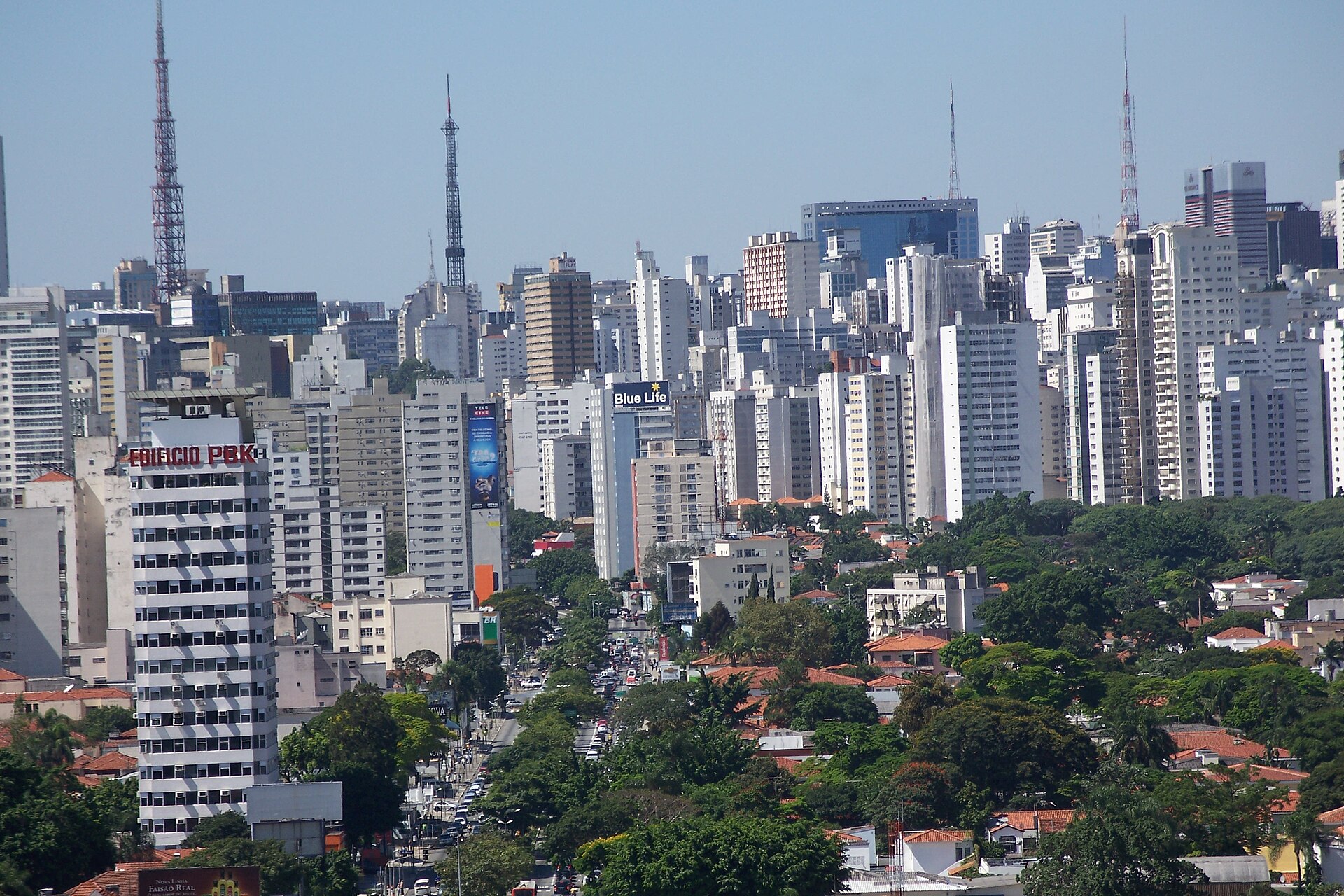
What the Santana Store Offers
The complex has about 5,500 square metres of sales floor inside 47,600 square metres of built area, plus 51 checkouts, says Exame. It also houses 29 support shops and seven restaurants, and tenants include Natura (a cosmetics maker), Kopenhagen (a chocolate chain) and Bob’s (a burger chain).
SuperVarejo reports about 700 direct jobs, and Exame adds more than 400 posts tied to tenants and supplier staff. Tauste expects 10,000 to 12,000 visitors a day and says 151,000 people live within 10 minutes of the store, according to Exame.
Why It Skips the Cash-and-Carry Boom
Atacarejo is Brazil’s cash-and-carry format: warehouse-style stores that sell big packs at near-wholesale prices to families and small traders alike. Exame says it has gained ground with low prices, but Tauste does not plan to follow it.
Guilherme Cunha, a Tauste executive, said in the Exame article that the chain wants “Dona Maria”, the ordinary shopper who comes for promotional cooking oil and milk, and not traders buying in bulk to resell. For him, arriving in São Paulo is “a golden dream and also the great fear” (translated from Portuguese).
Why It Matters for Brazil’s Grocery Market
The size gap shows what Tauste is up against, because Exame places it 32nd among Brazil’s supermarket groups. The 2026 Abras ranking, reported by Mercado&Consumo (28 April 2026), puts Carrefour Brasil, the local arm of the French retailer, first at R$123.5 billion (about US$21 billion) and Assaí, a cash-and-carry chain, second at R$84.7 billion (about US$14 billion) for 2025.
Growth is slow by design, because Cunha said the chain opens stores only “when we have cash on hand” (translated from Portuguese). Exame says the family uses no bank loans or outside investors and turns down offers for a stake, which slows expansion but reduces dependence on credit.
Next in line are São Bernardo do Campo, an industrial city next to the capital where a store is under construction, and Santo Amaro, a district in the south of the capital where one is in the project phase, says Exame. For context on a market in motion, see our reports on Carrefour’s sale of 21 Brazilian supermarkets, the Chilean retailer Cencosud’s purchase of a São Paulo grocer and Brazil’s September retail sales, all part of our Brazil coverage.
What Is Not Known
Tauste did not disclose how much it invested in the Santana store, according to Exame, and no opening-day sales figures are public. The two outlets also differ on parking, with Exame counting 694 car spaces and SuperVarejo 662, so we use neither number.
Exame gives the R$3.5 billion revenue as “last year” without naming the year or an audited source. No dates were given for the São Bernardo do Campo or Santo Amaro stores.
What It Means for You
Exame says the family keeps control and turns down offers for a stake, so the chain is not an easy route for investors abroad. Suppliers matter more: its distribution centre near Sorocaba lets it buy directly from manufacturers, according to Exame.
Visitors and expats nearby find a bakery and a butcher counter under one roof, with free covered parking, according to SuperVarejo. Cunha says rivals do not deter the chain: “we settle in the middle of the eye of the hurricane”, he said, according to Exame (translated from Portuguese).
Frequently Asked Questions
What is Tauste?
Tauste is a family-owned Brazilian supermarket chain founded in 1991 in Marília, São Paulo state. Before Santana it had 11 stores in seven interior cities, according to SuperVarejo.
Where is the new store?
It is in Santana, a district in the north of São Paulo city. Exame calls it the chain’s first store in the capital and its largest, with 47,600 square metres of built area.
How much does Tauste earn?
Exame says the chain earned R$3.5 billion last year, about US$600 million at R$5.86 per US dollar on 18 November 2026. The article does not name the year or an audited source.
Is Tauste a cash-and-carry store?
No. Exame says Tauste does not intend to follow the cash-and-carry (atacarejo) format and wants household shoppers instead of traders who buy in bulk to resell.
Sources: Exame (Brazilian business magazine), 18 November 2026; SuperVarejo (Brazilian grocery-trade site), 18 November and 9 June 2026; Mercado&Consumo (Brazilian retail-trade outlet) on the Abras ranking, 28 April 2026; Brazilian Supermarket Association (Abras) ranking 2026 as reported by those outlets.
This article was produced by The Rio Times’ automated AI newsroom. Editorial responsibility: Matthias Camenzind, Publisher and Editor-in-Chief. The Rio Times also runs Ask Rio Times, which answers from 100,000+ of our own articles, the daily Latin America Power Map, and prediction-market odds on elections and markets.. How we use AI · Report an error
Living in or visiting São Paulo? See this month's events and our São Paulo city guide with rents, safety and upcoming concerts.
Brazil runoff, Sunday, October 25: Brazil runoff date. Latest: Brazil runoff polls, Flávio 51%, Lula 49%.