IBOV 187,131.51 ▲ 0.88% IPSA 11,271.12 ▼ 0.63% IPC MEX 64,216.98 ▲ 0.46% MERVAL 3,082,333 ▼ 0.07% COLCAP 2,579.41 ▼ 0.34% BVL PERÚ 58,641.32 ▲ 0.83% USD/BRL5.15▼ 0.10% USD/MXN17.14▲ 0.04% USD/CLP953.29▼ 0.40% USD/COP3,096▲ 0.14% USD/PEN3.37▲ 0.39% USD/ARS1,507▼ 0.08% USD/UYU40.22▲ 3.15% USD/PYG5,950▲ 3.78% USD/BOB10.92▼ 9.64% USD/DOP58.60▲ 2.80% USD/CRC444.45▲ 1.90% USD/GTQ7.62▲ 3.09% USD/HNL26.85▲ 3.31% USD/NIO36.62▲ 2.77% USD/VES840.10▼ 0.13% USD/PAB1.00— 0.00% USD/BZD2.00— 0.00% USD/JMD 157.28 — 0.00% USD/TTD6.71▲ 2.05% EUR/BRL5.94▲ 0.25% BRENT 88.88 ▼ 0.03% WTI 83.11 ▼ 0.11% IRON ORE 161.91 — — COPPER 6.61 ▲ 0.03% GOLD 4,461 ▲ 1.78% SILVER 65.59 ▲ 1.26% SOY 1,184 ▲ 3.20% CORN 480.50 ▲ 10.02% WHEAT 655.00 ▲ 3.93% COFFEE 317.25 ▼ 5.51% SUGAR 16.43 ▼ 1.79% ORANGE JUICE 138.55 ▼ 0.47% COTTON 85.03 ▲ 2.33% COCOA 5,719 ▲ 3.18% BEEF 223.60 ▼ 3.93% CATTLE 339.10 ▼ 3.16% LITHIUM 75.20 ▲ 1.47% PETR4 41.64 ▼ 0.05% VALE3 72.97 ▲ 0.83% ITUB4 38.60 ▼ 1.03% BBDC4 16.85 ▲ 0.36% ABEV3 14.89 ▼ 0.80% BBAS3 19.37 ▲ 0.47% B3SA3 14.26 ▼ 0.21% WEGE3 47.59 ▲ 0.49% PRIO3 59.14 ▼ 0.19% SUZB3 41.33 ▲ 2.35% RENT3 34.68 ▼ 0.09% AZZA3 15.89 ▼ 2.63% CSAN3 3.22 ▼ 1.83% RAIZ4 0.25 — 0.00% PCAR3 2.75 ▼ 0.36% GMAT3 3.65 ▼ 1.08% PSSA3 48.13 ▼ 0.54% CVCB3 1.33 ▼ 2.92% POSI3 3.36 ▲ 2.44% SLCE3 13.34 ▲ 0.30% NATU3 8.14 ▼ 0.73% IBOV 187,131.51 ▲ 0.88% IPSA 11,271.12 ▼ 0.63% IPC MEX 64,216.98 ▲ 0.46% MERVAL 3,082,333 ▼ 0.07% COLCAP 2,579.41 ▼ 0.34% BVL PERÚ 58,641.32 ▲ 0.83% USD/BRL 5.16 ▲ 0.01% USD/MXN 17.06 ▼ 0.24% USD/CLP 913.98 ▲ 0.04% USD/COP 3,140 ▲ 0.03% USD/PEN 3.36 ▼ 0.66% USD/ARS 1,493 ▲ 0.10% USD/UYU 40.27 ▲ 1.24% USD/PYG 5,939 ▲ 1.68% USD/BOB 11.64 ▼ 0.76% USD/DOP 58.34 ▲ 1.25% USD/CRC 445.92 ▲ 0.89% USD/GTQ 7.62 ▲ 2.21% USD/HNL 26.79 ▲ 1.57% USD/NIO 36.62 ▲ 0.69% USD/VES 762.44 ▼ 0.13% USD/PAB 1.00 — 0.00% USD/BZD 2.00 — 0.00% USD/JMD 157.28 — 0.00% USD/TTD 6.70 ▲ 0.61% EUR/BRL 5.95 ▲ 1.01% BRENT 88.88 ▼ 0.03% WTI 83.11 ▼ 0.11% IRON ORE 161.91 — — COPPER 6.61 ▲ 0.03% GOLD 4,461 ▲ 1.78% SILVER 65.59 ▲ 1.26% SOY 1,184 ▲ 3.20% CORN 480.50 ▲ 10.02% WHEAT 655.00 ▲ 3.93% COFFEE 317.25 ▼ 5.51% SUGAR 16.43 ▼ 1.79% ORANGE JUICE 138.55 ▼ 0.47% COTTON 85.03 ▲ 2.33% COCOA 5,719 ▲ 3.18% BEEF 223.60 ▼ 3.93% CATTLE 339.10 ▼ 3.16% LITHIUM 75.20 ▲ 1.47% PETR4 41.64 ▼ 0.05% VALE3 72.97 ▲ 0.83% ITUB4 38.60 ▼ 1.03% BBDC4 16.85 ▲ 0.36% ABEV3 14.89 ▼ 0.80% BBAS3 19.37 ▲ 0.47% B3SA3 14.26 ▼ 0.21% WEGE3 47.59 ▲ 0.49% PRIO3 59.14 ▼ 0.19% SUZB3 41.33 ▲ 2.35% RENT3 34.68 ▼ 0.09% AZZA3 15.89 ▼ 2.63% CSAN3 3.22 ▼ 1.83% RAIZ4 0.25 — 0.00% PCAR3 2.75 ▼ 0.36% GMAT3 3.65 ▼ 1.08% PSSA3 48.13 ▼ 0.54% CVCB3 1.33 ▼ 2.92% POSI3 3.36 ▲ 2.44% SLCE3 13.34 ▲ 0.30% NATU3 8.14 ▼ 0.73%
since 2009
Tuesday, September 15, 2026

Tackling the Tide: Southeast Asia’s Battle Against Plastic Waste

By · April 22, 2024 · 2 min read

The LatAm Brief

One email, every weekday morning. What moved in Latin American markets, politics and expat life.

Yesterday’s subject line: “Milei skipped his own budget”

Free. We send a confirmation link first — nothing arrives until you click it. Unsubscribe with one click in any edition. If you stop opening us for 30 days we stop sending by ourselves, as we assume the interest is no longer there. See our privacy policy. We never share your email.

In the heart of Southeast Asia, from the bustling streets of Jakarta to the serene waters of the Irrawaddy, a crisis unfolds.

This vibrant and diverse region now faces a daunting challenge as an influx of imported plastic waste exacerbates its already critical waste management issues.

This narrative began to intensify in 2018 when China, previously the world’s largest importer of plastic waste, ceased its acceptance.

Additionally, this action redirected the flood of refuse toward its neighboring countries.

Local communities, once proud stewards of their coastal havens, now find themselves unfairly accused of causing this blight.
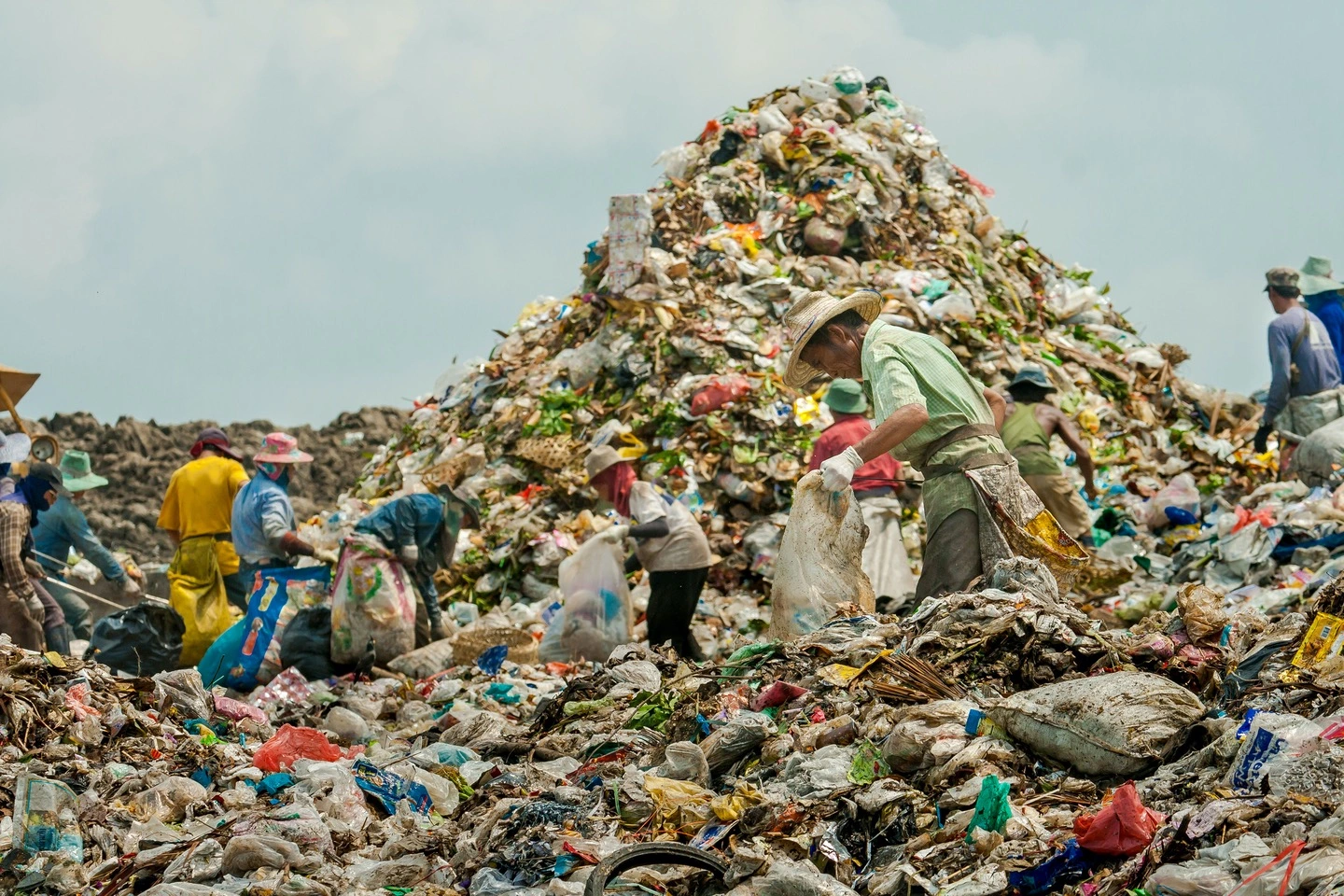
Tackling the Tide: Southeast Asia's Battle Against Plastic Waste
Tackling the Tide: Southeast Asia’s Battle Against Plastic Waste.
One-stop reference
Company Intelligence
Every listed company in Latin America — financials, ownership and structure for 1,450+ companies across 26 exchanges, in one place.
Browse the directory →
RT
Ask Rio Times
17 years of Latin America reporting, on demand.
Open the full Ask Rio Times →

Despite hosting less than 9% of the global populace, ASEAN nations have become the destination for 17% of the world’s plastic waste imports between 2017 and 2021.

A sharp surge in these imports, particularly between 2016 and 2018, saw the region receive 2.26 million metric tons of waste, much of it illicitly shipped.

This influx has turned Southeast Asia into one of the primary contributors to oceanic plastic pollution.

The six ASEAN countries—the Philippines, Malaysia, Indonesia, Myanmar, Vietnam, and Thailand—have emerged as major players in this environmental saga.

Collectively, they contribute over half of the global oceanic plastic waste, with the Philippines alone accounting for a staggering third of this total.

These figures, stark and alarming, underline the gravity of the situation.

Recycling, once hailed as the panacea for plastic waste, has fallen short of its promise.

Promoted as a sustainable circular economy practice, it often results in the waste merely being relocated and not genuinely processed.

Southeast Asia’s Plastic Waste Crisis

Masood Karimipour from the UN Office on Drugs and Crime describes the plastic waste trade as highly profitable and low-risk. This highlights its appeal to unscrupulous operators.

As awareness grows, Southeast Asian nations are tightening their policies. Plans are afoot in Thailand and Vietnam to emulate China’s ban on plastic waste imports by the end of 2025.

Yet, despite these legislative strides, the effectiveness of these bans is continually undermined.

Persistent political turmoil in places like Myanmar makes environmental enforcement challenging.

This ongoing crisis demands more than national efforts; it calls for robust regional cooperation and stringent international regulations.

As Southeast Asia faces imported ecological burdens, nations must collectively act and enforce global agreements more strictly.

Only through unified efforts can the region hope to reclaim its natural beauty and ensure a sustainable future for the next generation.

This article was produced by The Rio Times’ automated newsroom system. How we use AI · Report an error

Read More from The Rio Times

The Rio Times · Power Map
See who really holds power in Latin America
Click to open the Power Map

Rotate for Best Experience

This report is optimized for landscape viewing. Rotate your phone for the full experience.