Suriname Power Cuts: Simons Pledges Shift From Heavy Oil to Gas and Solar
SURINAME · ENERGY
Key Facts
- —What happened In her annual address on 30 September 2026, President Jennifer Simons promised investment to end load-shedding, the planned rotating power cuts.
- —The plan The government wants electricity to move from heavy fuel oil to natural gas and solar power, under a newly approved Electricity Sector Plan.
- —The shortfall Peak demand on the main grid is about 280 MW against about 254 MW available, Natural Resources Minister David Abiamofo said on 2 September (Starnieuws).
- —Near-term help Staatsolie, the state oil company, plans two generators totalling 34 MW for about US$54 million, it told the president on 17 September (government).
- —Still open The speech gave no date, cost or capacity for new gas or solar plants.
Suriname power cuts have hit the capital region since late August, and the president now promises a wider energy mix.
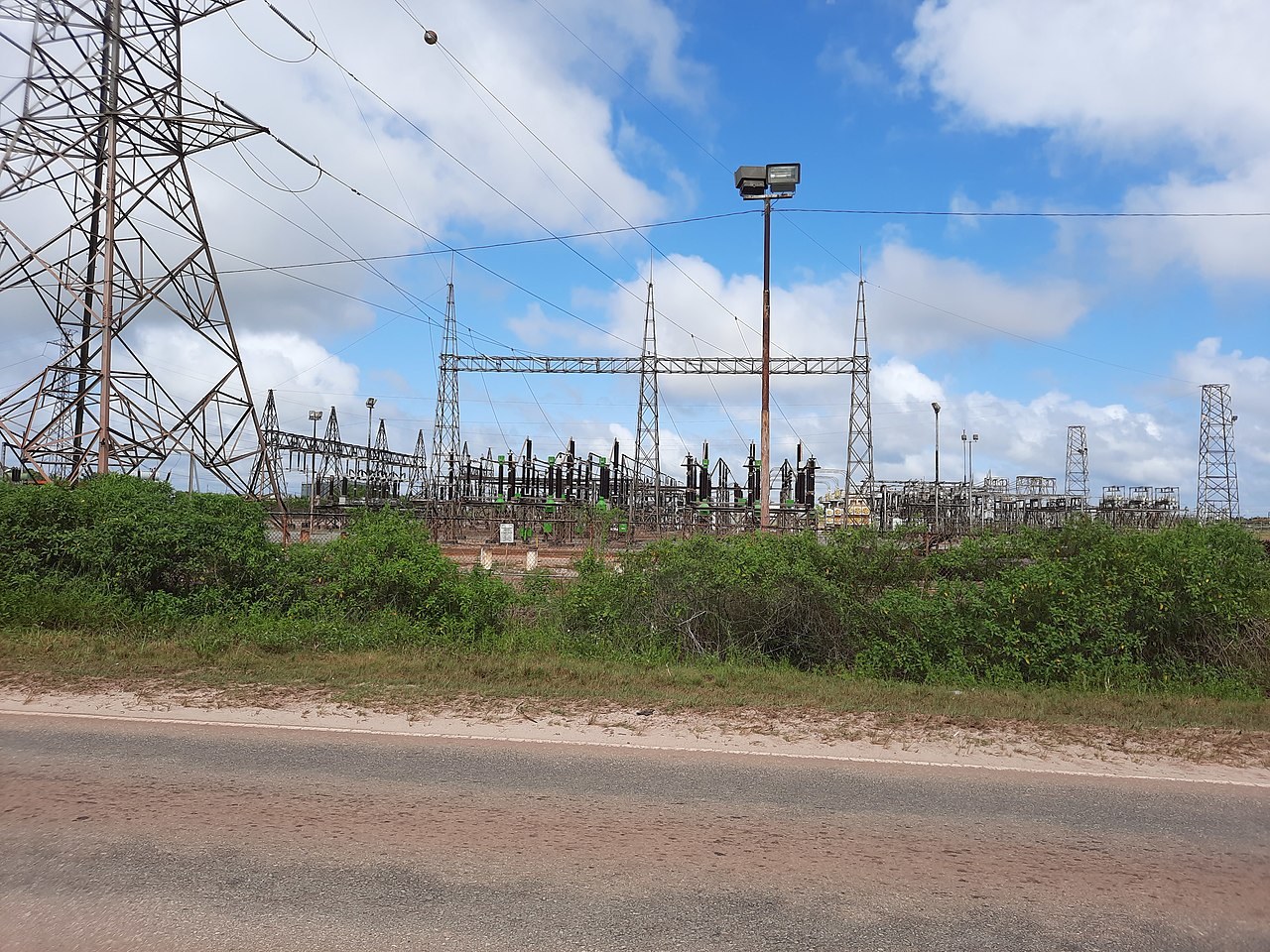
Suriname’s President Jennifer Simons promised on 30 September 2026 to invest in the power sector until load-shedding, the rotating planned blackouts, ends. Her government wants to move electricity generation away from heavy fuel oil and toward natural gas and solar power.
What Simons Promised
Simons made the pledge in her annual address to the National Assembly, Suriname’s parliament, delivered with the draft budget for 2027. Our report on the speech covered its budget and debt figures.
Suriname is a Dutch-speaking country of about 600,000 people on South America’s north coast. The energy passage was short, and it set a direction rather than a timetable.
“Loadshedding” must become a thing of the past, the president said, according to the government’s own summary. Investment would also prepare the grid for higher demand in the years ahead.
She said the past year brought three new solar power plants, better distribution networks and pilot projects for small hydropower systems. The Energy Authority Suriname (EAS), the sector regulator, prepared an Electricity Sector Plan that the government recently approved.
Why the Lights Keep Going Out
The state utility, N.V. Energiebedrijven Suriname (EBS), began rotating power cuts on 25 August. It said each cut would last at least three hours, GFC Nieuws reported.
The cuts cover the main grid around the capital, Paramaribo, and the districts of Para, Wanica, Commewijne and Saramacca. EBS said it had no reserve capacity left and urged customers to save power.
On 2 September Natural Resources Minister David Abiamofo put peak demand at about 280 megawatts (MW) against about 254 MW available. He said demand had grown 10% compared with 2025, Starnieuws reported.
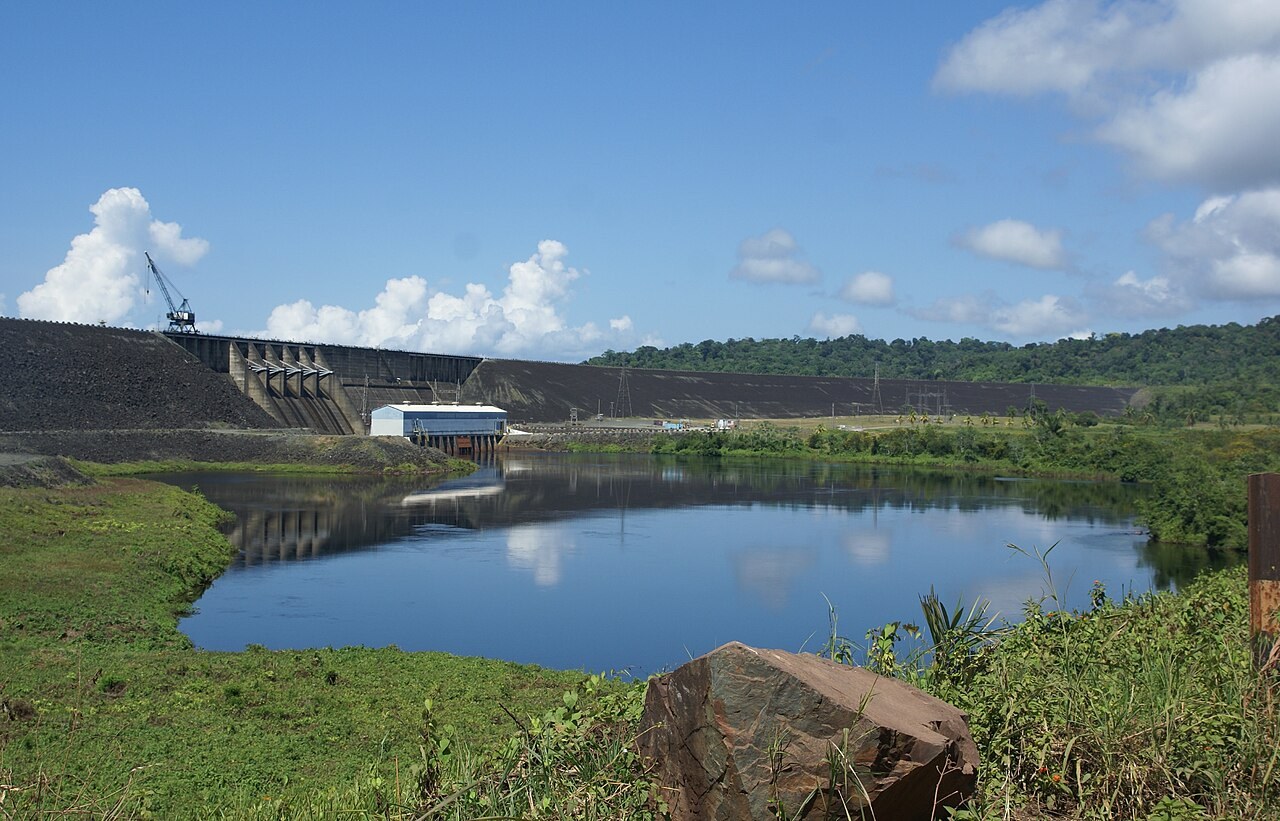
The minister blamed a lack of generating capacity, not fuel costs. The dry season adds to demand for air conditioning and lowers water levels for hydropower, he said.
A Bridge Before the Gas Arrives
The minister said the sector needs about US$500 million over two to three years. The state-owned utilities cannot finance investments of that size on their own, he added.
EBS would soon open a solar tender, and Staatsolie, the state oil company, is working on solar and extra thermal capacity. Neither offers an immediate fix, the minister said.
Staatsolie moved first on generators. Its director, Annand Jagesar, told Simons on 17 September that it wants two machines totalling 34 MW, at about US$54 million.
Delivery times for such machines are getting longer on the world market, he said, so Staatsolie wants to secure them early. No delivery date was given.
Oil in 2028, Gas Around 2030
The speech did not say where the gas for power plants would come from. Staatsolie is developing offshore Block 52 with Petronas, the Malaysian state energy company.
It aims to produce the first gas around 2030, Jagesar told the president, though a final investment decision is still pending. The GranMorgu offshore oil project remains on track for first oil in 2028, he said.
A government energy round table in June agreed to use expected gas from 2030 for cheaper electricity. In the short term it told EBS to tender for more generating capacity.
Oil and gas may bring the money for new plants, but they also bring new demand. Staatsolie and EBS are discussing how to supply the offshore industry as it grows.
Power and Water Beyond the Capital
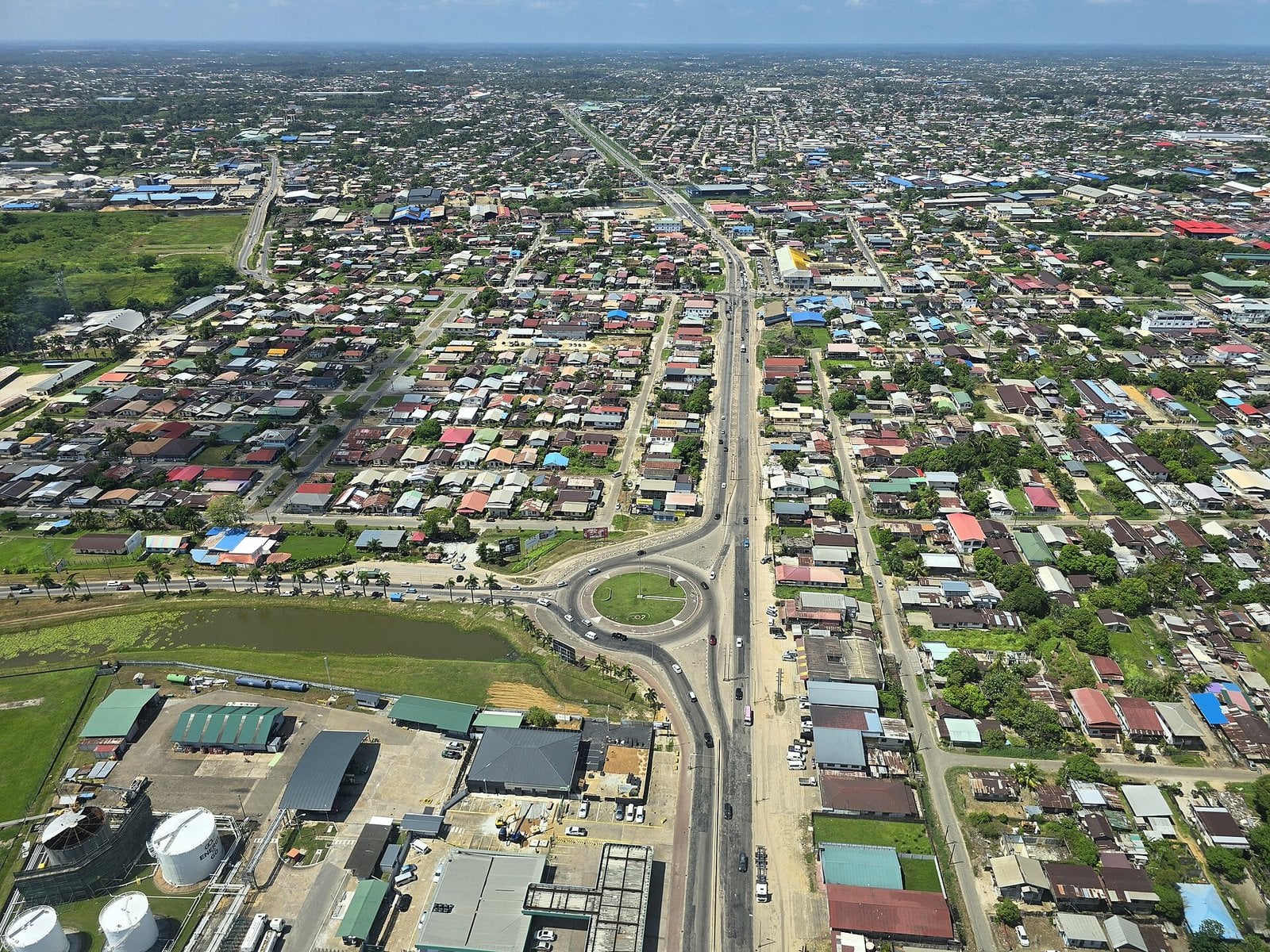
Simons also promised to reach places the main grid never served. The BIO SWEET project, starting in mid-2027, is to bring electricity and drinking water to 26 communities.
The grid will also be extended to eastern Suriname, she said. The government’s stated goal is “Energy for All by 2030”.
Water gets similar targets. By 2034, drinking-water coverage is to rise from 35% to 95% in Commewijne. In Sipaliwini, the vast interior district, it is to rise from 8% to 50%.
What It Means for Residents and Businesses
For now, households and firms in the capital region still plan around the cuts. The Suriname Business Association (VSB) asked EBS on 19 September for more predictable schedules, GFC Nieuws reported.
EBS told the business group that it cuts whole feeder lines, so homes and shops in one area go dark together. Firms discussed backup generators and solar panels with batteries.
Small businesses and tourism operators said such investments are hard to afford. On 26 September parts of northern Paramaribo again lost power for hours, GFC Nieuws reported.
The direction is clear, but the timing is not. The next markers are the EBS solar tender, the Staatsolie generators and a gas investment decision for Block 52.
More: Suriname news, every day from The Rio Times.
Frequently Asked Questions
Why does Suriname have power cuts in 2026?
Demand on the main grid has outgrown generating capacity, and there is no reserve. In early September the government put peak demand at about 280 MW against about 254 MW available.
What did President Simons promise on energy?
On 30 September 2026 she promised investment to end load-shedding and to shift electricity from heavy fuel oil to gas and solar. She gave no date or cost for the new plants.
When could gas-fired power arrive?
Staatsolie aims to produce first gas from offshore Block 52 around 2030, subject to a final investment decision. A June government round table planned to use that gas for cheaper electricity.
Sources: Starnieuws · Starnieuws · GFC Nieuws · GFC Nieuws · GFC Nieuws · Government of Suriname · Government of Suriname · Government of Suriname
Read More from The Rio Times